Down Under

It’s easy to think the perfect investor pitch exists.

The inspired business idea, sharp slide deck design, magical lines within a concise pitch, and formulas to make everything click. Study fundraising all you want, but the art form can be seen when understanding adds space for storytelling that shows instincts.

EXTRA SHOT

This contribution was written by Saba Karim. This Australian technologist is a perpetual builder who has heard more business pitches than anyone you know.

During my time at Techstars, we listened to hundreds of founder pitches. Different industries, backgrounds, and levels of experience. On paper, many of the companies looked nearly identical. Similar markets, similar traction, similar slides. Yet the outcomes were rarely the same. Some conversations created momentum immediately. Others stalled, even when the numbers looked better.

The difference was almost never the product. It lived in the story. The strongest founders were not reciting information. They were explaining how they saw the world. Their judgment was heard in the way they framed problems and talked through decisions. Their pitch was not something memorized. It was something the founder(s) understood. That distinction matters, because investors are not betting on slides. They are betting on decision makers. A deck can show intelligence. A story reveals instinct.

Many founders treat pitching like a checklist. Hit these slides. Answer these questions. Say the right words. But when either side approaches an early interaction that way, the conversation usually falls flat. No deck is ever complete enough to replace connection.

When founders realize alignment matters more than perfection, the dynamic changes. The meeting stops feeling like a performance and starts feeling like a conversation. That shift alone creates momentum.

Momentum is not mysterious. It is human. Founders who walk into meetings with clarity tend to leave with more doors open. Not because everything is perfect, but because belief compounds quickly. You can feel when someone has their right foot forward. 

They are not rushing.
They are not over-explaining.
They speak in present tense.
This is what exists today.
This is what we’ve learned.
This is what we are doing next.

Reality builds more trust than ambition ever will.

Another common mistake is trying to sell the product instead of the opportunity. Features matter, but they rarely carry the conversation. What resonates is why the problem matters, why the timing makes sense, and why this founder cannot walk away from it.

The best meetings barely felt like pitches at all. They are calm, low pressure conversations. Sometimes there was a deck. Sometimes there was just a demo. The tone shifted from here is what I want to build to here is what I have already built. That shift changes everything.

As founders, we tend to overthink the wrong details. Being slightly late. A noisy background. A moment of nerves. Those things rarely matter. What does matter is presence. Listening instead of talking. Answering the question that was asked. Slowing down enough to think clearly.

Extra Shot

Confidence is not volume. It is calm.

Over time, storytelling stops being a fundraising skill and becomes a life skill. Entrepreneurship demands it constantly. With investors, teammates, customers, and yourself. Every difficult decision needs a narrative strong enough to carry uncertainty.

Early on, those stories are mostly aspiration. Later, experience reshapes them. Obsession sharpens them. Failure humbles them. You stop trying to sound impressive and start trying to sound honest.

Eventually, you care less about winning every room and more about finding rooms where you belong. Fundraising becomes relational. You are no longer trying to convince someone to believe in you. You are discovering whether you already believe the same things.

People do not want to feel processed, optimized, or pitched. Success, whether in business or in life, is rarely about winning someone over. It is about how people feel when they leave your presence. The energy you bring into a room. The care you show when no outcome is attached.

In the end, the perfect pitch never existed. What existed was clarity, presence, and the courage to speak from experience instead of expectation. There is no finish line. Only better questions, deeper alignment, and the quiet understanding that the best relationships are all built the same. With intention, kindness, and a genuine desire to be remembered for how you made people feel.

By Ben McDougal, ago

Paving Paths

Eric Engelmann builds stuff. Let’s cheers to this leader’s early entrepreneurial experiences and the origins of so many projects (see bonus materials) that have paved different paths for fellow founders. We also discuss when teams need to raise financial capital and how to manage a board of advisors, then explore leveraging large clients, finding co-founders in a startup community, and being honest with the end game in mind.

After the break, we hear how Eric wants to be remembered and riff on if everyone has an entrepreneurial spirit. We celebrate co-founders in life, articulate venture studios, deal flow as an investor, the importance of computer science in education, and avoiding burnout within the long-term realm of evolving entrepreneurial ecosystems.

LISTEN on APPLE PODCASTS
LISTEN on SPOTIFY

BONUS MATERIALS

https://x.com/ericengelmann

https://geonetric.com

https://newbo.co

https://isaventures.com

https://novyventures.com

http://Paving-Paths.YouDontNeedThisPodcast.com

Roasted Reflections Break: Pain Relievers vs. Vitamins

https://entrefest.com

EP9 – Future of Work 🎙️ Nancy Mwirotsi

EP17 – Schoolhouse Rock 🎙️🎞️ Anika Yadav

EP30 – Exit Ramps 🎙️ Brian Crotty

EP77 – Problem Solving – Gerald Beranek

http://YouDontNeedThisPodcast.com

http://BENBOT.ai

By Ben McDougal, ago

Borderless

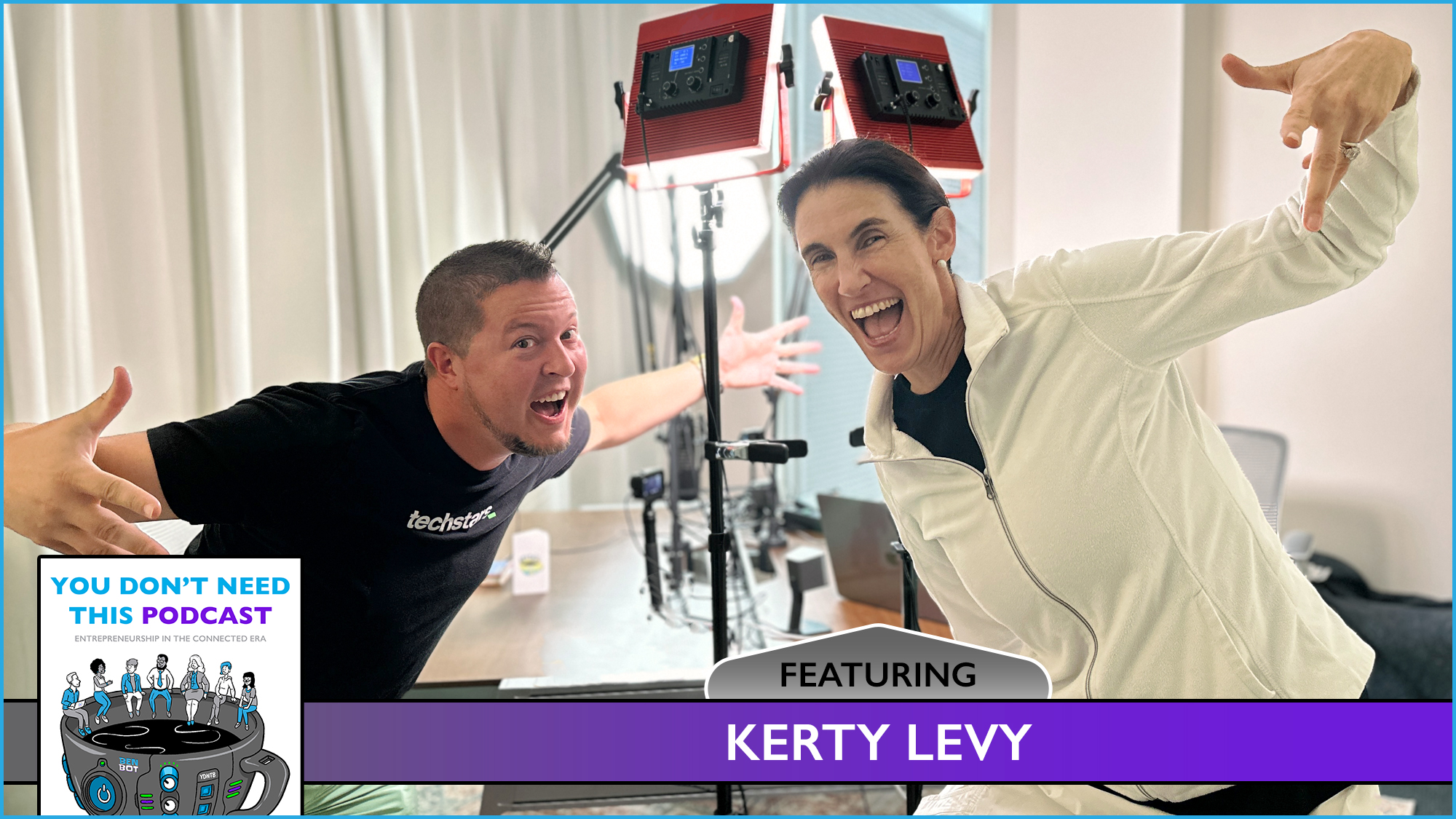
Kerty Levy is an advisor, investor, and friend who helps entrepreneurs succeed. Kerty and Ben collaborated through Techstars, so we grab the morning oars to first dance with how smooth is fast.

Together, we then glide through the wild experience of accelerators. The value is vast as we continue by discussing why to think big, building a team, ecosystem exploration, founder-market fit, OKRs, KPIs, financial modeling, mentor madness with a #GiveFirst mindset, raising venture capital, perfecting a pitch, quick thoughts on web3, opportunities of a Startup Weekend, and the special bond that is Techstars for life.

YDNTP on APPLE PODCASTS
YDNTP on SPOTIFY

By Ben McDougal, ago

Head Start

The entrepreneurial lifestyle resists definition.

Business owners paint with strokes of curiosity, determination, and innovation. When people build with creative ambition, experience is valuable, but the symphony of desire and attitude plays an equally important role. It takes heart to start and resilience to keep building. Executing early moves, managing focus, collecting feedback, building a team, and maintaining sales is such an art form.

The best part about an entrepreneurial lifestyle is that it’s accessible to everyone. This can be seen as students explore projects that look like work to others, but feel like play to them. It’s intrapreneurs fueling positive change in existing companies. It’s startup founders achieving product-market fit with new ideas and others who build on existing momentum by acquiring an established business.

Extra Shot

This caffeinated contribution was written by Sheldon Ohringer. Sheldon has led large sales teams, is an active investor, a board member, and is now building Cocoon Growth to help others buy their first business.

Starting a business is one way to explore the entrepreneurial lifestyle, but buying an existing business is also an interesting way to write your own story. While there may be a cost for the head start, acquiring an existing business presents an interesting side door to the entrepreneurial lifestyle.

As you consider a business to buy, avoid future headaches by understanding industry requirements such as licenses, permits, zoning, and environmental requirements. As you work with existing ownership to determine a purchase price, a valuation based on capitalized earnings, excess earnings, cash flow, and tangible assets are all methods to guide fair negotiations. In the end, the right price is one that delights the seller and has the buyer excited.

As details come together, partner with legal and accounting experts who focus on mergers and acquisitions to document the transaction. A letter of intent, confidentiality agreement, contracts, leasing documents, financial statements, tax returns, and sales agreements are all important documents to talk with your M&A team about. Many transactions include a vesting schedule as well, so stay in-tune with these details to avoid unwanted surprises.

There are a variety of strategic ways to acquire a business, but once the transition takes place, new owners are given keys to a kingdom that hails an established team, customer base, and operating procedures. As we see in the Exit section of the Results chapter in YDNTB, there will be challenges during these transitory times, but in the end, virtuous leaders listen to keep the culture balanced. All the good that comes with a business is important to maintain, but an honest audit of negative aspects are important too. Intentional candor with areas to improve allows new owners to build on past success, while charting a renewed vision for lasting prosperity.

By Ben McDougal, ago

Data Enablement

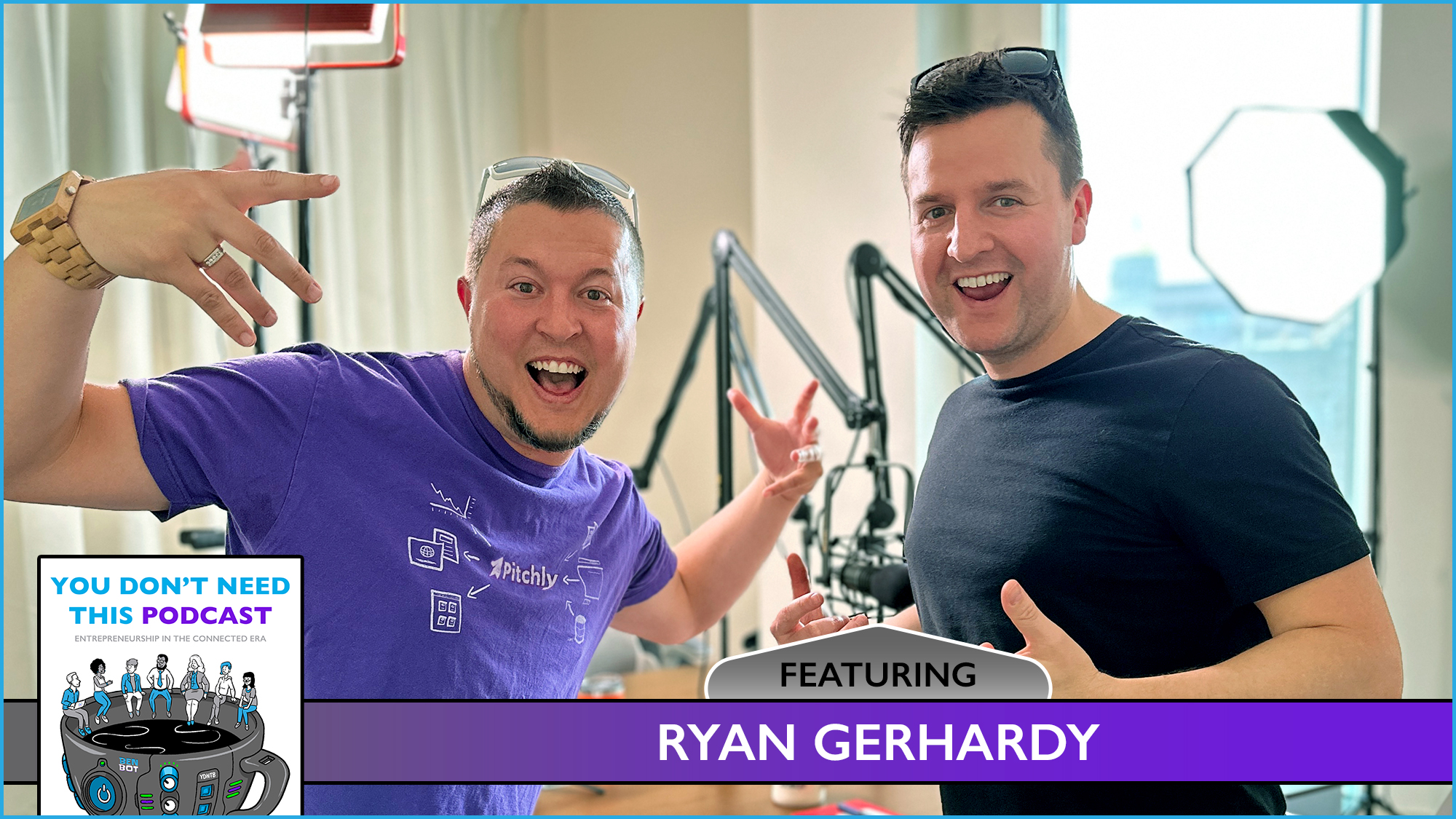
Ryan Gerhardy puts data to work. This friend from Australia started in investment banking and worked within venture capital before launching Pitchly. We unclip from our snowboards to chat about data enablement and leadership to scale a startup. As we discuss his team raising over $10M, Ryan outlines three stages investors look for: Potential, Promise, and Proven.

This episode is invaluable for intrapreneurs looking for productivity within big data, non-technical founders raising capital, and investors looking for fresh opportunities.

LISTEN on APPLE PODCASTS
LISTEN on SPOTIFY

By Ben McDougal, ago