Down Under

It’s easy to think the perfect investor pitch exists.

The inspired business idea, sharp slide deck design, magical lines within a concise pitch, and formulas to make everything click. Study fundraising all you want, but the art form can be seen when understanding adds space for storytelling that shows instincts.

EXTRA SHOT

This contribution was written by Saba Karim. This Australian technologist is a perpetual builder who has heard more business pitches than anyone you know.

During my time at Techstars, we listened to hundreds of founder pitches. Different industries, backgrounds, and levels of experience. On paper, many of the companies looked nearly identical. Similar markets, similar traction, similar slides. Yet the outcomes were rarely the same. Some conversations created momentum immediately. Others stalled, even when the numbers looked better.

The difference was almost never the product. It lived in the story. The strongest founders were not reciting information. They were explaining how they saw the world. Their judgment was heard in the way they framed problems and talked through decisions. Their pitch was not something memorized. It was something the founder(s) understood. That distinction matters, because investors are not betting on slides. They are betting on decision makers. A deck can show intelligence. A story reveals instinct.

Many founders treat pitching like a checklist. Hit these slides. Answer these questions. Say the right words. But when either side approaches an early interaction that way, the conversation usually falls flat. No deck is ever complete enough to replace connection.

When founders realize alignment matters more than perfection, the dynamic changes. The meeting stops feeling like a performance and starts feeling like a conversation. That shift alone creates momentum.

Momentum is not mysterious. It is human. Founders who walk into meetings with clarity tend to leave with more doors open. Not because everything is perfect, but because belief compounds quickly. You can feel when someone has their right foot forward. 

They are not rushing.
They are not over-explaining.
They speak in present tense.
This is what exists today.
This is what we’ve learned.
This is what we are doing next.

Reality builds more trust than ambition ever will.

Another common mistake is trying to sell the product instead of the opportunity. Features matter, but they rarely carry the conversation. What resonates is why the problem matters, why the timing makes sense, and why this founder cannot walk away from it.

The best meetings barely felt like pitches at all. They are calm, low pressure conversations. Sometimes there was a deck. Sometimes there was just a demo. The tone shifted from here is what I want to build to here is what I have already built. That shift changes everything.

As founders, we tend to overthink the wrong details. Being slightly late. A noisy background. A moment of nerves. Those things rarely matter. What does matter is presence. Listening instead of talking. Answering the question that was asked. Slowing down enough to think clearly.

Extra Shot

Confidence is not volume. It is calm.

Over time, storytelling stops being a fundraising skill and becomes a life skill. Entrepreneurship demands it constantly. With investors, teammates, customers, and yourself. Every difficult decision needs a narrative strong enough to carry uncertainty.

Early on, those stories are mostly aspiration. Later, experience reshapes them. Obsession sharpens them. Failure humbles them. You stop trying to sound impressive and start trying to sound honest.

Eventually, you care less about winning every room and more about finding rooms where you belong. Fundraising becomes relational. You are no longer trying to convince someone to believe in you. You are discovering whether you already believe the same things.

People do not want to feel processed, optimized, or pitched. Success, whether in business or in life, is rarely about winning someone over. It is about how people feel when they leave your presence. The energy you bring into a room. The care you show when no outcome is attached.

In the end, the perfect pitch never existed. What existed was clarity, presence, and the courage to speak from experience instead of expectation. There is no finish line. Only better questions, deeper alignment, and the quiet understanding that the best relationships are all built the same. With intention, kindness, and a genuine desire to be remembered for how you made people feel.
By Ben McDougal, ago

Push Through

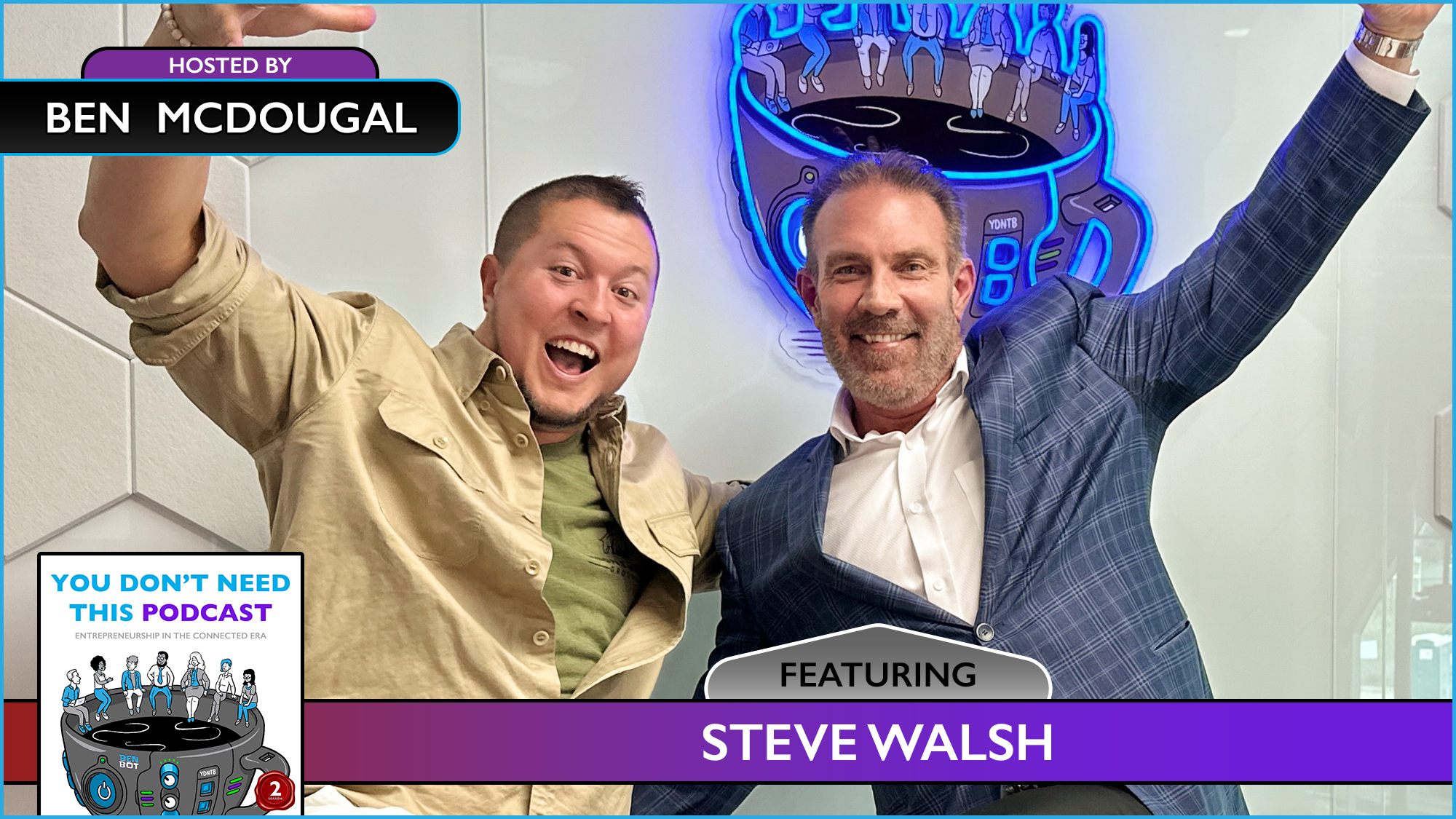
Alongside a career in finance, Steve Walsh is an investor and wrote Make the 10X Leap to help founders scale. We talk about choosing to push through the storm, raising strategic financial capital, collaborating with investors, signals for when it might be time to scale, and all that goes into writing your first book.

LISTEN on APPLE PODCASTS
LISTEN on SPOTIFY

BONUS MATERIALS

https://BisonEquityGroup.com

http://Push-Through.YouDontNeedThisPodcast.com

Roasted Reflections Break: Winds of Outrage

https://BenMcDougal.com/How-I-Wrote-YDNTB

EP59 – Agents of Change 🎙️ Amner Martinez

EP73 – Care Directly 🎙️ Jon Van De Veer

EP84 – Base Camp 🎙️ Jon Kallen

http://YouDontNeedThisPodcast.com

By Ben McDougal, ago

Storytelling

Humans are innate storytellers. We use (sequenced) stories to enjoy life, relay ideas, and network experiences. Passed over generations, the willingness to tell stories has helped our species survive. When collided, shared understandings then summon diverse environments connected to thrive.

As we narrow the narrative into an entrepreneurial lifestyle, the values of storytelling are felt as we learn, create interest, unite, and act beyond the shared moment. Over a brew, in the office, at events, out with friends, or on-stage, leaders must be able to translate the story of a business.

The environment, industry, audience, and format affect how a story is told. The sentiment should be consistent, but your story won’t sound the same each time. Agility, preparation, and awareness will keep a story genuine, truthful, and engaging. Preparedness also boosts our confidence to share our stories in any situation.

Internal storytelling between owners, co-workers, mentors, advisors, and customers is guided by listening, curiosity, data, transparency, and all that’s found in the Team chapter of You Don’t Need This Book.

Let’s expand the repertoire with a focus on storytelling with strangers. This is done by playing with styles and tinkering with creative formats for the story.What’s your style? How casual can you make it? How nerdy can you go? What feelings do you evoke?

Alongside different styles, timing also helps to format the story. One sentence is a sharp conversation starter. 42 Seconds is ideal for networking events and in small groups. 6 Minutes delivers details to support a valuable Q&A. 10+ minutes creates space for more depth, but don’t numb the audience. 45+ minutes is leading event sessions and keynote speaking.

Along with talk, relatable assets bring a story to life. Such creation uncovers flow for a story. So embrace branding, social media, website development, slide decks, one-pagers, and endless types of physical and digital materials that connect storytelling with an audience that cares.

No matter the situation, honest understanding, energizing enthusiasm, practice, transparent vulnerability, intellectual humility, and concise simplicity will serve you well. Nothing pushy, but pops of persuasion curate attention along the way. As a remarkable story comes together, feedback will sharpen the business and help tweak the transmission.

By Ben McDougal, ago

Rubik’s Cube

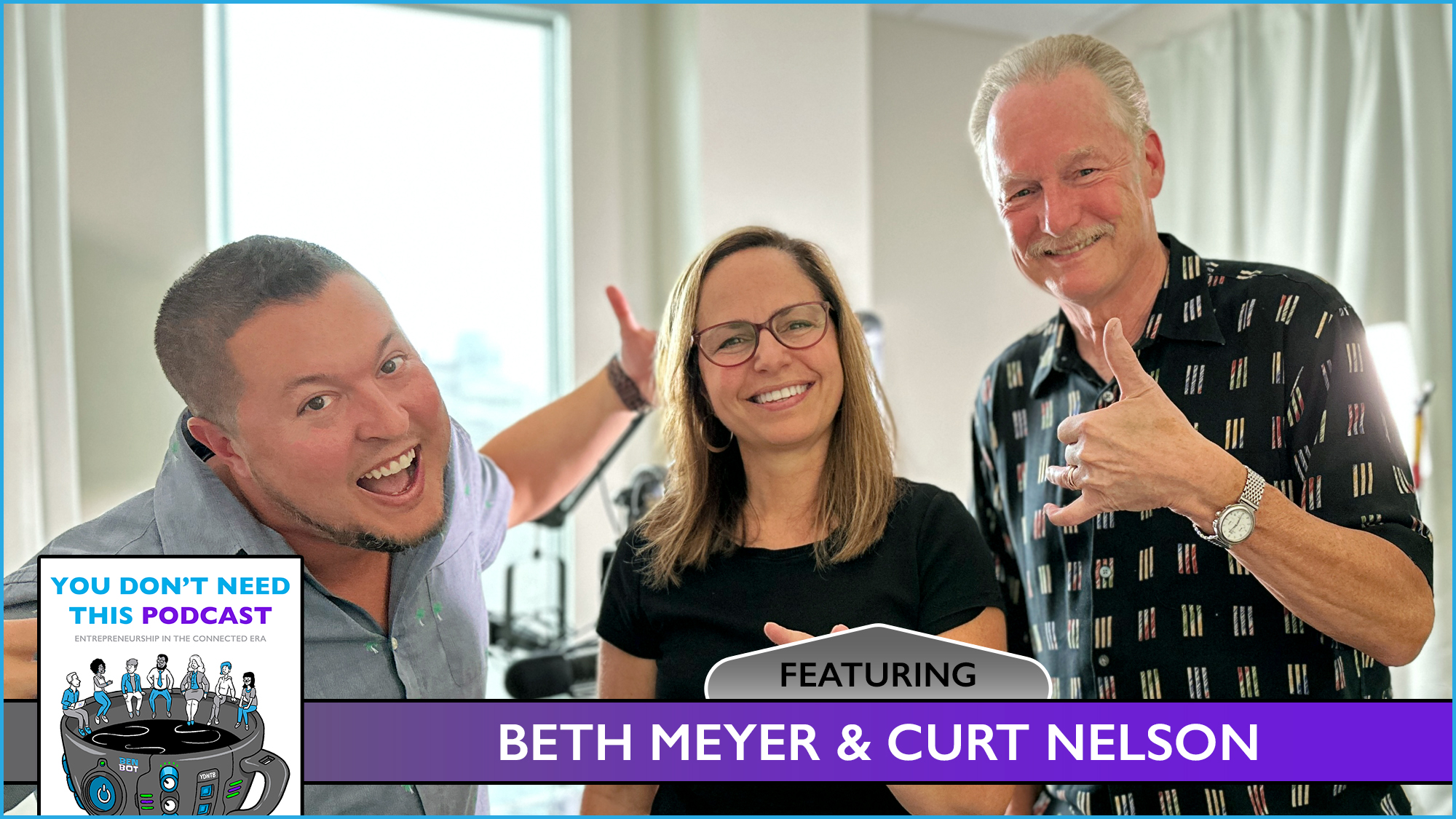
Curt Nelson and Beth Meyer help entrepreneurs spin the Rubik’s cube that is starting (and scaling) a business. The Entrepreneurial Development Center is celebrating 20 years of really getting involved to make an impact. Curt also leads the Iowa Venture Capital Association.

Together, we chat through the origin story of the EDC, then shift gears to chat about tracking milestones with mentors, giving advice, raising financial capital, managing startup boards, and the investor landscape throughout Iowa.

Enjoy this Episode
YDNTP on APPLE PODCASTS
YDNTP on SPOTIFY

By Ben McDougal, ago

Cheers to That

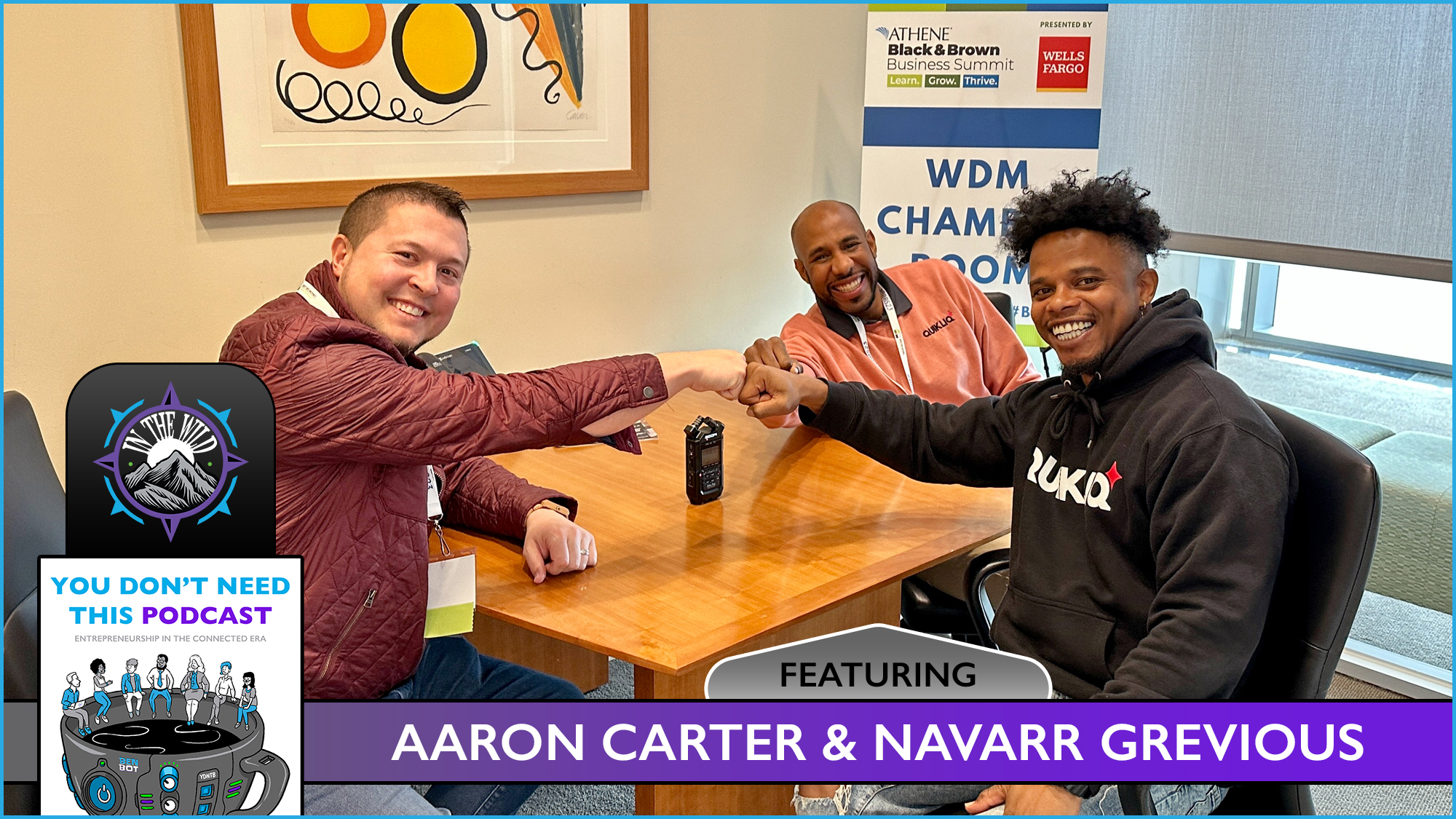
Navarr Grevious and Aaron Carter were visiting Des Moines from Miami, for the Black & Brown Business Summit. After QuikLiq won the $50K pitch competition, we found a spot to chat in the wild!

In EP46, we pour innovations into beer, wine, and spirits. We talk about how these co-founders met at Clark Atlanta University, then reunited to build together. We also talk about transitioning a small business to a scalable startup, technology that connects local communities, building a team, how to win pitch competitions, and signals to help you raise financial capital. After the break, you’ll learn about the three-tiered system within the spirits industry and tasty trends you’ll be sipping on soon. I’ll cheers to that!

Enjoy this Episode
YDNTP on APPLE PODCASTS
YDNTP on SPOTIFY

By Ben McDougal, ago