Everyone has experiential wisdom to share, and piloting those stories into a podcast can shape a potent piece into the larger puzzle of our work.
Time is the resource required to pursue a podcast. Let’s save some by sneaking behind the scenes of You Don’t Need This Podcast, which is timeless insight packed into 100+ episodes, recorded in-studio with featured guests. This entertaining achievement helps us analyze what it takes to unearth treasured time for yourself while curating rhythmic value with people you respect.
As you juggle the idea of producing a podcast, think about why this outlet is something you want. Imagine if you had a collection of episodes already available everywhere. How might they be formatted? What genres and topics would your podcast be defined by? Who would benefit most, what does success lead to, and in a scenario where nobody cares, what’s the worst thing that could happen?
Extra Shot
People without a podcast want one.
People with one, know what it takes.
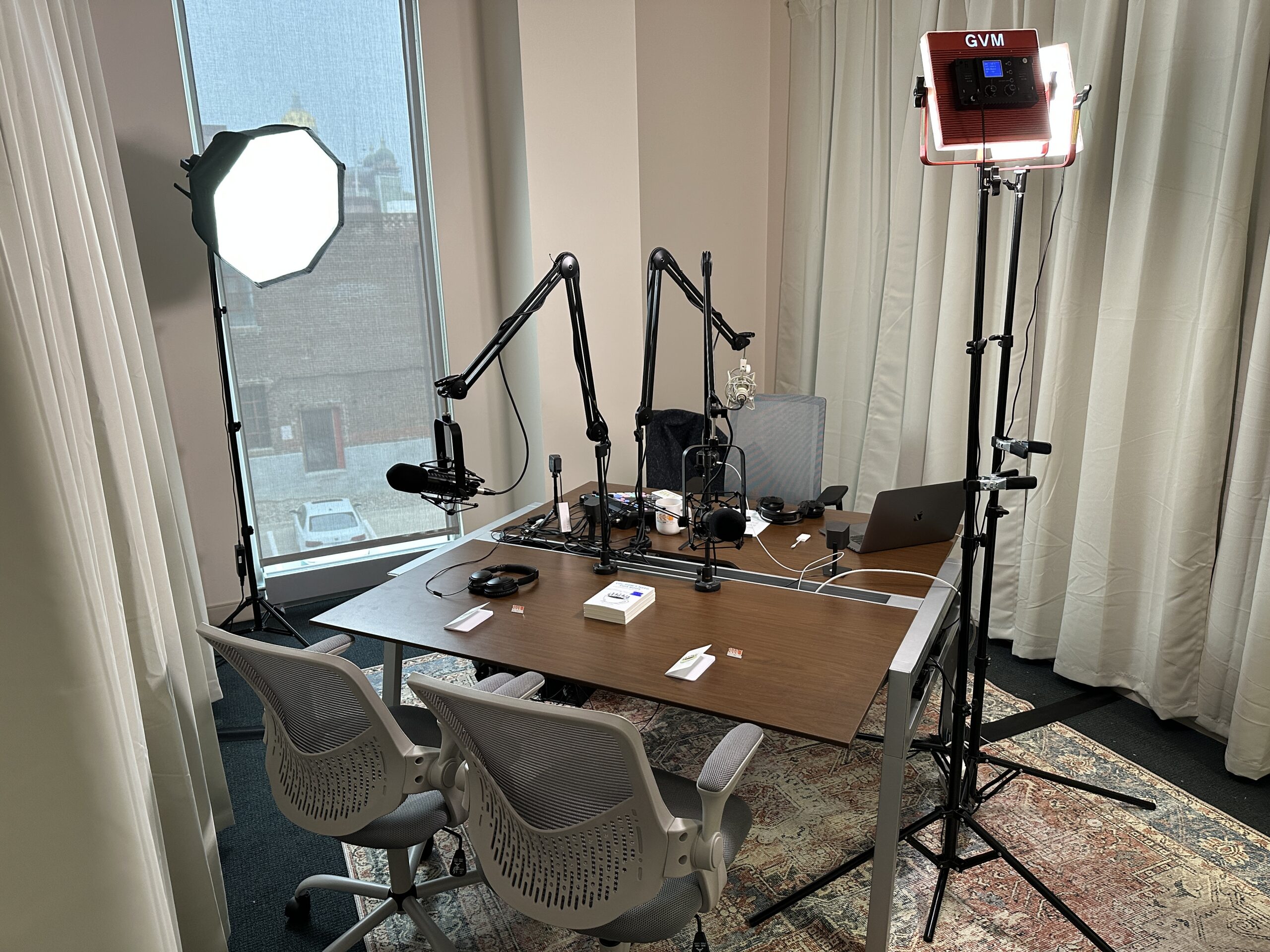
It’s not hard to start a podcast. Anyone can buy recording equipment, find a space, push record, and host files on a podcasting platform. That is one reason so many podcasts don’t go further than a few fun files. As you determine your why and feel the excitement of something new, remember that a podcast will require time, a little money, communication, systems, networking, marketing, resilience, and even more time. While opportunity cost is higher than most expect, the return on your investment can be meaningful conversations and recorded relics you’ll always appreciate.
To produce a podcast, you’ll need to orchestrate the participants, duration, tempo, branding, distribution engine, recording gear, post-production, and execution plan. Action will push a podcasting idea further than constant planning, but let’s turn each knob to prepare you for the dance.
Duration
With your why, realities, and audience in mind, determine the estimated duration for each episode. There are no rules, but the length of a podcast affects how much you can cover and what you’ll ask from others plugging in.
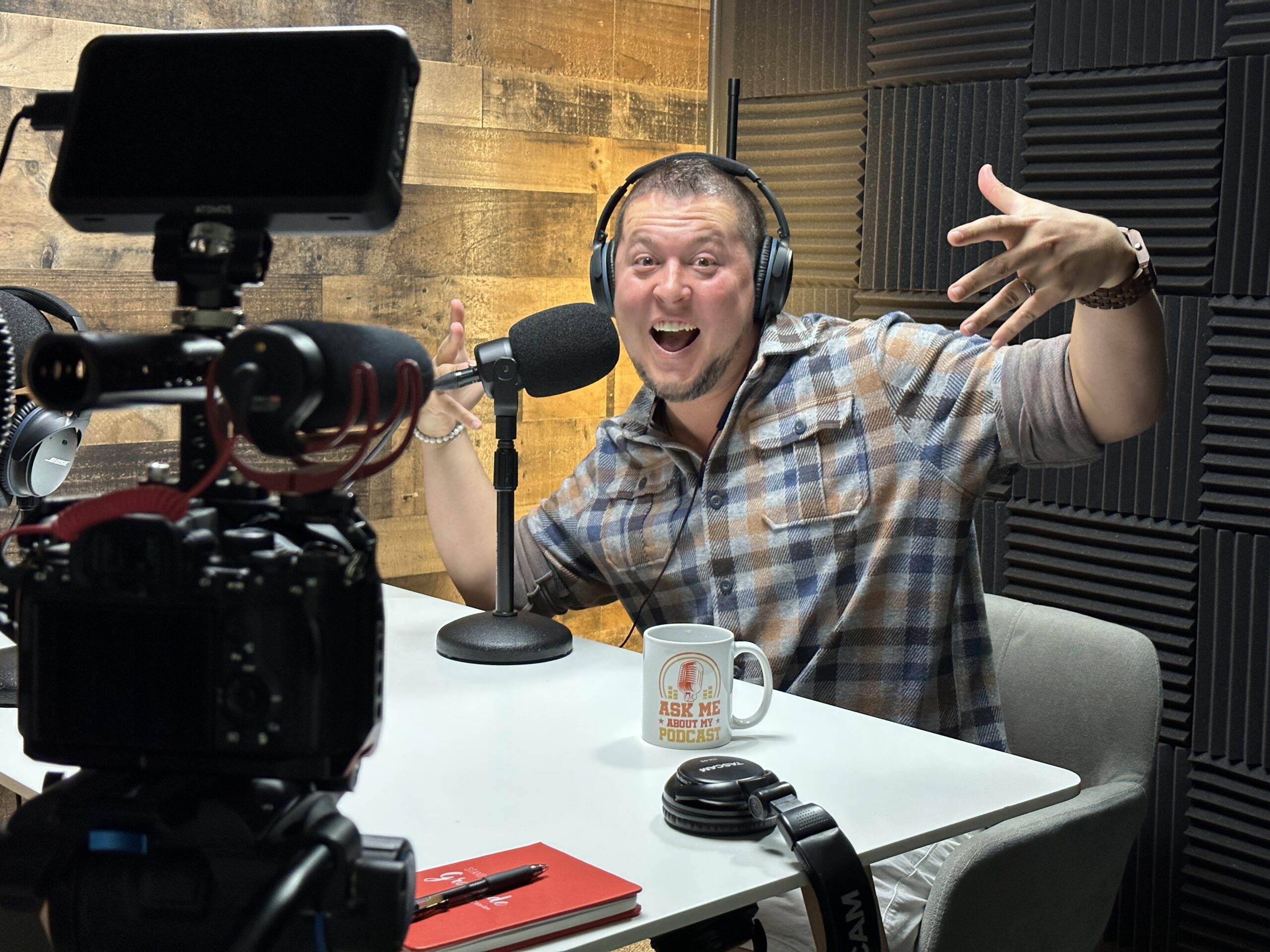
Anything under 30 minutes works for a solo host without co-hosts or featured guests; 30–60 minutes provides space for featured guests and still invites anyone to listen. Podcasts that last more than 60 minutes invite deeper interactions, but can also drone on and cause audience fatigue. No matter the duration, preparation is required. What are your capabilities as a host and who else will be involved? Consider lengths you like to listen to, experiment to find flow, and know you can always categorize different episode lengths to keep things interesting along the way.
Tempo
The cadence for releasing new podcasts will determine how much content needs to be created. Single episodes take a shot of effort and can add a nice sound to existing content, while a comprehensive effort will be needed to string two or more episodes together. The more time between each episode, the harder it is to build meaningful momentum.
Occasional drops provide flexibility but make it impossible for an audience to add your podcast into their routine. An annual or quarterly cadence also provides elasticity, but more distance between new episodes will limit growth. If your podcast hits the ears of someone who likes it, attention will fade fast if you stop delivering fresh content.
For those trying to produce a podcast that thrives on its own, a monthly release is practical, but a weekly release speeds everything up. There are daily podcasts, but those become talk radio, focused on monetization more than true value compressed into each episode.
If you’re unsure, the hack is a topic-based series of 3–5 episodes. This will provide room to experiment, offer success without much commitment, eliminate the need to purchase equipment, and adds clarity from a shorter feedback loop to help assess value as you navigate what’s next. If the episode count starts to push higher, a few categories leave room for different types of episodes, and breaking things up into multiple seasons adds an offseason to take a break.
 Branding
When branding a podcast, it is wise to avoid the fog that settles when we build akin to existing art. Like the founder building a startup, when it comes to early research, don’t fall in love and hope something like it doesn’t already exist. Try to find it! Look for podcasts that may be similar to what you have in mind. Explore related genres, hunt for anything that has a title like yours, listen to a variety of formats, and review the content guidelines for different podcast platforms. Alongside so many existing podcasts, brave awareness helps to avoid future tension and provides the creative freedom for your own art to bloom.
Extra Shot
Wanna one pager to monetize your podcast? Let’s connect.
With a clean identity, have fun creating visuals to represent your podcast. Like cover art for a book that pops off the bookshelf, artwork for a podcast needs to catch the scrolling eye. Alternate resolutions and episode-specific graphics earn extra credit down the road, but your artwork should look its best as a small square thumbnail. Less is more.
Branded assets will support marketing, but first it’s time to lay the groundwork for automated distribution.
Distribution
Nesting a home for this creative season requires a system that starts with a podcast hosting platform. This is where your podcast lives. It’s where you’ll track metrics, connect to popular podcast players, and create embedded players for the richest experience on websites you manage. There are many great podcast hosting platforms, which usually charge an ongoing fee based on the amount of content you upload. This allows you to pay less and grow into more resources, so budget for this important home base.
Now it’s time to align RSS connections between your home base and the major podcasting players. Podcast submission forms or dedicated profiles may be needed for each podcast player. With podcast player requirements met, return to the podcast hosting platform to connect the feed to the podcast player. This automates distribution and only needs to be set up once. When done correctly, episodes are set up with an audio file (.mp3 is a widely accepted file format) and related materials on the podcast hosting platform. Once published from your home base, embedded players will be activated, and new episodes will sync into connected podcast players.
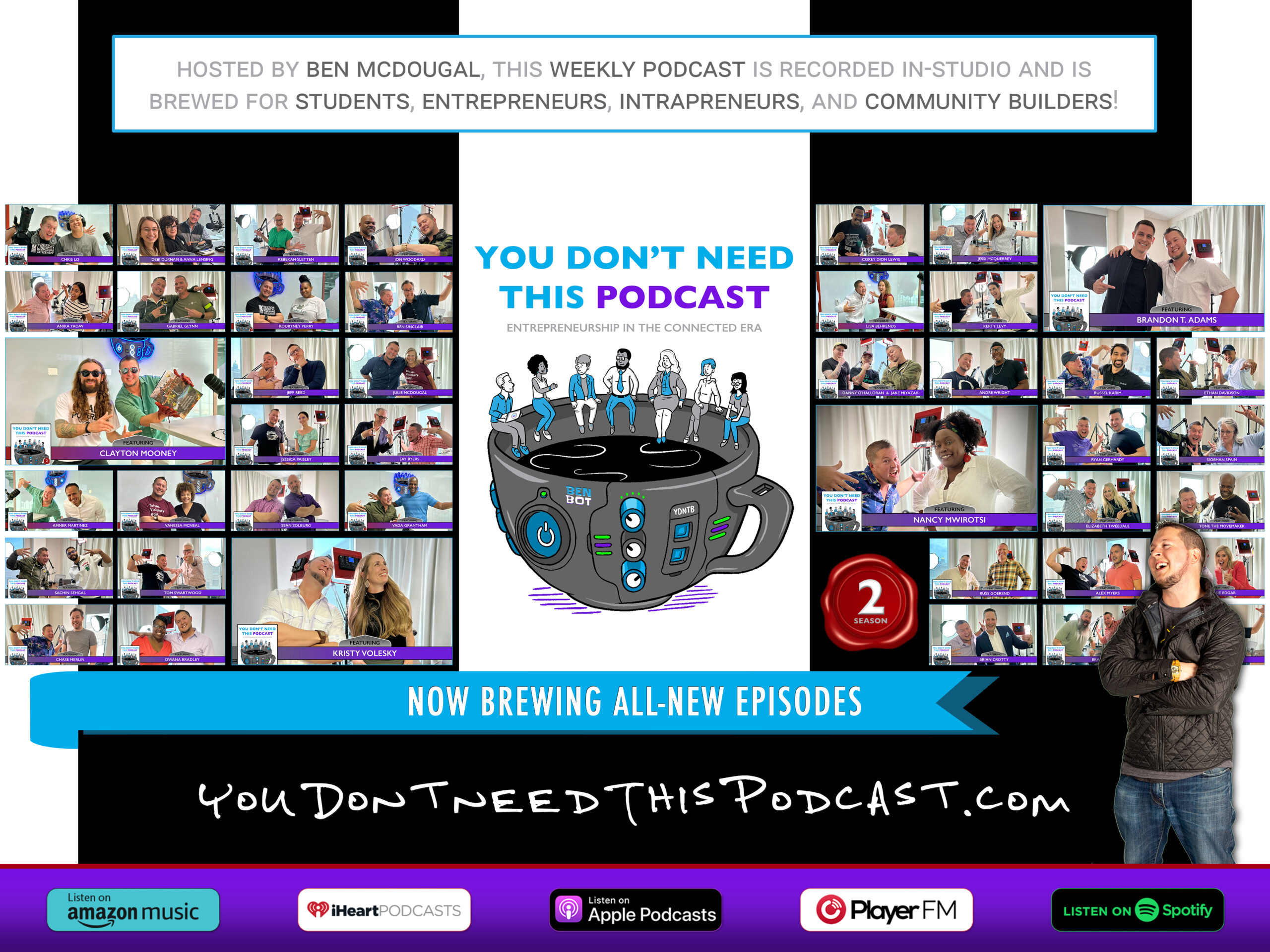
With all major distribution channels aligned, it’s nice knowing your podcast can be heard anywhere. But if you had a choice, where would you want to send listeners? It’s easy to share links provided by popular podcast players, but this cuts you out of the deal. Instead, register a branded URL that lets you control the traffic. This URL can link people directly to a podcast player, but it can just as easily connect to a branded environment dedicated to your podcast. For example, YouDontNeedThisPodcast.com forwards to an internal page on BenMcDougal.com. With one branded link, visitors can enjoy a catered experience that commemorates each episode, with all the popular podcast players and the rest of my art just a click away.
Gear
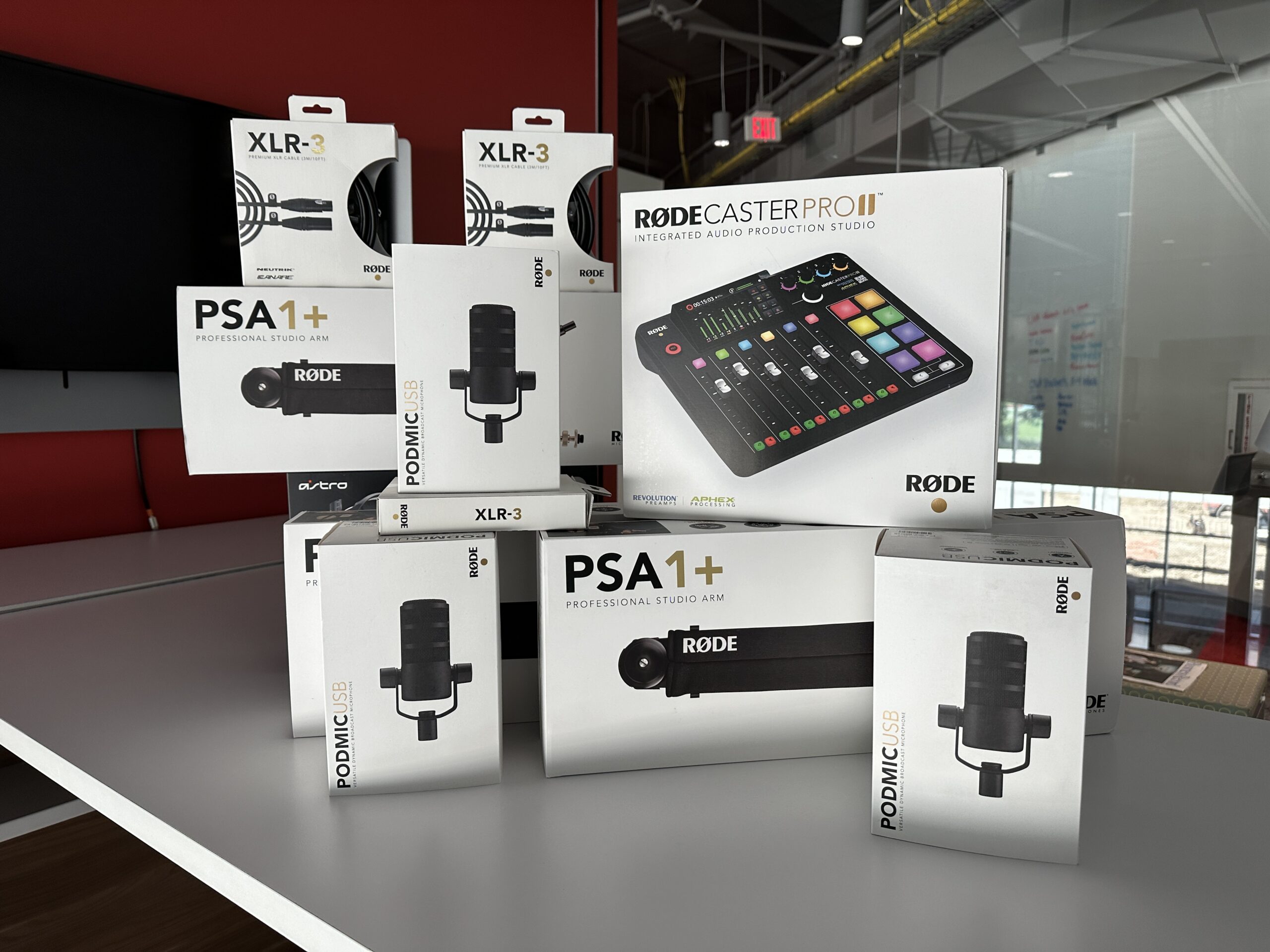 Securing equipment to bring a podcast to life is easy. Start with a space that vibes. A consistent environment will make the sound quality dependable, and if you’re inviting guests, this should be a public place.
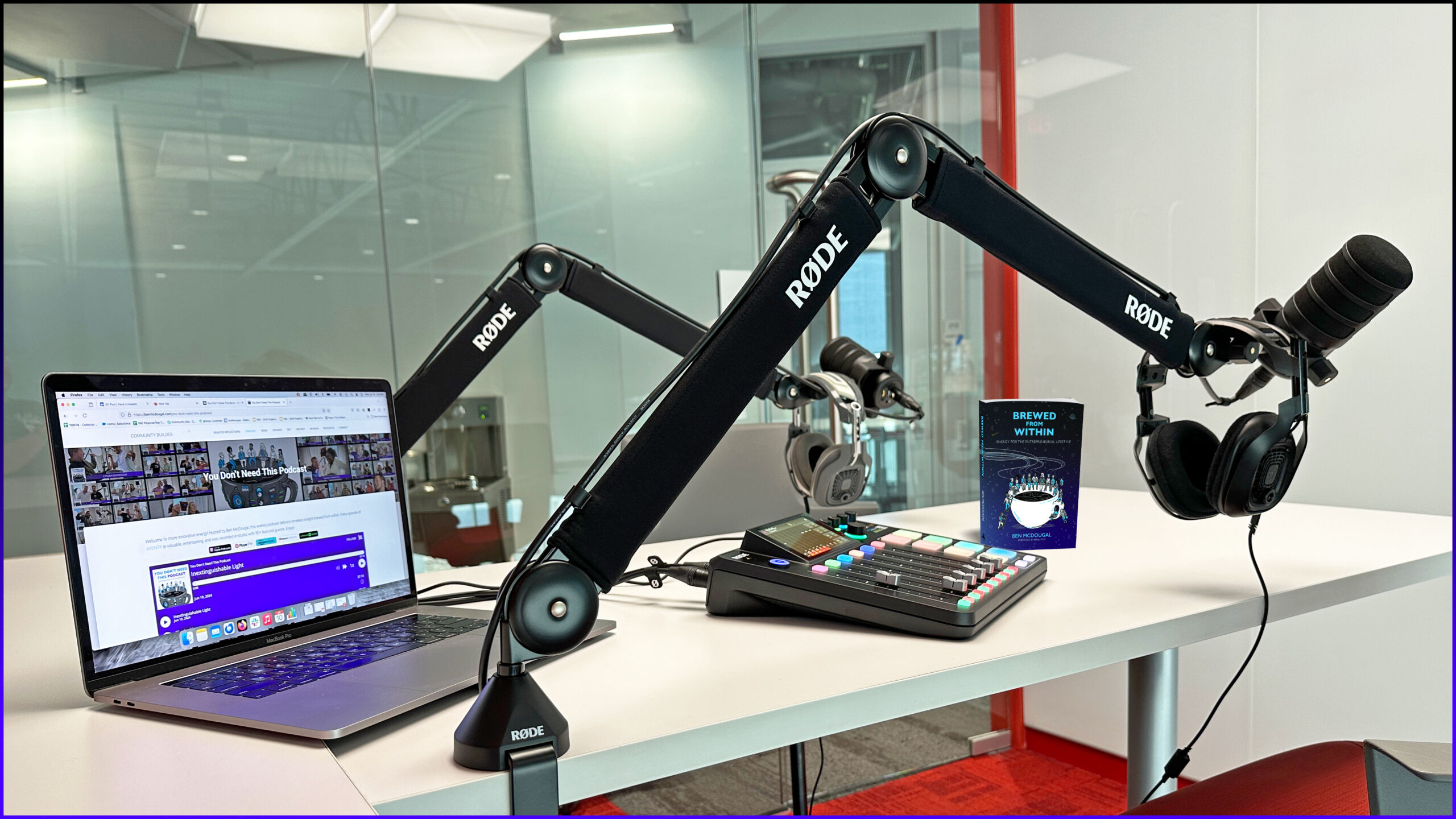
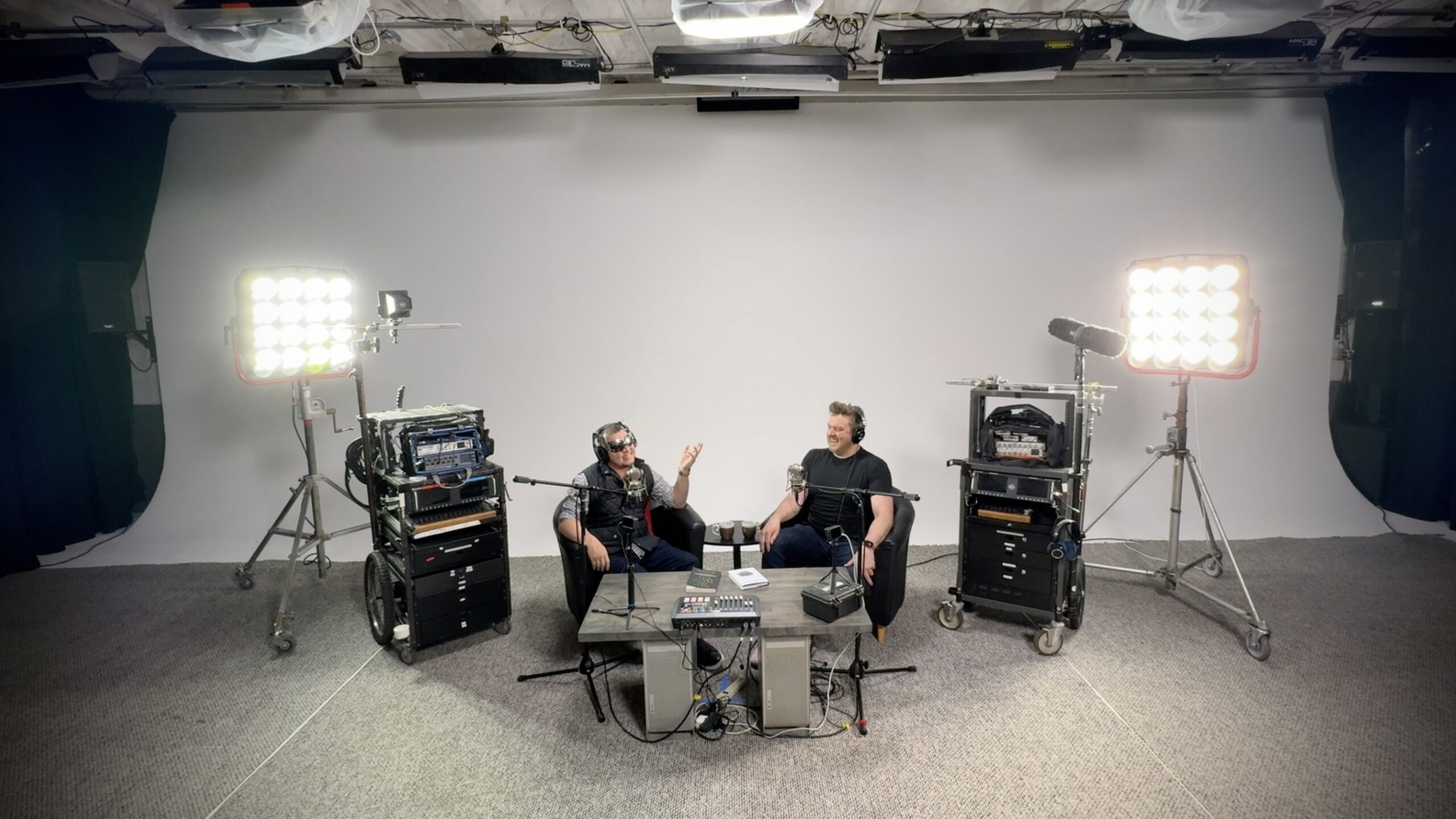
Purchasing equipment and building your own studio is ideal, but the cost may be prohibitive, and there are existing space options to get started. Libraries, schools, coworking spaces, and traditional recording studios are all places to jam. A professional environment is not required, but it will inspire guests and provide quality audio that is easier to optimize. To arrange a podcast studio, here’s a practical shopping list:
- Quiet environment
- 4–6 channel mixer
- 2–3 microphones + cables + mounts
- Laptop + 5TB external hard drive
- Headphones are not required but help with quality control and make people feel rockstar.
- Video can’t be used if it’s not captured. SLR cameras make things cinematic, but smartphones or action cameras will also do the trick.
- Regardless of the video equipment used, a little extra lighting will really enhance the look.
-
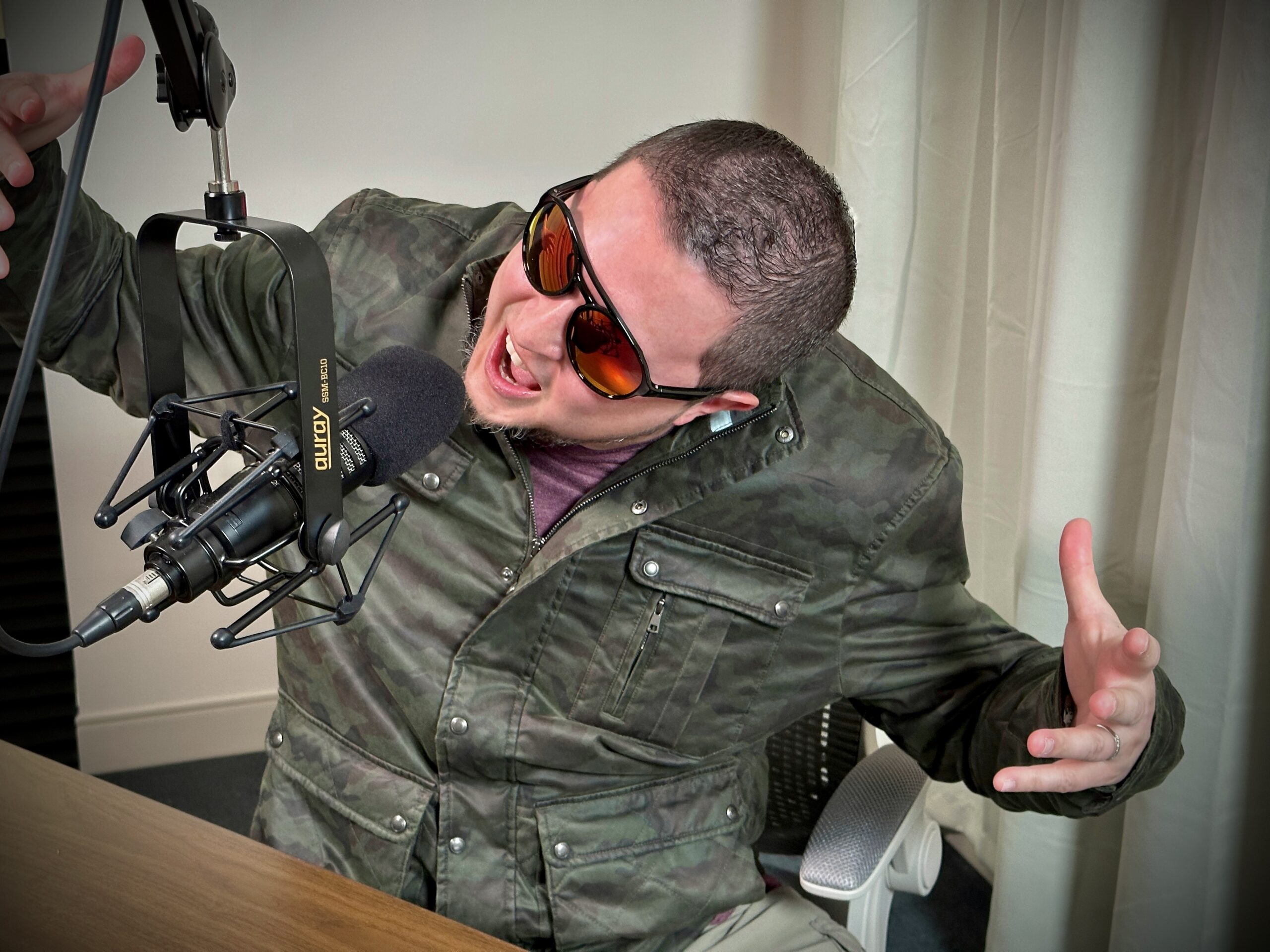
The efficiency of our connected era makes podcasting more approachable than ever before. Online podcasting requires less of everything, but when was the last time you got excited to watch people chat on a video call? There are exceptions where professional AV setups reduce the distance felt between each person, but most podcasts that are recorded online fall flat. There’s less body language, banter feels rigid, serendipity is lost, and the whole thing becomes less entertaining. When you’re looking for less content or if resources hinder the ability to share premium human time in a physical space, enjoy the ease of online podcasting but don’t be surprised when enthusiasm stalls and valuable insight gets lost in the noise.
One vs. Many
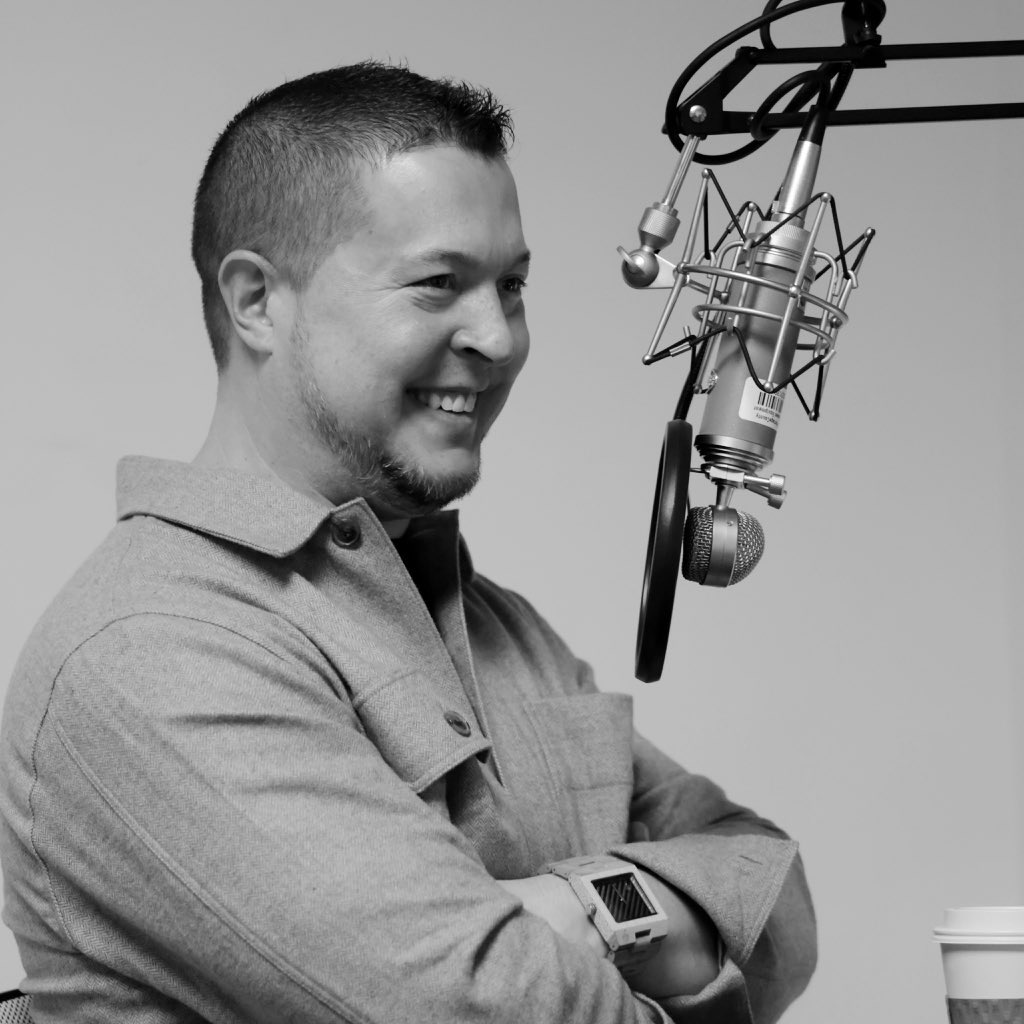
Monologue podcasts are a great way for individuals to express ideas with full creative control. This approach is convenient, provides a healthy release, and distributes art into the world. Unfortunately, a solo mission still requires resources, setup, execution, and marketing. Hosting a podcast by yourself can also be isolating, and a limited reach may be disheartening.
Adding co-hosts and/or featured guests will add layers to the logistics, but extended coordination can be done efficiently. When more people are involved, a scheduling system will save time and maintain professional encounters as studio time is organized and featured guests are booked. The extra effort pays off because appreciation is shared between everyone involved, diversity of thought thickens value, and additional trust channels ignite engagement from an expanding audience.
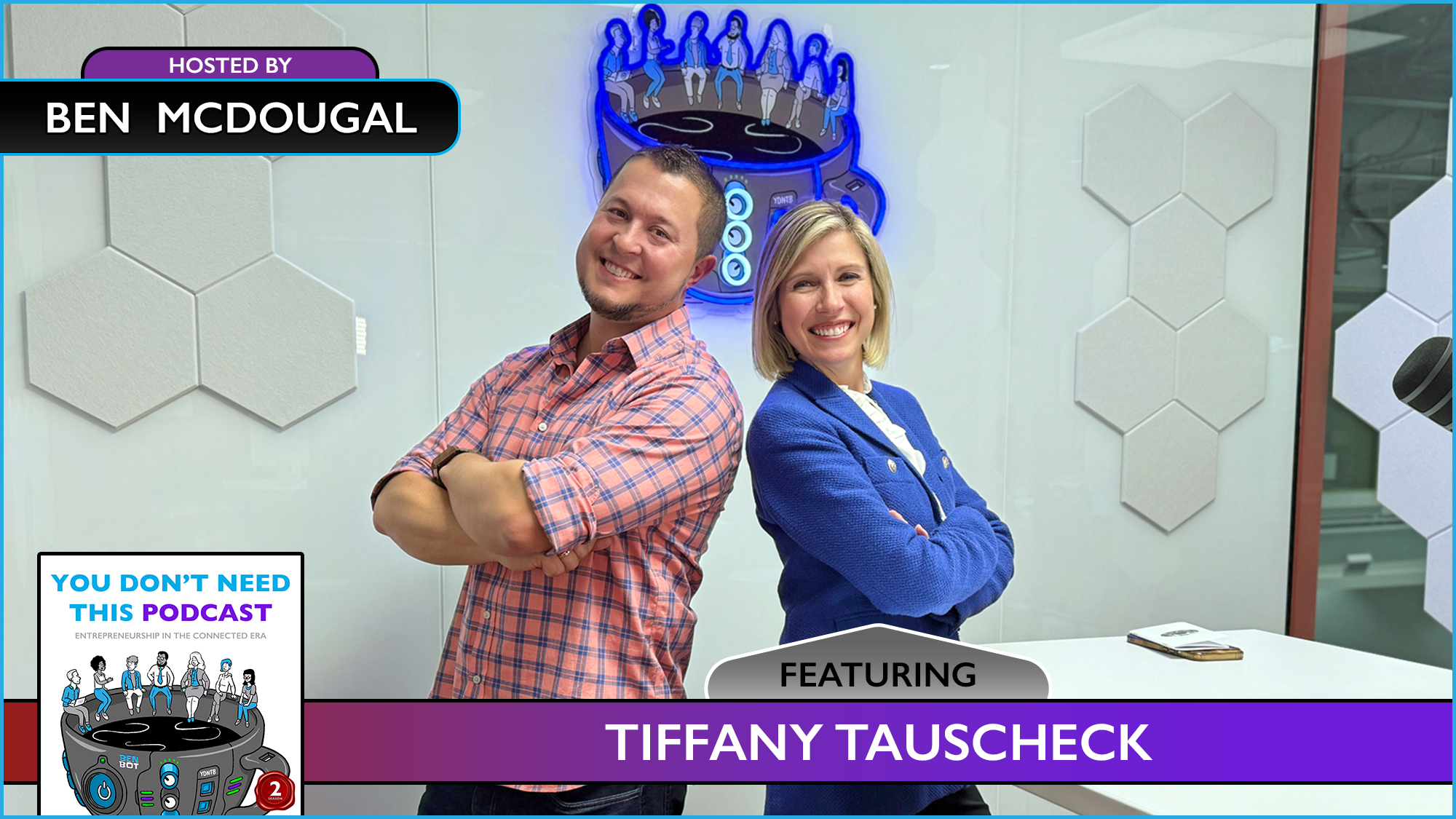
Co-hosts are like co-founders in a company. There’s less money involved but honest expectations with time required and role clarity will help activate other motivating factors. Kept promises, ongoing communication, versatility, and milestones for ongoing evaluation support a healthy relationship for co-hosts creating art together.If featured guests make the podcast more interesting, as they often do, an existing network will make it easier to curate special visitors. If your engaged network is small, slow down the tempo to make room for better connections. This signals respect for experience and a willingness to share time. As patience uncovers more shared interests, the ability to access remarkable featured guests is strengthened. As a podcast grows and more notable guests are featured, future invitations become more appealing. The expanding platform will soon have strangers asking to be a guest, and the original motivation will be tested. This is progress, so embrace the growth while staying grounded in your why.
Execution
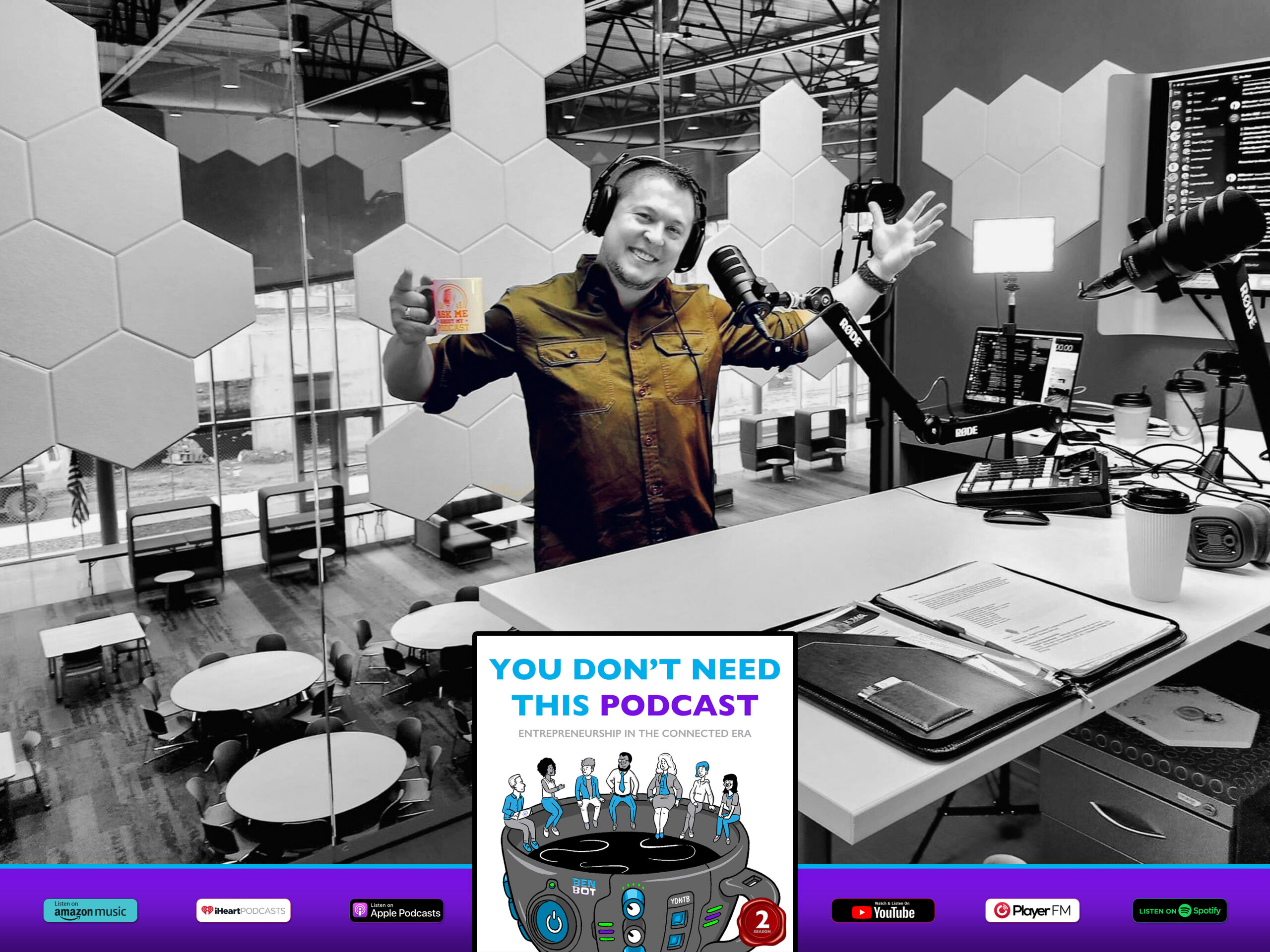 Before each recording session, forge prompts to guide the conversation and to prepare featured guests. Include time and location, an estimated release date, and resources that make the podcast easy to share.
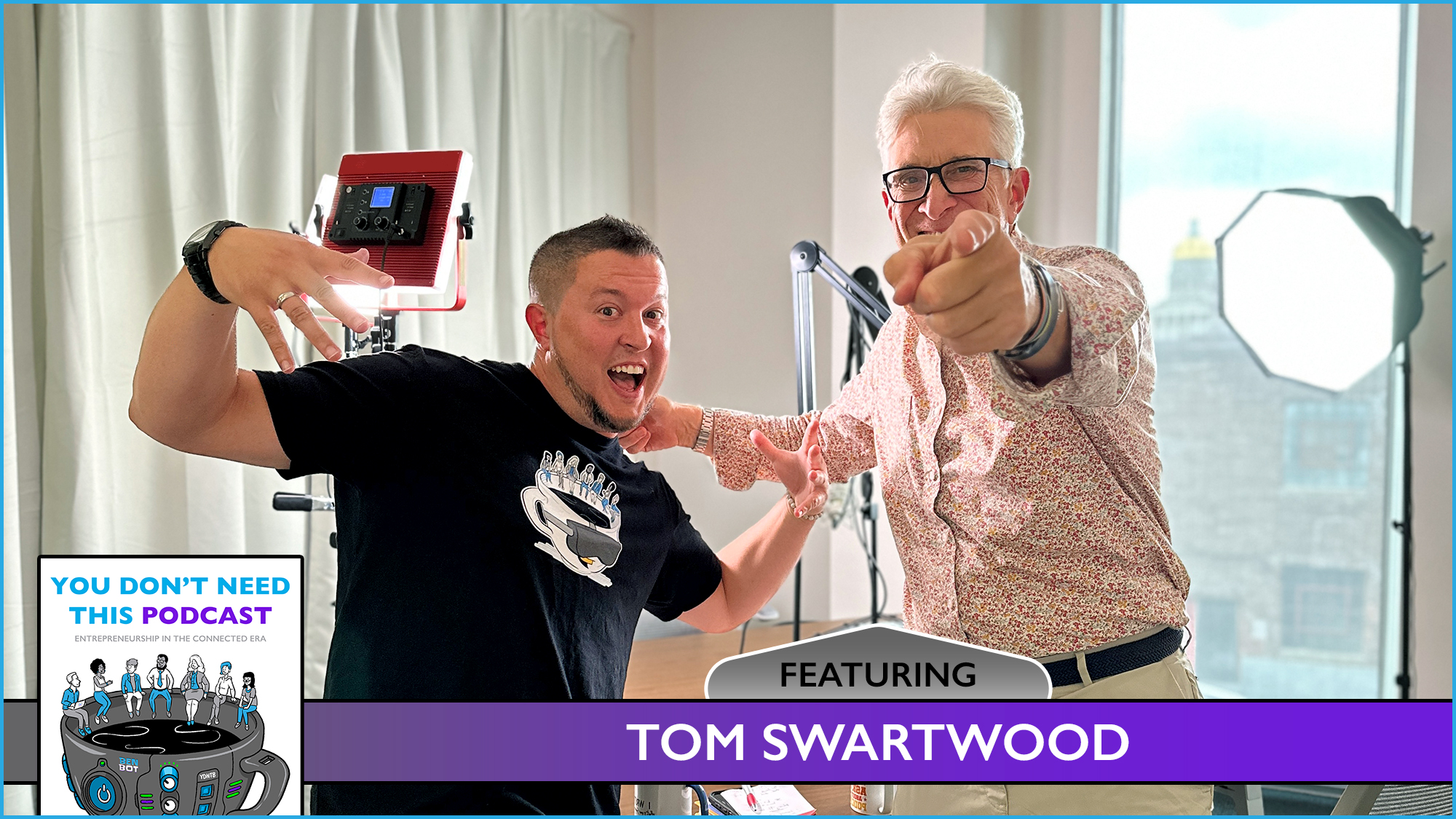
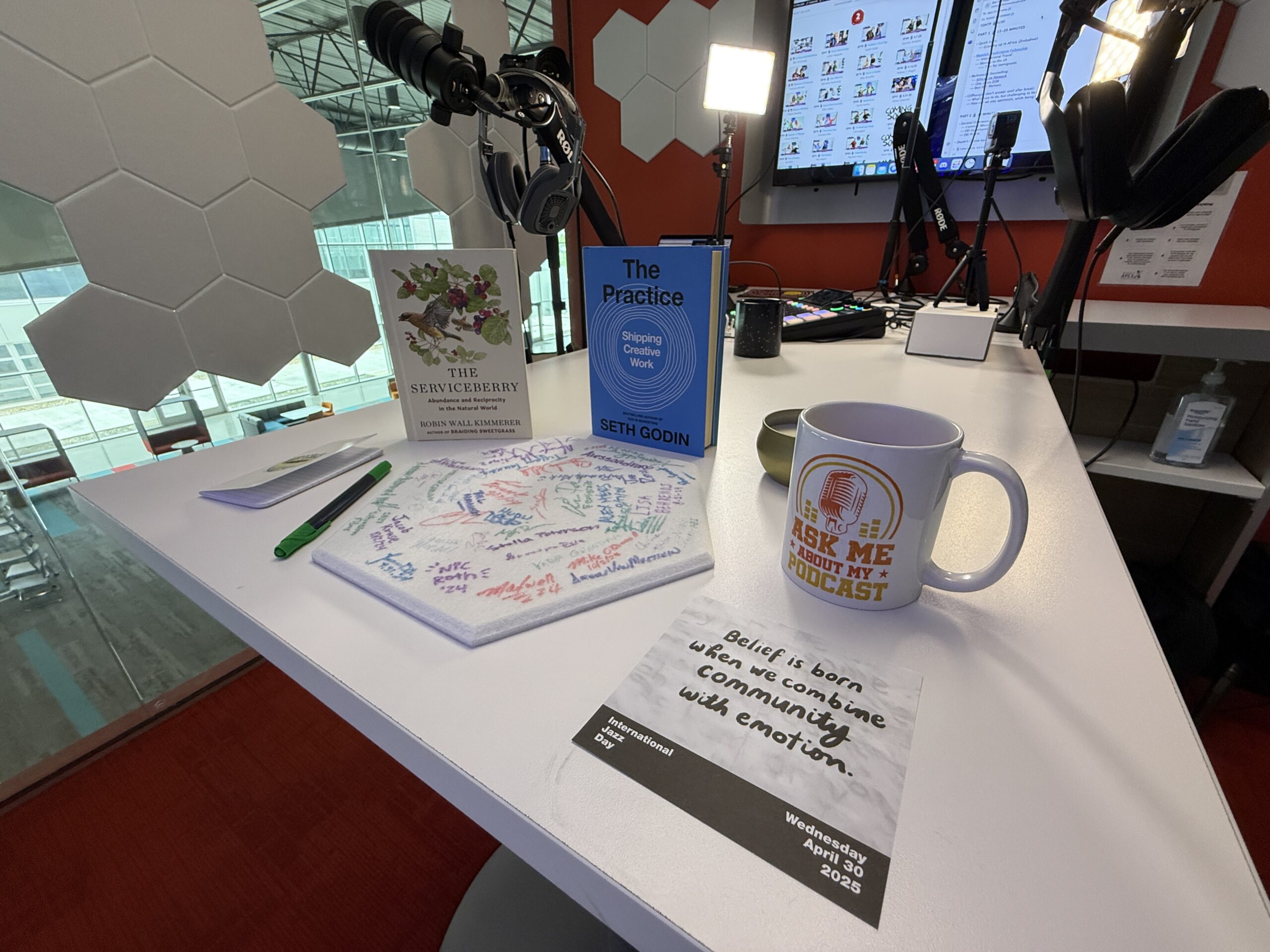
When it’s show time, avoid feeling rushed by arriving early to get equipment set up. With headphones hung on each mic, pour beverages and lay out small thank you gifts. Touch base with featured guests, review the conversation prompts, and open relevant websites that may come in handy during the discussion. Guests will appreciate this hospitality and give their best as they hear their own voice in the headphones. Warm up with a little unrecorded banter, go over the basic format, and answer any questions. To feel the moment, take a deep breath because once recording starts, everything speeds up.
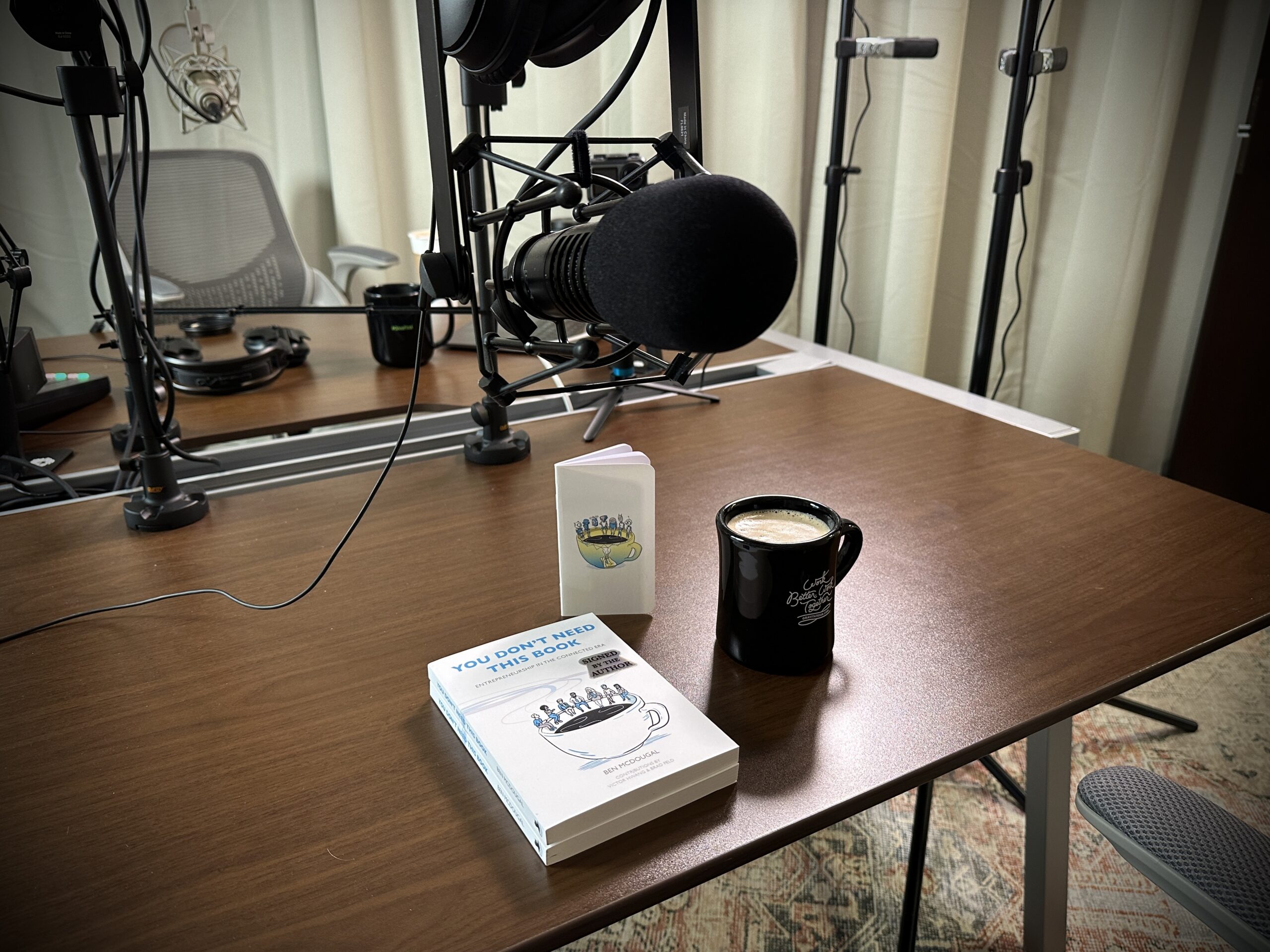
This is when preparation and hard work are rewarded, as exhilarating time is shared and intentional conversations are amplified.As the host, let gratitude galvanize opening remarks, and bring your best as you guide good to great. With featured guests plugged in, give them the spotlight and actively listen to spark inverse charisma. Be responsive, keep topics shifting, and maintain a conversational tone. No matter the duration, time will fly by. Once in flight, keep an eye on conversation prompts and popcorn value, then land on time and with style.
After the mic is dropped, celebrate the moment by creating a few promotional assets. Photos are awkward, but everyone likes having them. Pop a camera on the tripod and trap time with everyone involved. Premium human time has now been archived, but it will only become art once it ships.
Stitch It
The climb has provided a hope that’s felt in saying yes to adventure. Building a branded system, securing gear, finding an inspired space, and recording good stuff with people you respect has been thrilling. Now it’s time to stitch everything together with post-production.
Astute organization will help systematize a growing number of files for each episode and all related materials associated with your podcast. With raw files organized, add sizzle by recording brief, attention-grabbing clips to augment each episode. A stimulating intro will acquaint the audience with this creative expression. If you include breaks, these will need to be recorded, and an encapsulating outro is a nice way to end each episode. These assets are minor additions to an individual episode, but they build your brand and add consistency when applied to every episode. With a hot intro and cool outro in place, collaborate with a sound engineer or use editing software and royalty-free music to polish these supplementing assets into eargasmic additions.
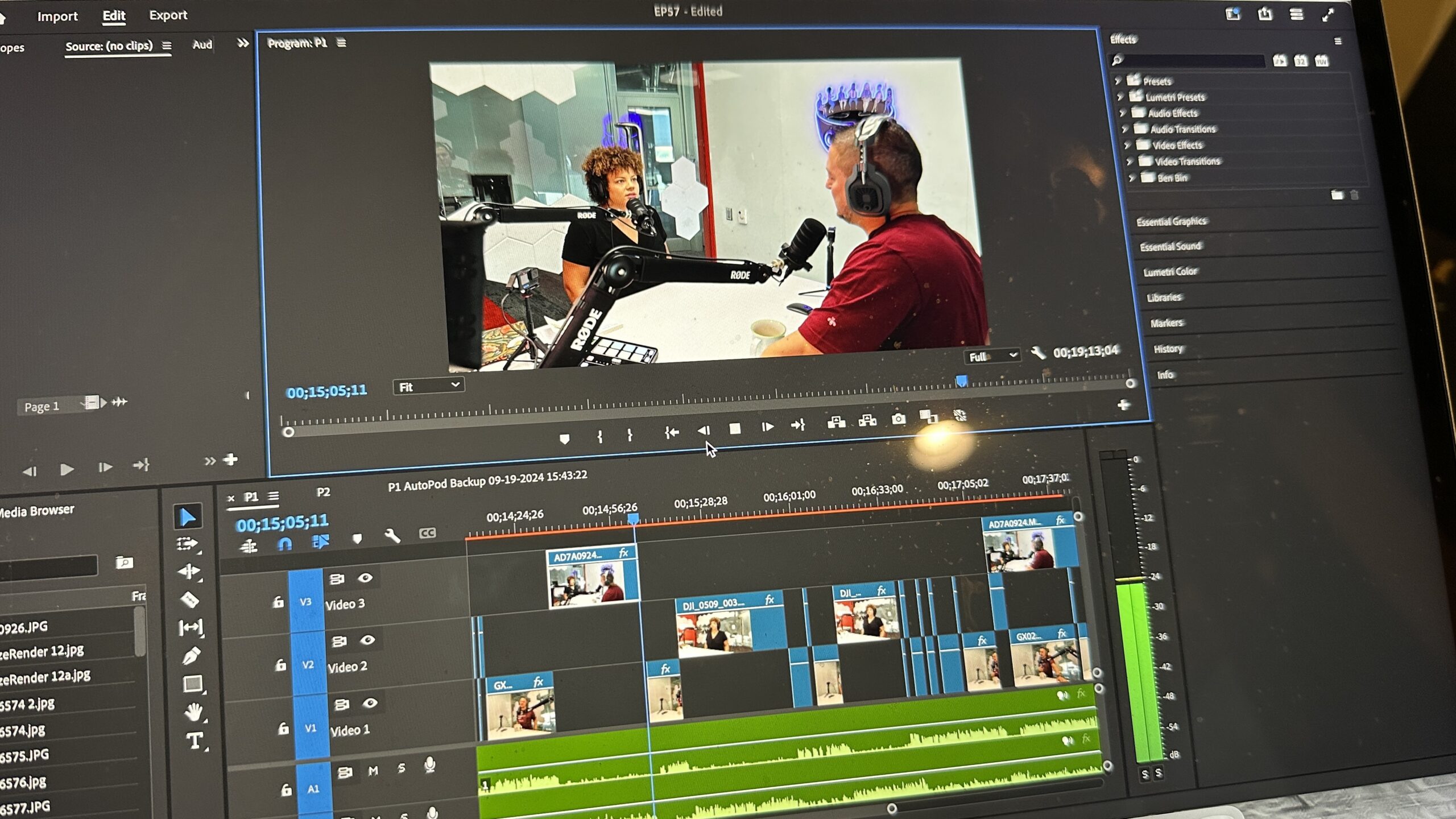
With all the parts in place, use editing software to stitch everything together. If mistakes were made in the original recording, here’s where you can fix those, but work toward single takes to save serious time. With files stitched, enhance the listener’s experience with sound engineering. The better the sound quality going in, the easier this process will be, but software can always add richness, eliminate an echo, and offer other treatments to boost the sound quality. With preferred settings in place, use templates to save time and to apply a similar sound quality to each episode.
Extra Shot
Single takes provide a smooth listen and require way less editing in post.
Not interested in post-production? We can always trade time for money, so if you’d rather hand this work off to others, collaborate with a sound engineer or use podcast editing services and plan to invest $50–$250 per episode. When outsourcing this work, an efficient workflow will include transferring large files, notes for someone who was not part of the original recording, and elongated turnaround times.
As a groove is found, this collaboration can save time, optimize quality, and extend what’s possible.
When the noise starts to sound like music, export the entire episode into a single file. WAV files will provide the highest quality, but MP3 files are more widely accepted. Export both file formats, and take one more quick listen to ensure everything sounds sharp.
Ship It
With the stage set, it’s time to publish your podcast into the wild! Get finalized episodes uploaded, add show notes, and attach graphics into your podcast hosting platform, which is that home base we established for automated distribution.
With 5–10 episodes scheduled, you have enough propulsion to launch. This queue provides space to bank more episodes with less stress. Get back to recording while also using the summit of each new episode to increase awareness.
Stabilizing awareness for a new podcast takes at least 6 months. As you hit milestones, you’ll realize the mighty potential of a podcast. Magic happens when time, interests, and ideas are shared between people who care. Make your podcast easy to find with social media clips and creative marketing materials, but circulation occurs when others gain status by sharing your podcast.
If featured guests are involved, keep them updated to make them feel a part of the release. Recommendations are unquestioned when they come from friends, eh. The more excited featured guests are, the wider word will spread.
Successful storytelling resonates with the right audience at the right time. There’s always more to do, but as episodes accumulate, a snowball effect occurs.
Extra Shot
Compose art you’ll be proud of for life.
Podcasting will always require dedicated time, and the analytics will be lower than expected, but carry on with gratitude. The metric that matters most is how much you enjoy the process. Eventually, you’ll realize that podcasting is for your own well-being. You’ll feel in tune with aftereffects that include perpetual learning, an expanding network, having a new favorite podcast, and recorded relics to leave behind alongside people you treasure.
Brewed From Within
#74 📖 Technology
V2.0 - 100% HUMAN
In Loving Memory of Jay Byers