Playforce

Work and play are often seen as distinct and different, but the expectation of top talent has evolved. People crave a connection to enjoyable activities that deliver a sense of purpose and belonging. When work feels like play, the fun environment invites people to take on bigger challenges. To support the future of work, students, educational organizations, employees, and employers must adapt together.

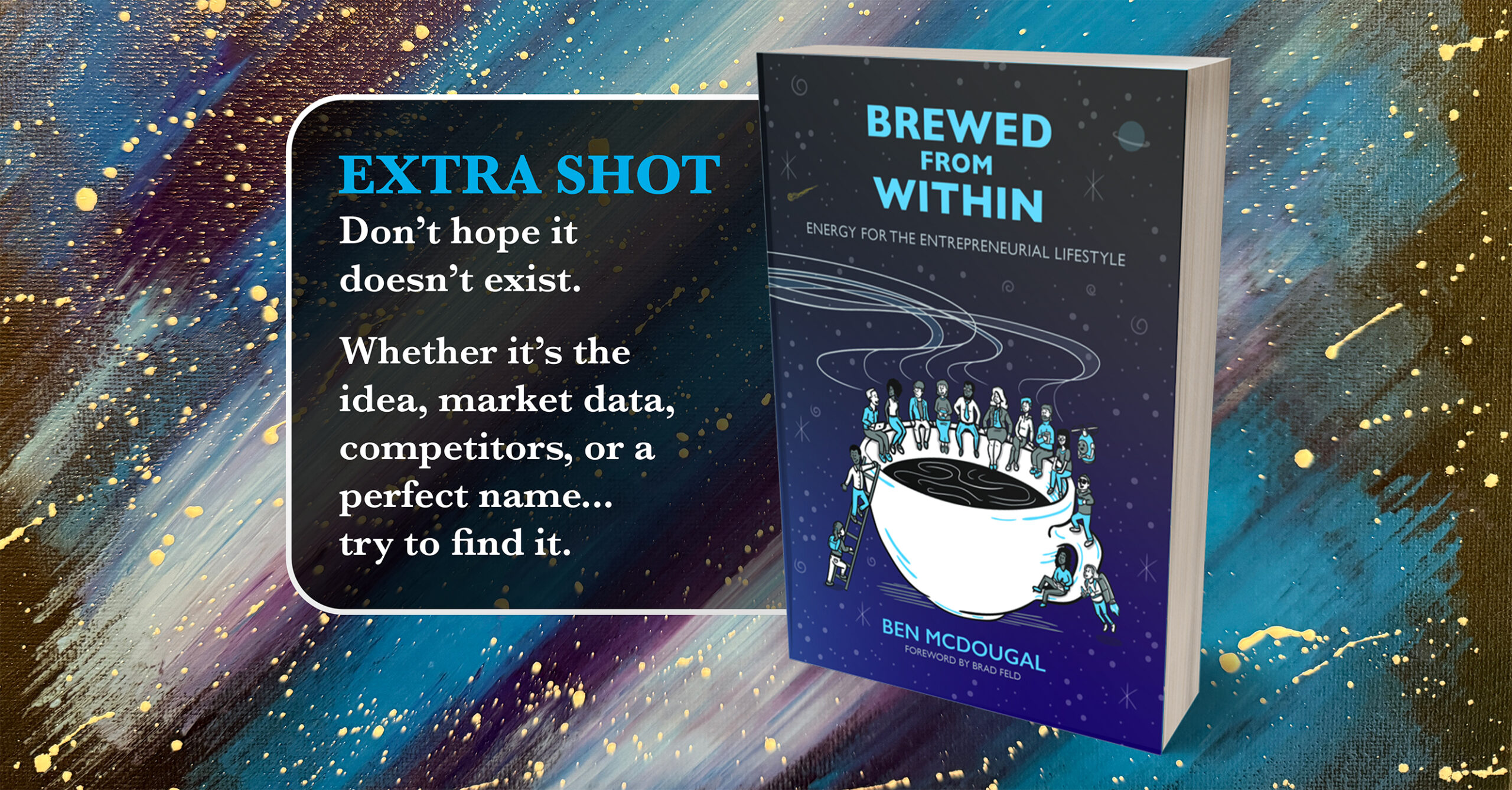
Extra Shot

Welcome to your first taste of a new community-driven initiative that will feature special guests sharing occasional contributions. Interested in collaborating? Let’s chat!

When we think about work that feels like play, it’s not just pinball all day. The definition of “fun” is to spend time doing an enjoyable activity. When a team has fun with satisfying work that matters, the group’s true potential is unlocked and individuals are more likely to become indispensable. This leads to more generosity, laughter, caring, scientific questions, learning, gift-giving, and mapmakers eager to go beyond what’s expected.

A recent study identified 16 trends that are shaping the future of work. It found that, in addition to more flexibility and fair wages, employees want greater autonomy. Employees want the freedom to be creative and to find purpose in the way they spend their time. When this balance is achieved, people are happy and the sense of satisfaction allows them to do their best work. Along with more innovative productivity, this culture also leads to lasting retention.

As today’s workforce is transformed into tomorrow’s playforce, it’s important to consider the difference between work that feels like play, compared to work with playgrounds nearby. When fun activities only serve as a distraction, the facade of fun will wear off. It’s also good to remember that what’s fun for one person could be more of a chore for others. Personality assessments and ongoing interactivity will help you understand individuals and the part they play within the system. The better people know each other, the more inclined they’ll be to act themselves. Acting professionally shouldn’t mean dimming one’s personality. The more comfortable people feel at work, the better they’ll be able to focus on what’s important. Too often, attempts to optimize employees’ work-life balance stem from a flawed assumption that we must create boundaries to differentiate life and our work. Perhaps the opportunity and the future of work, is to create an experience where the two coexist as one?

Extra Shot

This caffeinated contribution was written by Elizabeth Tweedale. Elizabeth has (co)authored six books, exited an AI company called GoSpace, and is now the CEO of Cypher Coders, the UK’s leading coding school for children. She’s passionate about family, preparing kids for the future, and can be found in our Roasted Reflections group.

If the future of work is fun, we must guide children away from an outdated “workforce” and toward a “playforce” to activate creativity, productivity, satisfaction, involvement, and purpose. The world is their playground and no permission is needed to contribute. Education can be about delivering access to skills, tools, and community. When children are encouraged to connect, play games, be kind, and learn with passion, they engage not because they have to, but because they’re having fun. This empowers students and as they reach the playforce, they’ll understand the superpowers they’ve nurtured in their own areas of interest. Beyond the classroom, this translates into employees and employers who are more likely to enjoy their work when given the opportunity to do what they’re best at.

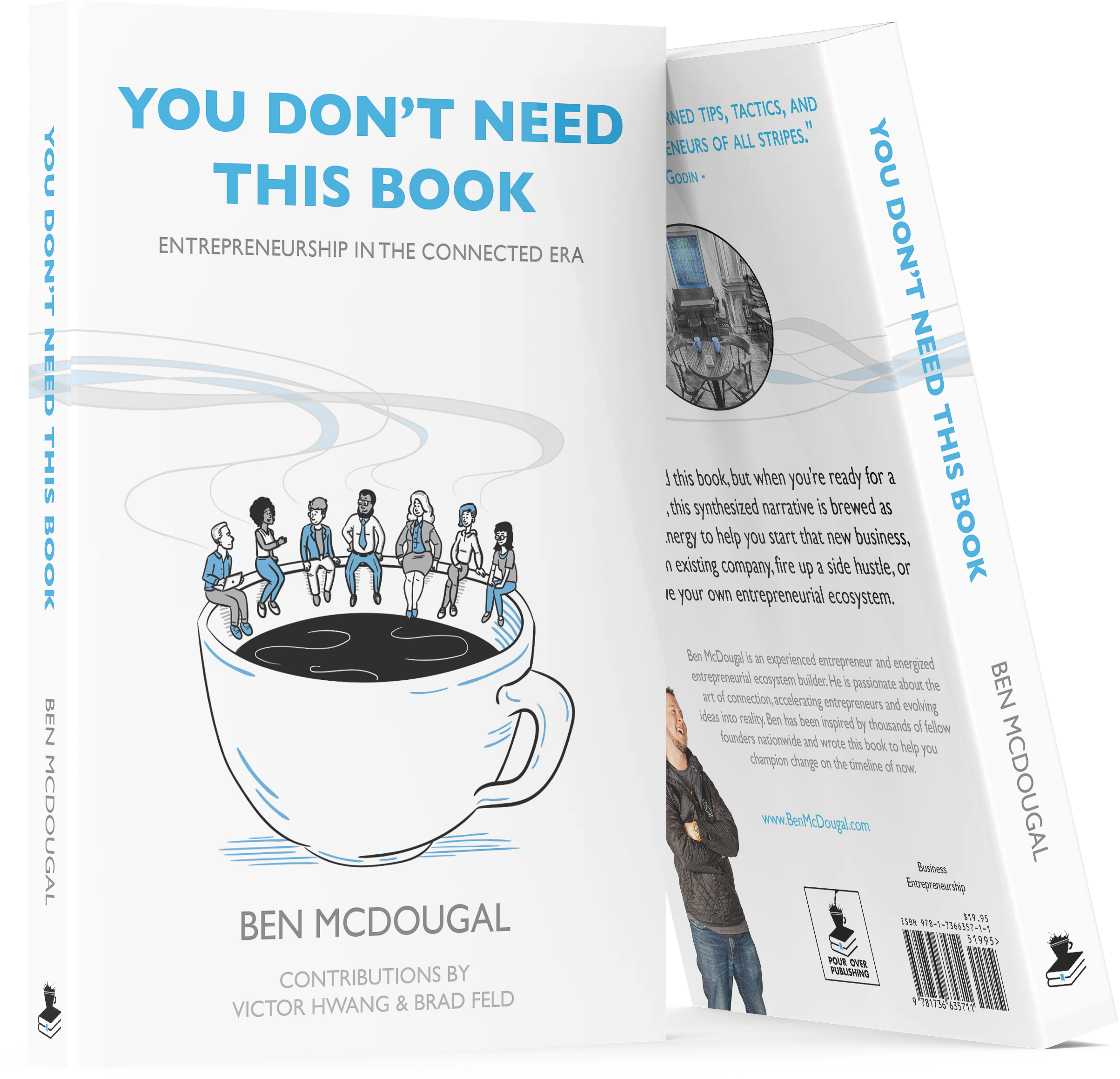
As we see/hear in the closing chapter of YDNTB, “life is too short not to enjoy your work.” Together, let’s change the equation to make work a lifestyle, which sets us free to have fun making a difference.


By Ben McDougal, ago

First in Line

There’s something special about being first in line.

Being at the front of a line means you’re committed. You’ve made some form of sacrifice to ensure you’re first to experience something you care about. The unknowns of arriving in time to secure this coveted spot requires a concerted effort, but a sense of pride materializes when everything goes to plan. When was the last time you where first in a long line? My hope is that the wait was worth it!

Extra Shot

FliteBrite is bringing our beer festival app out of hibernation. Here’s the line that inspired this week’s writing.

When I think about being first through the lens of innovation, first in line is not such a desired position. Being first gives entrepreneurs a chance to take an early lead, but early leaders don’t always win in the end. The headwind is strongest when you’re in front. When your art involves creating something the world has never seen before, enthusiasm from early adopters is often met with pernicious friction. One common source of friction is the almost endless time spent educating the prevailing market. This protracted process wears on even the most resilient and exhausts resources every step of the way. Along with frictions that come with being first, without any clues from past success/failures, it’s harder to avoid potential pitfalls as well.

There’s value in a head start, but the early market leader often falls behind the innovation curve. Please, never hesitate to forge into the unknown, but remember that when you lead, others will always be chasing you. If you’re building in front, stay ahead with epistemic humility, a challenge network that invites you to be wrong by avoiding groupthink, a genuine desire to accelerate others, and bold leadership that allows intrapreneurs to stay wild. If you’re the one chasing, which is far more common, you’ll need to be innovative to find product-market fit, but it’s nice knowing there’s an existing path with fresh opportunities to champion change in an existing environment.

Alright, let’s add some sugar.

What if we don’t have to be in the line at all?

The front of any line may be a traditional way of getting ahead, but this requires time with no guarantees and you’re still relying on some else to let you in. If this activity is something you really enjoy, be conscious of how business can sometimes kill your passion, but there’s usually a way to be less of a spectator by getting more involved. One way to do this is by combining your creative skills and an entrepreneurial spirit to wedge yourself into the experience itself. This requires initiative, but volunteering, building into a side hustle, or using content creation skills can quickly become your ticket to skip the line all together.

By Ben McDougal, ago

Early Moves

So you have a business idea you’d like to explore? Yes!

It’s easy to say “Let’s gooo!” but when you say yes to something, you’re also saying no to something else. This is opportunity cost, so be strategic with your early moves. Before you go too far, remember that an appropriate “no” early on is better than a long, wrong “yes.” Let’s explore how to decide what ideas to activate and how to help them bloom.

Extra Shot
Things you dedicate time to will grow.

It takes discipline, but time alone with any idea is a good way to avoid swinging at bad pitches. Dig into online research before going too far. Determine what related products or services already exist. Run some numbers. Talk to potential customers and see if you can snag a few preorders. The goal is to understand the realistic impact you may be able to make in the market by confirming it’s something strangers are willing to pay for.

If you start to feel genuine interest, talk with others who may be interested in collaborating. Think about your own skills to identify where you’ll need help. Attend related events to further qualify early concepts. Even if you’re not ready to share details, the readiness to Show Up and #GiveFirst often leads to new allies who can connect dots as you continue working through ideation, team development, research, and testing.

Before you go much further, take a pit stop with your future self. Is this a business/market you want to work on for the foreseeable future? If you like to quilt, it doesn’t mean you should start a quilting business. The hardships that come with being a business owner can actually kill your passion. Dance with all your ideas, but recognize when something should remain a hobby.

Early moves are exhilarating, but there’s value in being efficient as you decide if something is going to work. If this evolving business idea continues to touch your heart after internal and external analysis, you may have something ready to pursue! Inspiration is perishable, so when this happens, be ready to take action. As you do, stay patient. It’s not how fast you move, it’s that you find ways to keep moving. Avoid the headline trap and find lasting energy knowing that even hints of progress can nurture an idea toward reality.

As you continue moving forward, think big, but remain realistic by doing one thing really well. Stay intellectually humble and welcome doubt by working with others and be ready to iterate quickly. It often takes many versions of an idea to land on something ready for the wild.

By Ben McDougal, ago

Content Creation: Graphic Design

Graphic design brings everything together. Multimedia marketers use graphic design to transform raw content into branded stories. A powerful position awaits entrepreneurs who combine graphic design with other multimedia marketing skills.

Extra Shot

YDNTB just received another big endorsement!

When it comes to learning graphic design, first find software you like. I prefer Adobe Photoshop, but Canva is a free option that’s grown in popularity. As you explore graphic design software, you’ll learn a lot just by tinkering. Simple effects like backgrounds, banners, borders, gradients, and text overlays will soon become child’s play. These everyday enhancements strengthen the continuity of your content creation. You can also watch tutorial videos or take a class to go even further, but for most busy entrepreneurs, the basics are enough to make the marketing message more consistent and thus, easier to connect with an audience.

The ability to bring your own ideas to life saves time and money. The time saved from less creative collaboration can be spent delivering more content. The money saved can be used to push stories further. Fewer cooks in the kitchen also makes pure brand alignment a breeze.

Extra Shot

My go-to resolutions for photos/graphics I plan to share throughout social media, is 16×9 paired with a complementing square version.

As you build new projects, maintaining brand alignment must become second nature. To achieve consistency, use the same colors, fonts, and logo pack for every project. If you’re a lone wolf or working with a small team, a dedicated document to highlight brand guidelines will help maintain long-term alignment. A more official document with assets and guidance on how to use everything, often called brand guidelines or a brand kit, will add increased value the more different designers interact with your brand.

This rigidity can feel less adventurous and even lazy for true creatives. If that feeling creeps in, think of brand guidelines like skipping past the small talk. You now have more creative freedom to mix up the story! This combination also makes stories more remarkable. The added variety keeps things interesting, while the consistency avoids brand confusion.

Be distinctive with graphic design, but stay consistent to the aligned narrative that sets you apart.

UP NEXT: Skill #5 – Creativity

By Ben McDougal, ago

Content Creation

Over the next few weeks, we’ll explore six multimedia marketing skills to make students, entrepreneurs, side hustlers, and intrapreneurs dangerous.

Skill #1 – Writing
Skill #2 – Photography
Skill #3 – Videography
Skill #4 – Graphic Design
Skill #5 – Creativity
Skill #6 – Organization

Before we begin this series, which can also be found in You Don’t Need This Book, let’s start by examining the impact of content creation. When it comes to marketing, content is the currency used to earn attention. As attention is earned, content becomes the instrument to share stories with people who care.

Telling your story is easy, but doing so without becoming too self-serving takes practice. If your voice always sounds the same, it will pave a one-way street. Instead of always pushing content, curiously pull from your audience. Be inversely charismatic and socratic by asking sincere questions and leaning into motivational interviewing habits. Actively listen and interact within these absorbing conversations.

Don’t be afraid to spread the word, but limit your storytelling until it flows into the discussion. When your stories add value within the context of an existing conversation, your narrative will be more appetizing.

Extra Shot

Listening, sharing, and learning from stories is how humans communicate, work together, and evolve. When applied to marketing, the narratives we share connect us to people who help us succeed.

In the information age, content is available and consumed in infinite ways. This makes attention scarce, so stories wrapped around remarkable work becomes more important. Consistency is huge, but adjust content for environments that work in your industry. Aligned, yet diversified content will optimize how the world hears your story. Formulating a combination of text, graphics, photos, audio, and video will give you an edge. Consider what content gets noticed and compare that to how hard it is to produce. No matter where content lives, make it clear why consumers should care.

As content creation continues, encourage organic engagement that can translate into repeatable conversions. In the connected era, the easiest way to do this is online. The nice thing about digital content is that it’s used in so many ways, yet it’s the easiest to create. Even if it’s taking small steps at first, it’s worth learning how to create your own content. Multimedia marketers can forge content that is quick to digest and made to share. This allows ideas to spread. You win if people share your story, so let’s make it easy.

UP NEXT: Skill #1 – Writing

By Ben McDougal, ago