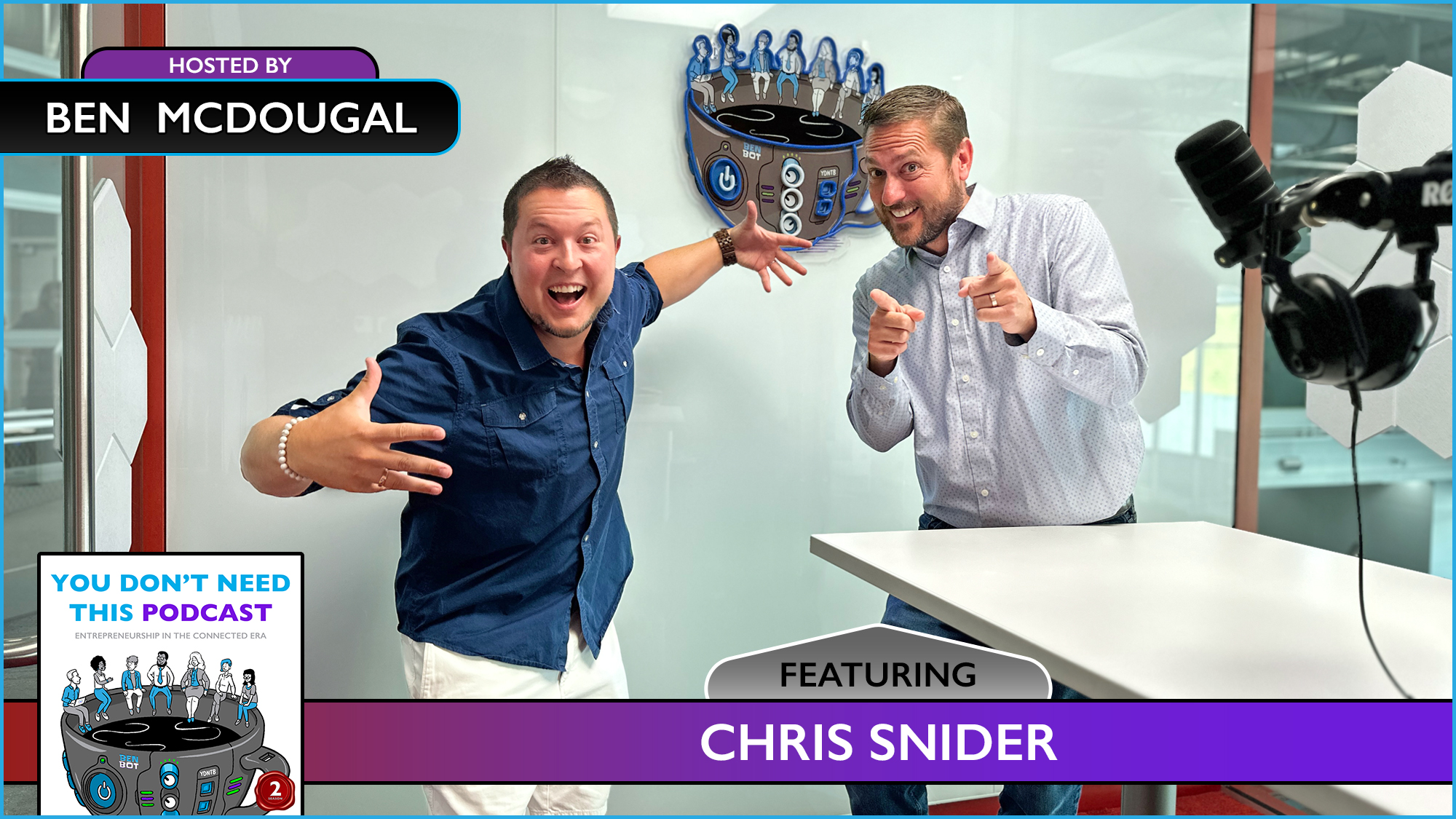
When are ya gonna start that podcast?
We all have stories to tell and wisdom to share. Translating the key knobs that are turned when creating content, writing a book, recording an audiobook, minting an NFT collection, and installing conversation AI have inked insights that are very valuable to have indexed.
This detailed guide goes behind the scenes of You Don’t Need This Podcast and delivers a friendly narrative brewed to help you pursue your own podcasting ideas!
If you’ve wondered how someone says “yes”, then proceeds to build a pro-grade podcast and records 52+ fascinating episodes in just 3 months, refill your mug, strap on a seat belt, and enjoy the ride.
Why + Who + Value
Like any new initiative, think and talk through why a podcast is something you want. If you could snap a finger and have a solid collection of excellent episodes available everywhere, what would they be about? What might be the format and how does each episode sound? Who would listen to your podcast, how would you get the target audience to follow along, and overall, what value can you consistently deliver the audience you seek to serve?
It’s not hard to start a podcast, but it will require extra gears and lasting commitment to deliver art beyond your existing network. Don’t let mental hesitations become too heavy, because you’ll either succeed or learn, but there’s underlying value in being realistic with something that will require time, thought, money, resilience, and even more time. Anyone can buy recording equipment, find a space, push record, and throw audio files into a podcast hosting platform. Clarity comes when you collide your why, who, and value against the opportunity cost of saying yes.
Decisions
This is not a race, it’s a dance, but ambition fades and holding on to desire invites unhappiness until a future state is achieved. This means there’s value in making decisions.
As you work toward an answer, to snowball trust with consistency, determine your target duration for each episode, as well as, an obtainable cadence for releasing new episodes. For me, the ambitious task of shipping a brand-new episode every single week felt heavy, but within reach. I also took on the challenge of tightening each episode to only 30 minutes. Longer formats are cool too, but as a listener, ~30 minutes feels about right, even for busy listeners with short attention spans.
I’ll share how to facilitate interesting interviews in the Execution section below, but in short, building creative pieces to my own forever puzzle looks like work to some, but feels like play to me. This was something that could be built with care, so I first called it an “experiment” and then a “creative season”. I take pride in making nice look nice and I knew this was going to be a serious undertaking, but calling such exertion a “creative season” reduced the weight compared to this new podcast being my latest project or new venture. I was okay if this didn’t work out, but also knew that it would, so twas time to press PLAY.
Artwork
Before you fall in love with your own ideas, look for podcasts that may be similar to what you have in mind. Explore related genres, listen to different formats, and save yourself from a taken title that may cause future tension. Before you select a title, review the content guidelines for each podcast platform. They are generally the same, but there are a few difference between popular podcast platforms like Apple Podcasts, Spotify, YouTube, iHeart, and Amazon. Fortunately, the podcast hosting service (which is described in the Groundwork section) helps make efficient distribution easy.
Okay, so as you consider the name of this podcast, it’s wise to avoid the fog that rises when we build akin to existing art. Unknowns will reduce your confidence in building something you value. A perfect name feels important, but who else thought it was perfect before you? When it comes to this early research, don’t hope something doesn’t exist. Try to find it!
Extra Shot
I made this noob mistake! It felt like “Roasted Reflections” could be cool, but also confusing when my written library and NFT collection share this accomplished name. There were other interesting title ideas, but “Caffeinated Conversations” also felt perfect. Instead of being brave enough to find the handful of podcasts with the same title and a few more established YouTube channels, I began building with this working title. A few weeks in, I was scheduling special guests and even started recording with this title front and center. Thankfully, a decision was made to change the title to “You Don’t Need This Podcast”. This meant I had to spend time shifting the title, but also listening and dubbing over a fair amount of mentions in the early episodes. The pain was worth it though. Ever since this early move, I’ve loved the freedom my own art has to grow.
To start, jump out to Apple Podcasts on your computer or iPhone. Try Spotify if you’re an Android fan. Search your title ideas and click beyond the first page of results. Look at all that comes up! The world is not lacking podcasts. With 3-4 million podcasts, it’s imperative to understand the existing landscape while staying humble in your goal setting. If you’re trying to go big, time with an IP attorney adds additional safety nets as well.
Alright, so with a solid genre, title, and vibe in mind, have fun creating visuals to represent your podcast. Like cover art for a book, the quick look for a podcast matters. Think how fast you scroll! The cover art that represents your podcast should look it’s best as a small square thumbnail. You can design differentiating depth into your podcast’s branding, but less is more when it comes to the primary artwork for a podcast. The first cover art concept for YDNTP had more text and smaller graphics. Thanks to feedback from others, we landed on a cleaner look that was all it’s own, but also strategically connected to You Don’t Need This Book., which is my book that was published by Pour Over Publishing in 2021.
There will be increased marketing needs as things progress, but there will be time for that as this idea evolves into reality. With an early identity for your podcast in place, it’s time for groundwork to connect a few primary pipes that will become the automated distribution engine.
Groundwork
Like a name and logo activates a sense of reality for a new startup, you feel energized by this progress. Use that momentum to get nerdy. Like nesting a home for this creative season, plan details and setup a few key podcasting tools.
If you’d like to follow the path I took, start with the primary place where your podcast will live. There are many great podcast hosting services, but Libsyn has served us well. Libsyn pricing is based on the size/hours of content you upload each month. This allows you to pay less and grow into more resources, so budget $5-$20/mo. for this important homebase. This is where your podcast lives. As you compile each episode into one audio file (.mp3 is most widely accepted), you’ll start by creating a new episode in Libsyn. This homebase will also provide interesting analytics and other features that can enhance your effort.
Extra Shot
Use our Libsyn promo code for your first two months free – YDNTP
Now it’s time to align. Libsyn will help establish many RSS connections to the major podcasting platforms, but you’ll need to compliment these easy connections with related accounts. For instance, here’s an Apple Podcasters Program Overview, which has links to account setups that completes the loop between Apple Podcasts and your primary feed from Libsyn. Many podcast players have a submission form for podcasters, which you’ll need to complete so each podcast can be automatically heard as it’s scheduled and published in Libsyn. Once again, the primary podcast platforms I made sure were online before we launched, was Apple Podcasts, Spotify, YouTube, Amazon, and iHeart.
There’s a lingering question. Even after a few primary distribution channels are aligned, where do you want listeners to land? It’s easiest to just share direct links to a podcast platform like Apple Podcasts, but that’s traffic you’re generating without much ownership. This is your art and I’d suggest having a branded URL that takes most people to a place dedicated to your podcast. YouDontNeedThisPodcast.com forwards to an internal page within a larger environment that is BenMcDougal.com. This allows anyone to stumble into YDNTP, but more important, I have one link that takes everyone to the same place. I manage this podcast page so while it may not be Hollywood, I’ve worked hard to invite someone to stay awhile. I like to think the most rich experience would be starting with EP1 and listening all the way through, but it’s nice to let people choose an episode to try just by seeing a few quick details for each episode. Knowing many people follow podcasts on their own favorite platform, having links to where you know your podcast is listed is also a key attribute of your podcast’s evolving command center.
Featured Guests
Many podcast hosts invite special guests into the mix. More shared perspectives create diversified value for listeners. It’s also a community-driven marketing tactic, as new dots can be connected between different people’s trust channels.
In tandem with early artwork and pipping groundwork for the distribution engine, use a scheduling tool to make booking guests smooth. Different podcasts hosts were using the same studio I was in, so we used Google Calendars to keep our studio time organized. I then used Calendly as the front-facing experience for my invited guests. A good looking, shareable Calendly link could be included in a friendly text or emailed invitation. As guests secured their preferred time, I kept the scheduling organized.
This was a juggling act, but with a few online tools, it was a passable test. With my small booking system connected, I kept inviting more remarkable people to plug in. Any invited guest could select a time from their own device. With my recent 3-month podcast recording blitz, I chose to dedicate 3 hours every Wednesday. I would attend 1 Million Cups downtown, and with the podcast studio nearby, I would scoot down to get setup for back-to-back special guests and two separate episodes. I would have given myself a bit more space between the two guests and this turned into a being lot some days, but the basic structure was helpful. There were many one-off recording sessions outside these set times each week, but this consistent block made it easier to juggle and kept space to pack in more episodes along the way.
The nature of you engaged network is often the wild card when it comes to curating special guests for any podcast. I had stitched together transparent technology to leverage my own real skills, then began introducing the fun to strategically remarkable people. These forever friends and ecosystem allies were all able to translate timeless insight from all that is entrepreneurship in our connected era. I share this not to boast, but to mention the anomalies of this wild path. Also, to thank each one of my special guests who make every episode of You Don’t Need This Podcast so compelling. If your engaged network is still growing, you may need to slow down on trying to schedule guests. This brews room for better connections and reduces the slimy transactional vibes of an ask that feels one-sided. People’s time, experience, and willingness to share is valuable. Like writing a book that started many years before an author writes it, network and human capital is invaluable when it comes to naturally curating, hosting, and celebrating featured guests.
Equipment
Find a space that vibes. Ideally it can remain the same to build consistency into the listener’s experience. If you’re inviting special guests, this should be a public place. While you can combine a few key things to build your own studio, there may also be existing studios to get started faster. This may become trading time for money, but if you’re serious, this can motivate you to use the time wisely. If you decide to consider renting a studio, be ready to start scheduling recording times. Explore a few coworking spaces and ask about podcasting with local entrepreneurial support organizations if options aren’t obvious. A professional studio is not required, but it was really nice having a friend, a savant from radio/podcasting/PR, and a partner on the equipment.
Extra Shot
Special thanks to Justin Brady for prompting the ambitious initiative that evolved into YDNTP. Justin, your friendly reminders to feed listeners with value, your impactful articulation of trust channels, an opportunity to share space with the Iowa Podcast network, and your experiential wisdom was significant and motivating.
If you build your own recording rig, do your own research on different options. Be bullish on quiet, soundproofing areas with enough room to host thoughtful interactions. Here’s a quick list of components that feel required:
- Laptop
- External Hard Drive (3TB+)
- 4-6 Channel Mixer
- 2-3 quality microphones + mounts
- 2+ Headphones – not required, but good for quality control and definitely more rockstar.
- Soundproof Space – as much as possible
- Video + Lighting (optional, but recommended)
- Even with no plans to edit footage, you can’t use video if you don’t shoot it. Go big with multiple SLR on tripods, but one small action camera on each guest may do the trick. If video is a part of the plan, include good lighting for each guest. Like rich sound for the podcast, lighting makes video look it’s best.
Execution
In the studio, everything comes together.
With all that goes into podcasting, these are the moments hard work is rewarded.
AM radio vibes are felt between people intentionally having a stimulating conversation brewed to share. Before each episode, I spent time forging a few prompts for each featured guest. I emailed conversation sparks to help people arrive ready to jam. They included when and where to arrive, shareable links for the podcast, estimated release dates, and a catered outline for us to reference during our time together.
I’d arrive early to setup the studio. With headphones hung on each mic, I’d pour ice water and hot coffee, then lay out a few small thank you gifts. I reviewed the conversation sparks and brought up relevant links that may come in handy during the discussion. As you’ll hear, BEN BOT installed a fascinating #ChatUX twist into the YDNTP experience. This is conversational AI was trained on the entire Roasted Reflections library. This creative twist was kind of a joke, but it did add some cool hints of remarkability. Instead of a third human in the room (which adds a pleasant depth to interviews), BEN BOT contributed occasional insight that was engrossing and amusing to riff with.
As special guests arrived, they appreciated the professional setup and really leaned in once their headphones went on. We’d warm up by catching up, then I would go over the basic format, timing, and answer any questions.
When flow was felt, I took a deep breath. I had always planned ahead and I knew my guests well, but we never knew how any episode was going to go. In that micro moment, I’d come up with my unscripted opening remarks. The big red record button was pressed. We were ON.
Extra Shot
The closer your podcast is to a single take, the less editing is required during post-production. While YDNTP was not live streamed, it was two single takes with almost no editing within each conversation. Wow!
As the host, you must bring your best and guide each episode. This does not mean you dominate the discussion. It’s actively listening to fuel inverse charisma. It’s being quick to expand on ideas, but also keep topics shifting. No matter the target length of a podcast, time will fly. It’s actually easier to have longer episodes, so while conversation sparks were extra work and not required, they always helped us take flight, popcorn value, and then land in style.
After the mic was dropped on each episode, a bit more inventive effort was required to create assets that could be used to promote each podcast. Photos are awkward, but everyone likes having them, so these goofy gifts became a fun finish after cherished space was shared. These collisions are now minted through a conversation that is destined to be art, but only when it ships. It’s time to stitch together deliverables, sequence the launch, have a plan to keep building, and developing different types of momentum with contagious self-belief.
Sound Engineering
Composing something you’ll be proud of for life is usually challenging. Different types of capital are also required to go the distance.
Up until now, the excitement of something new, a hope that’s felt in saying YES to adventure, securing a studio or recording equipment to execute the plan, and recording good stuff with people you respect has been thrilling, but purpose will be lost if you’re unable to ship this art.
It’s not advanced audio engineering, but you won’t have podcast episodes to upload if you’re unable to keep a growing amount of raw audio files organized, originate a royalty-free soundtrack that adds juice, maybe design areas to highlight sponsors providing financial support, and polishing everything for an eargasmic experience.
There are tools to do this yourself, but the ongoing editing of new episodes for any podcast can get heavy. There are also podcast editing services where you can expect to invest $50-$250 for each episode, but that adds up fast, especially when you’re experimenting with something that may not have money to burn. If financial capital is tight, get creative with the other six types of capital (intellectual, human, institutional, physical, network, and cultural) to find partners who embrace the vision as much as you do.
It’ll take time to find a groove within a shared workflow, but as you consider an ongoing collaboration, when a new episode is recorded, what will the process be for sending large files? How might show notes add efficiency/accuracy when the podcast is being edited by someone other than you? How will the final version sound and what are average turnaround times? Linchpins build without a map, but good communication up front gets elephants in the room. Agree that surprises will come, but when everyone is motivated, incentivized, and understands expectations, lasting partnerships exponentially extend what’s possible.
Extra Shot
After considering a few different directions, I was blessed to reconnect with the talented sound engineer who polished the YDNTB audiobook back in 2021! The raw audio quality was excellent, but another special thanks goes out to VYBBEZ. This was my wizard behind the curtain of YDNTP’s therapeutic sound. Based in LA, this artist a hip-hop musician, songwriter, and producer. While he’s tickling the keys of a piano for many chart-topping groups, his first full-length album, Black Souls, was released in 2023.
Partnering with a talented friend to produce a finished podcast was critical in making YDNTP feasible. It took an ongoing effort to organize large files and time to review/tweak on each episode, but we pushed through all 52+ episodes. Along with getting the first few episodes scheduled before we launched YDNTP in June 2023, we stayed ahead of the release schedule and eventually a flywheel effect delivered all 52+ podcast episodes, each beautifully remastered and ready to sequence!
Snowball Marketing
When you have 5-10 episodes ready to be released, you’ll have enough propulsion to launch loudly. There’s no rule that says you must stick to a planned release schedule, but humans are creatures of habit. If your podcast hits the ears of someone who like it, attention will fade fast if you stop delivering fresh content. Unless you already have a large audience, consistency is needed to snowball awareness (and analytics) that will help podcasters decide how a podcast should evolve.
Stabilizing a podcast so awareness can grow often takes at least six months. If you’re willing to push to hit milestones, you’ll start to realize the true potential of a good podcast. A few cool episodes are fun to have as part of your overall content creation, but podcasts are mighty when there’s a shared interest curated between the host, special guests, and the audience. Make your podcast easy to share for listeners, but organic virality occurs when your special guests are inspired to share their episode of a podcast. To fuel this flame, deliver clips made for social media and keep them updated as their episode is scheduled. Trust is unmatched when a friend shares something with a friend. The more excited special guests are to share their episode of your podcast, the deeper and faster word can spread.
Sequencing episodes keeps a podcast diversified, interesting, and timely. Generous storytelling that resonate with the right audience at the right time is what marketing is all about. There’s always more to do, but as we connect dots with each episode, a snowball effect can occur. A growing library of marketing materials and more followers will help ideas spread, but professionals play the long-term games. It’s hard to find, let alone regain momentum, so stay honest in what you’re trying to deliver with a podcast. Keep the promise by delivering value long enough to understand if the abundance of time spent is worth pursuing another creative season.
V1.0 - 100% HUMAN