Fourteeners

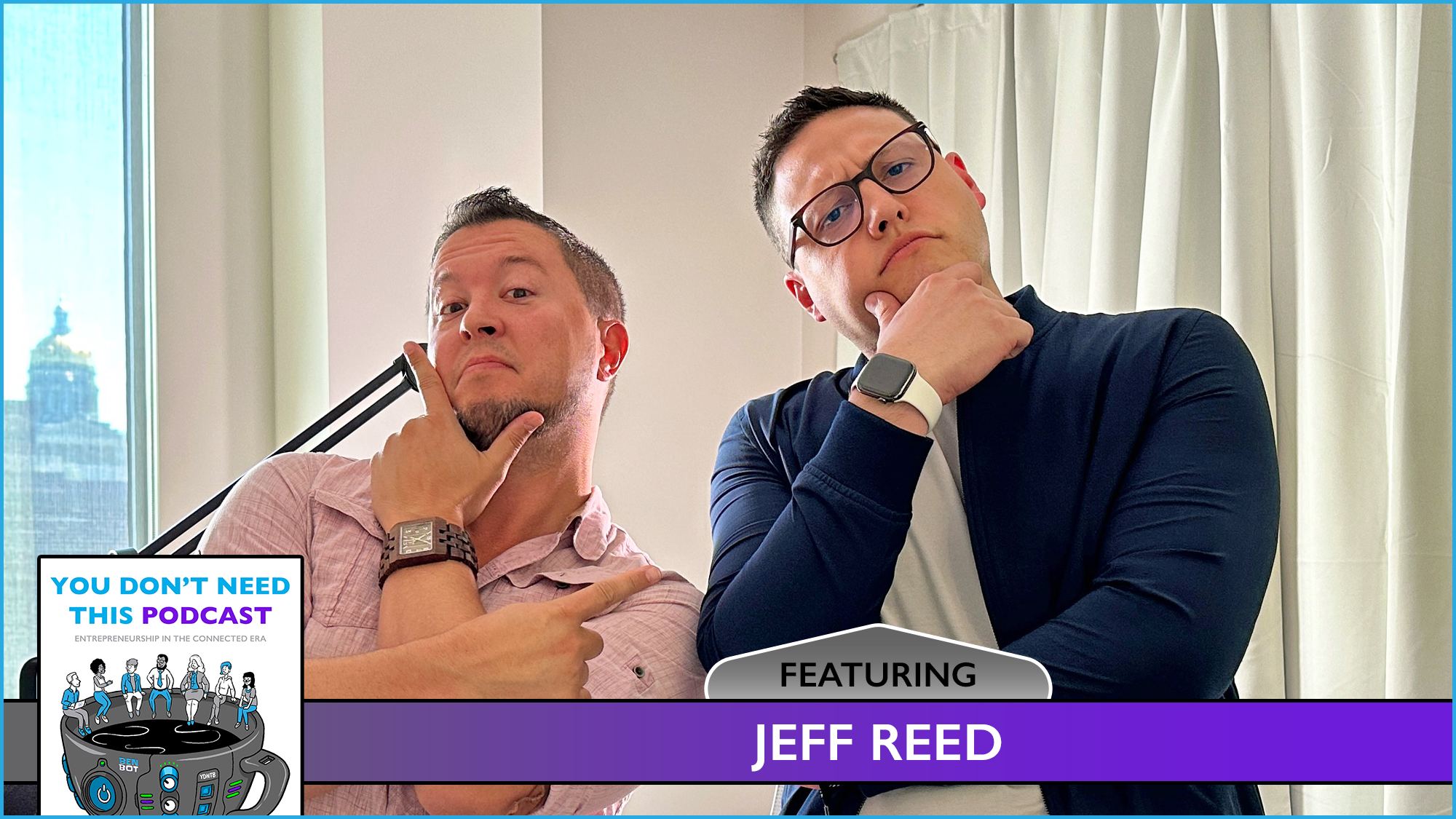
Jeff Reed is a problem solver who uses the art of connection to design the future. Awarded 2023 innovation ENTREPRENEUR of the Year, Jeff is a caring leader who is fueled by the unmatched energy of accelerating others. This elevated episode will make you feel like you’re on top of a mountain as we discuss idea navigation, design thinking, mentor madness, long-term content creation, and hiking the finite journey of life.

LISTEN on APPLE PODCASTS
LISTEN on SPOTIFY

By Ben McDougal, ago

Real Skills

Talent is natural.
Skills are learned.

Instead of abstracting, even nerfing the value of what makes us indispensable by using terms like soft skills or power skills, “real skills” invite the new reality. Knowledge, action, and persistence are still required, but real skills help us connect, communicate, and collaborate as we pursue peculiar work fueled by significance in our connected era.

As Seth Godin writes about, real skills help students, founders, intrapreneurs, and people-centric organizations activate humans working toward shared understandings. This updated term removes the optional vibes out of subtle superpowers that help us go beyond the status quo. To close his 2023 manifesto for teams, The Song of Significance, Godin shares this working encyclopedia of categorized real skills.

SELF-CONTROL

Adaptability to changing requirements
Agility in the face of unexpected obstacles
Alacrity and the ability to start and stop quickly
Authenticity and consistent behavior
Bouncing back from failure
Coach-ability and the desire to coach others
Collaborative mindset
Compassion for those in need
Competitiveness
Conscientiousness in keeping promises
Customer service passion
Eagerness to learn from criticism
Emotional intelligence
Endurance for the long haul
Enthusiasm for the work
Ethics even when not under scrutiny
Etiquette
Flexibility
Friendliness
Honesty
Living in balance
Managing difficult conversations
Motivated to take on new challenges
Passionate
Posture for forward motion
Purpose
Quick-wittedness
Resilience
Risk-taking
Self-awareness
Self-confidence
Sense of humor
Strategic thinking taking priority over short-term gamesmanship
Stress management
Tolerance of change & uncertainty

PRODUCTIVITY

Attention to detail
Crisis management skills
Decision-making with effectiveness
Delegation for productivity
Diligence and attention to detail
Entrepreneurial thinking and guts
Facilitation of discussion
Goal-setting skills
Innovative problem-solving techniques
Lateral thinking
Lean techniques
Listening skills
Managing up
Meeting hygiene
Planning for projects
Problem-solving
Research skills
Technology savvy
Time management
Troubleshooting

WISDOM

Artistic sense and good taste
Conflict resolution instincts
Creativity in the face of challenges
Critical thinking instead of mere compliance
Dealing with difficult people
Diplomacy in difficult situations
Empathy for customers, co-workers, and vendors
Intercultural competence
Mentoring
Social skills
Supervising with confidence

PERCEPTION

Design thinking
Fashion instinct
Judging people and situations
Mapmaking
Strategic thinking

INFLUENCE

Ability to deliver clear, useful criticism
Assertiveness on behalf of ideas that matter
Body language (reading and delivering)
Charisma and skills to influence others
Clarity in language and vision
Dispute-resolution skills
Giving feedback without ego
Influence
Inspiring to others
Interpersonal skills
Leadership
Negotiation skills
Networking
Persuasive
Presentation skills
Public speaking
Reframing
Selling skills
Storytelling
Talent management
Team building
Writing for impact

What a provoking collection of conversation starters! This encyclopedia is a guiding light for when we are being honest with our own abilities, filling gaps on the team, considering session topics for an event, or working to reform educational curriculum. Special thanks to Seth Godin for granting permission to share these real skills as they were written. Real skills are regularly updated to meet emerging demands as well.

Let’s add inclusivity, curiosity, showing up, content creation, systems thinking, accelerating others through the art of connection, identifying founder-market fit, thinking big, mindfulness, following up, pure wonder, and having fun.

What will you brew into the mix?
By Ben McDougal, ago

Significance

Most of us seek peace, love, and significance.
All can be achieved by offering each to others.

Visions, missions, and titles may help guide teams in a shared direction, but linchpins want work that matters and culture outshines even the most thoughtful strategy.

The race to revenue makes it easy to see why we’ve been seduced by surveillance, predictable profit margins, and forced productivity. Too often, the easy metrics borrowed from such compliance are the ones that get measured. This leads to endless meetings geared toward delivering information, avoiding blame, and asserting authority for those in charge. The illusion is that control will lead to predictable results thanks to a maximization of resources. The problem is: humans are not a resource.

Leaders who make a difference welcome tension brewed by those who make a ruckus. We nurture initiative, even when results aren’t perfect, which creates enrollment where enthusiasm is met with consistent action. We keep promises and our sense of abundance fuels intentional permeability that invites people to leave. We create a culture where everyone can be proud of the impact they make. Contributions are appreciated, knowing they would be missed if they were gone and the work is worth doing because it invites each human to sing their own song of significance.

Extra Shot

Are your meetings led by a few people talking and most pretending to pay attention? Perhaps it’s time to get real by inviting the team to lead together.

By Ben McDougal, ago

Hiatus

Taking a break can nourish an artist and the seasonality of the art they’re creating. A hiatus can refocus teams or provide space for a community to recharge as well, but misplaced interruptions can also become an excuse to stifle progress.

Let’s look at short breaks. For example, a moment to refill your mug, eat lunch, catch the latest episode of YDNTP, or get some sleep. When you’ve achieved flow, time away can feel like a waste of time. If a hiatus is only an excuse to avoid the work, then yes, worthless wandering is a trap and can actually devolve into a dangerous habit. When paralyzing progress is normalized, it will impact other things you actually want to accomplish. This means that even short breaks should be used to recharge your return.

What about a more extended hiatus? This could be time away, setting a project aside, or even taking breaks in a relationship. When things get tough or positive momentum starts to fade, it’s tempting to avoid reality by pushing pause. This may keep things afloat, but it’s often a lackadaisical move to avoid reality, which may include the challenges of calling it quits. If an extended hiatus is truly strategic, the time should feel restful and build confidence as rearranged resources add fresh motivation. If this time away is wasted however, a false restart can be hard to recover from and will further expose what always needed to change. If a hiatus ever feels like an excuse to dodge blame, instead of being fainthearted, perhaps the illusion of an endless break should be replaced by a determined effort to make the bigger decision.

Extra Shot
With limitless ways to spend our time, it’s easy to take on more than we should. Be careful taking breaks when you’ve overextended your own personal bandwidth.

The length of any hiatus is relevant and so are the people who decide to take the break. Lone wolves can make these decisions easier, but they may struggle to understand the whole equation without feedback from customers, mentors, and fellow community members. When more people are involved, deciding what/when/how to take a break becomes more complex. For example, if a few people decide a break is good for a larger group, this decision may come from an individual’s lack of interest or bandwidth instead of what’s best for the group.

When we feel significant, promises are kept and more people are set free to lead together. When we lead together, the limitations of some are less likely to compromise the well-being of many. This agency supports enrollment, trust, creativity, and honesty between more linchpins who collectively decide when the right type of intermissions will be most invigorating.

By Ben McDougal, ago