Fashion Activism

A movement doesn’t start with noise. It starts with intention.

Let’s cook up the ingredients for a fashion activism movement.

  1. Clear Why
    Before the fabric, before the fit—know the purpose. What injustice are we confronting? What truth are we amplifying? If the “why” isn’t rooted in lived experience or deep listening, the clothes will speak, but they won’t say anything real.
  2. Story Over Trend
    Trends fade. Stories stay. Fashion activism is about garments carrying memory, struggle, joy, resistance. Every stitch should answer the question: who is this for and what are we protecting or pushing forward?
  3. Accessibility
    Movements don’t live on pedestals. They live in neighborhoods, classrooms, kitchens, sidewalks. If people can’t see themselves wearing it, touching it, or participating in it—then it’s not a movement, it’s a moment.
  4. Co-Creators
    You don’t build a movement alone. Invite youth, elders, artists, skeptics, organizers. Let people shape the message. Fashion becomes activism when the community helps design the uniform.
  5. Consistency
    One hoodie doesn’t change the world. Repetition does. Show up again. And again. Workshops. Conversations. Pop-ups. Education. Fashion activism is practice, not performance.
  6. Courage in Discomfort
    If nobody’s uneasy, you’re probably not pushing hard enough. Clothing should sometimes interrupt the room. Make people pause. Make them ask questions they’ve been avoiding.
  7. Joy as Resistance
    Activism doesn’t have to be heavy to be powerful. Joy, beauty, pride—these are radical tools. Celebration keeps people engaged longer than anger alone ever will.
  8. Paths Forward
    A movement must offer direction. Awareness is step one—but what’s step two? Where does the energy go after the outfit is seen? Give people somewhere to walk next.

EXTRA SHOT
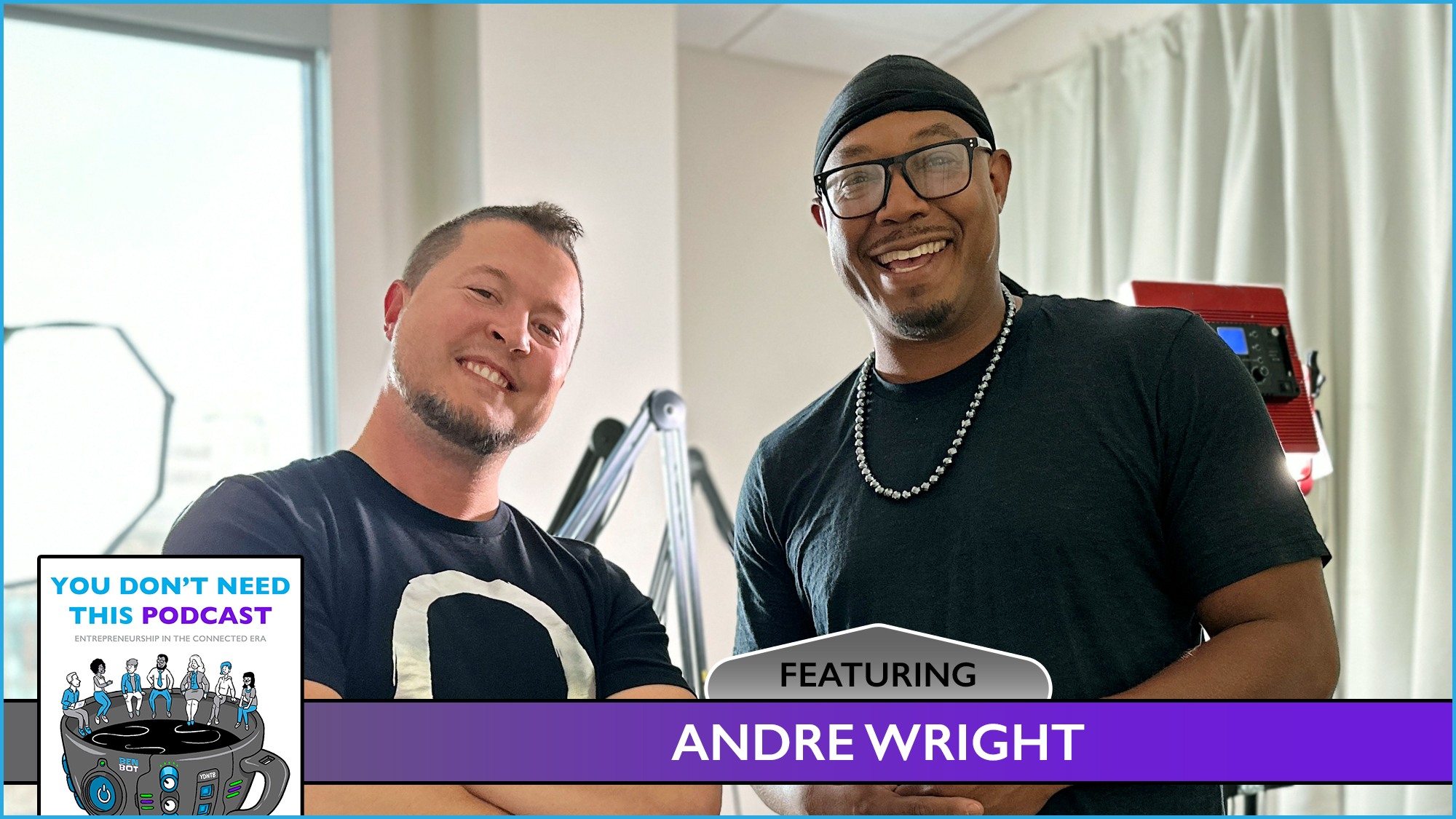
This contribution was written by Andrè Wright. Andrè is a world traveler who uses design, fashion, and art to inspire students and community-driven movements.

Fashion activism isn’t about what we wear.
It’s about what we refuse to ignore.

When clothing becomes language—and community becomes the author—that’s when a movement is born.

By Ben McDougal, ago

Everyday Activism

Power from the past keeps us moving, but effectiveness dwindles when fewer voices are heard. Fewer voices help those in power grow, but history reminds us how a lack of diversity is not only dangerous, it’s also boring. This invites the leader inside us all, to design action for change by empowering diverse populations.

EXTRA SHOT
This contribution was written by Andrè Wright. Andrè is a thinker who uses design, fashion, and art to inspire students and community-driven movements.

To thread a topic for discussion, let’s stick a few bars on the global language of fashion. Our voices can be heard, but sometimes the volume makes a message miss. The art we share online is material but can be lost in the sea of content. Efforts add up, but community requires sacrifice. Activate as much energy as possible, but clothing can also speak. What we wear tells a story. This story has many characters, each playing a role in how we feel, think, and act. What we wear either hides or magnifies our mode for that moment. Fashion makes each outfit a creative act.

To thread a topic for discussion, let’s stick a few bars on the global language of fashion. Our voices can be heard, but sometimes the volume makes a message miss. The art we share online is material but can be lost in the sea of content. Efforts add up, but community requires sacrifice. Activate as much energy as possible, but clothing can also speak. What we wear tells a story. This story has many characters, each playing a role in how we feel, think, and act. What we wear either hides or magnifies our mode for that moment. Fashion makes each outfit a creative act.

In America, we dress to impress, to feel the chill, to stand out, to fit in, to perform, to relax, or just to call it good enough. In Tokyo, streetwear is precise, with a quiet confidence, layered intention, and respect for the craft. In Seoul, it’s forward-thinking—experimental silhouettes, fearless self-expression. In Paris, style is posture and effortless rebellion wrapped in restraint. In Milan, heritage meets the edge of luxury with attitude. In Bangkok and Ho Chi Minh City, fashion is adaptive, with heat, movement, and hustle shaping design. In Istanbul, layers tell stories of empire, faith, and modern youth culture colliding. In Mexico City, Lima, and Bogotá, streetwear carries ancestral memory that shines through bold colors and symbolism. In Berlin and Amsterdam, fashion is utilitarian resistance with form following function and identity following truth. Across the Philippines and Sri Lanka, style is resourceful, resilient, and deeply personal.

Streetwear is more than clothing. It’s code. It’s both survival and celebration at the same time. These creative expressions grow stronger when paired with education, lived experience, and collaborative partnerships that invite people in. For any genre, when stories stack alongside real progress, community-driven activism can cook up the ingredients for a movement.

The right audience in the moment (timely) and over time (timeless) sets a direction for these movements. This form of group action involves individuals, organizations, and communities choosing to move together. Together, a vision becomes possible through a compelling narrative. Planning keeps the vision clear. Small, consistent actions—moves that rhyme—are what build trust, assurance, and momentum.

The movements we remember are those that create pathways: opportunities to build leadership, teamwork, and citizenship through creative expression. They don’t just inspire people; they equip them.

We each carry gifts and love people who shape how we show up in the world. That’s what makes our style, our approach to life, entirely our own. This individuality, altered by the environment, also makes us each an accouterment for change.

Everyday activism adds up. The diversity it invites keeps the work honest and interesting. Designed with an open mind and a positive-sum mindset, everyday activists form communities that create conditions where all of us can thrive.

When this happens, we develop more conscious people who can then contribute positively to their families, schools, neighborhoods, and the world—one outfit, one conversation, one shared vision at a time.

By Ben McDougal, ago

Professor X

Andre Wright is a genuine father, designer, visionary, activist, and community builder. He was inducted into the Junior Achievement Hall of Fame in 2021, with work featured at New York Fashion Week, and collaborations with Politico, NPR, Target, Atlantic Records, Warner Music Group, and Facebook.

Whether it’s Wright House, Humanize My Hoodie, or having dinner with Banksy, Andre has dedicated his life to the underrepresented. Listen as we jam on the hope for our youth, telling the story of a project to expand trust, and uniting a movement.

LISTEN on APPLE PODCASTS
LISTEN on SPOTIFY

By Ben McDougal, ago