Everyone has experiential wisdom to share, and piloting those stories into a podcast can shape a potent piece into the larger puzzle of our work.
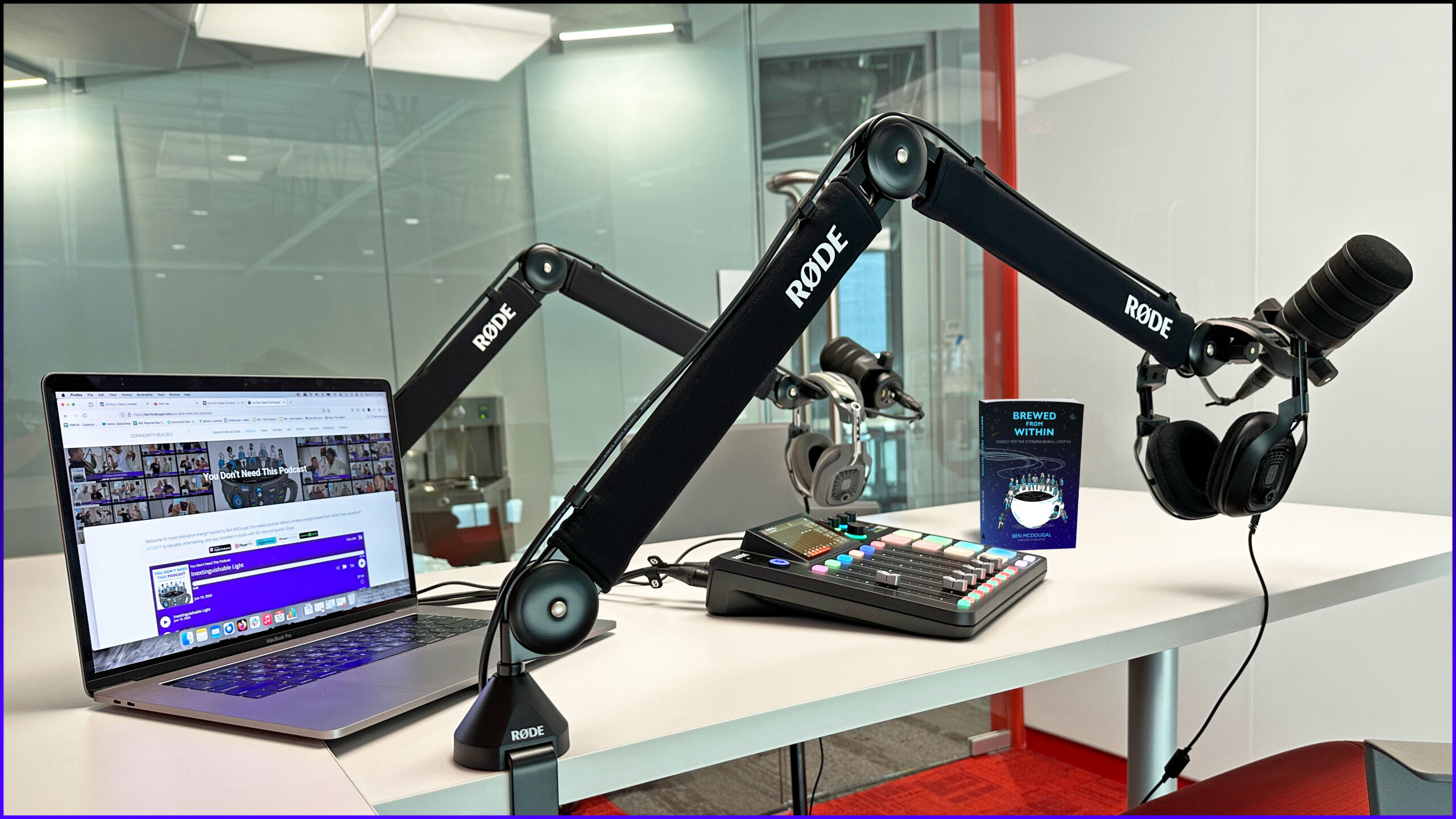
Time is the resource required to pursue a podcast. Let’s save some by sneaking behind the scenes of You Don’t Need This Podcast, which is timeless insight packed into 100+ episodes, recorded in-studio with featured guests. This entertaining achievement helps us analyze what it takes to unearth treasured time for yourself while curating rhythmic value with people you respect.
As you juggle the idea of producing a podcast, think about why this outlet is something you want. Imagine if you had a collection of episodes already available everywhere. How might they be formatted? What genres and topics would your podcast be defined by? Who would benefit most, what does success lead to, and in a scenario where nobody cares, what’s the worst thing that could happen?
Extra Shot
People without a podcast want one.
People with one, know what it takes.
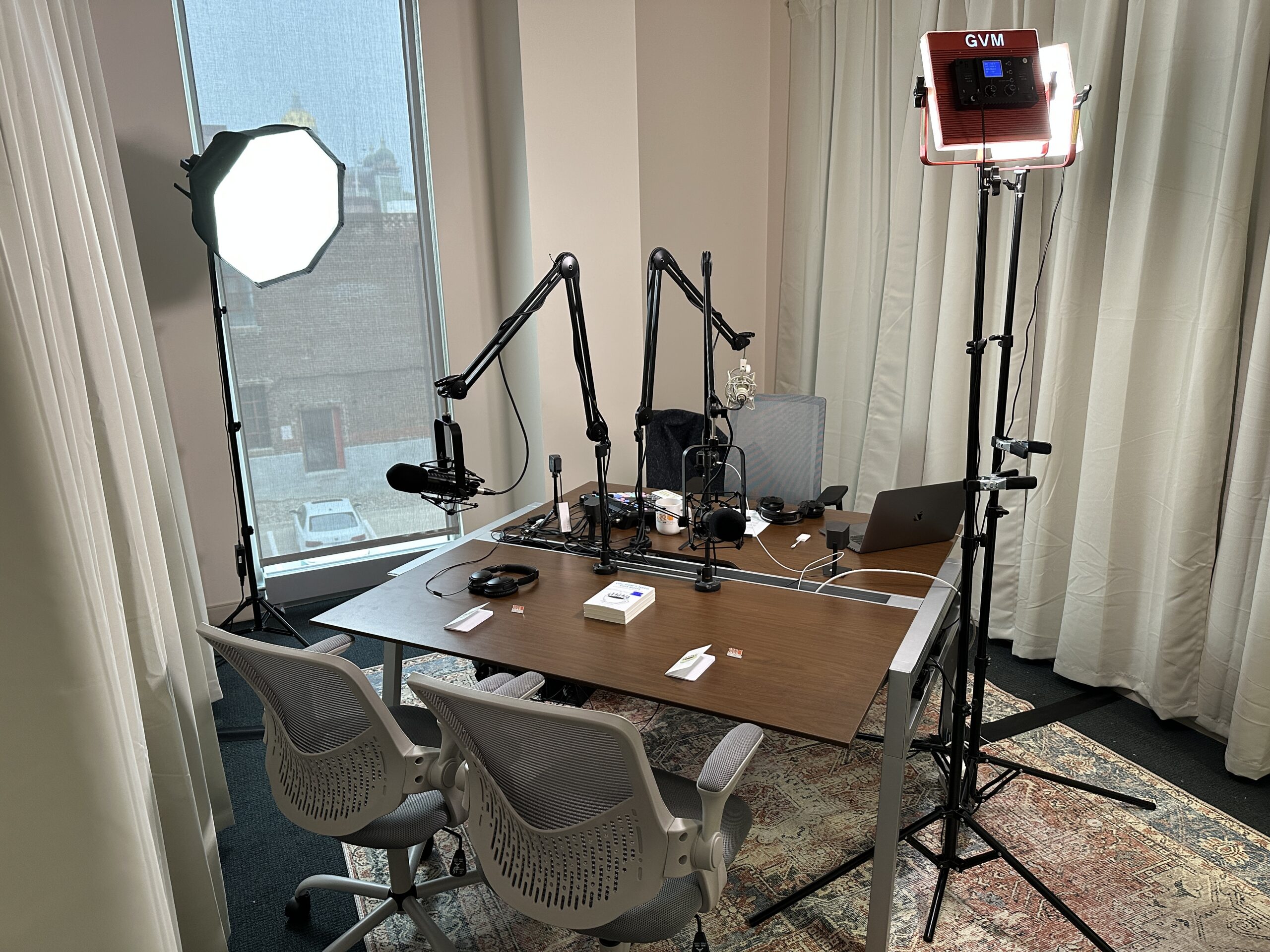
It’s not hard to start a podcast. Anyone can buy recording equipment, find a space, push record, and host files on a podcasting platform. That is one reason so many podcasts don’t go further than a few fun files. As you determine your why and feel the excitement of something new, remember that a podcast will require time, a little money, communication, systems, networking, marketing, resilience, and even more time. While opportunity cost is higher than most expect, the return on your investment can be meaningful conversations and recorded relics you’ll always appreciate.
To produce a podcast, you’ll need to orchestrate the participants, duration, tempo, branding, distribution engine, recording gear, post-production, and execution plan. Action will push a podcasting idea further than constant planning, but let’s turn each knob to prepare you for the dance.
Duration
With your why, realities, and audience in mind, determine the estimated duration for each episode. There are no rules, but the length of a podcast affects how much you can cover and what you’ll ask from others plugging in.
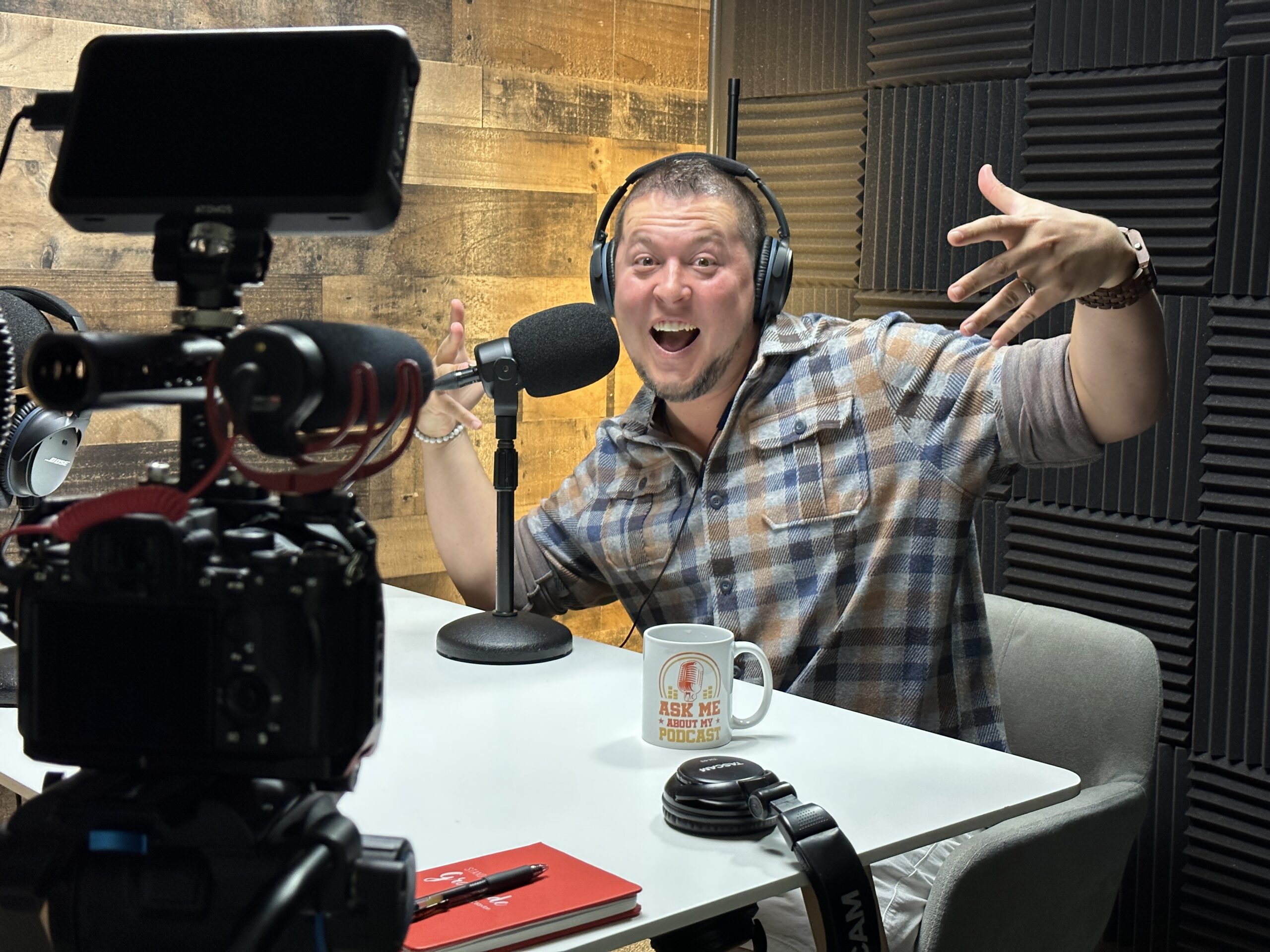
Anything under 30 minutes works for a solo host without co-hosts or featured guests; 30–60 minutes provides space for featured guests and still invites anyone to listen. Podcasts that last more than 60 minutes invite deeper interactions, but can also drone on and cause audience fatigue. No matter the duration, preparation is required. What are your capabilities as a host and who else will be involved? Consider lengths you like to listen to, experiment to find flow, and know you can always categorize different episode lengths to keep things interesting along the way.
Tempo
The cadence for releasing new podcasts will determine how much content needs to be created. Single episodes take a shot of effort and can add a nice sound to existing content, while a comprehensive effort will be needed to string two or more episodes together. The more time between each episode, the harder it is to build meaningful momentum.
Occasional drops provide flexibility but make it impossible for an audience to add your podcast into their routine. An annual or quarterly cadence also provides elasticity, but more distance between new episodes will limit growth. If your podcast hits the ears of someone who likes it, attention will fade fast if you stop delivering fresh content.
For those trying to produce a podcast that thrives on its own, a monthly release is practical, but a weekly release speeds everything up. There are daily podcasts, but those become talk radio, focused on monetization more than true value compressed into each episode.
If you’re unsure, the hack is a topic-based series of 3–5 episodes. This will provide room to experiment, offer success without much commitment, eliminate the need to purchase equipment, and adds clarity from a shorter feedback loop to help assess value as you navigate what’s next. If the episode count starts to push higher, a few categories leave room for different types of episodes, and breaking things up into multiple seasons adds an offseason to take a break.
 Branding
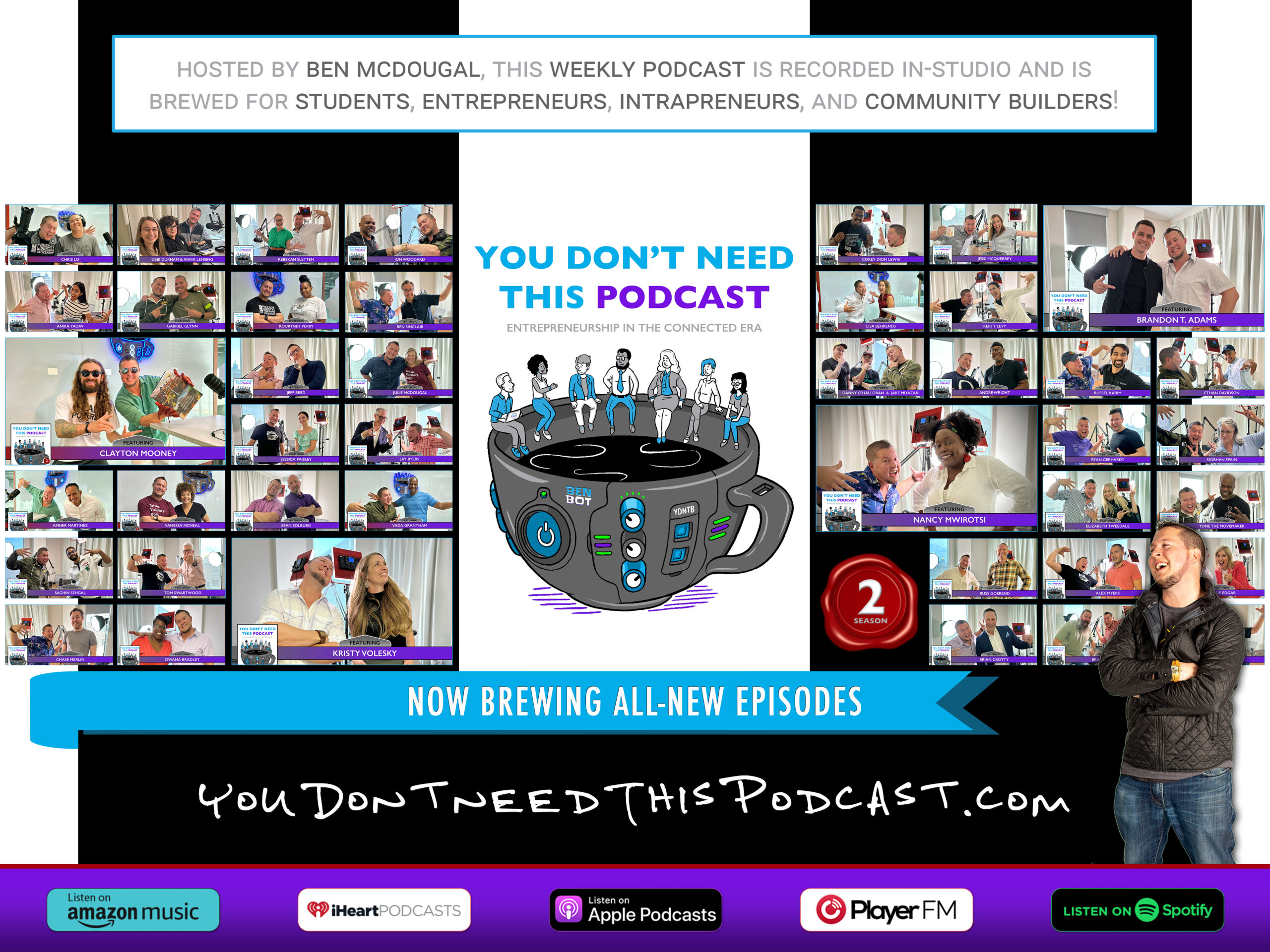
When branding a podcast, it is wise to avoid the fog that settles when we build akin to existing art. Like the founder building a startup, when it comes to early research, don’t fall in love and hope something like it doesn’t already exist. Try to find it! Look for podcasts that may be similar to what you have in mind. Explore related genres, hunt for anything that has a title like yours, listen to a variety of formats, and review the content guidelines for different podcast platforms. Alongside so many existing podcasts, brave awareness helps to avoid future tension and provides the creative freedom for your own art to bloom.
Extra Shot
Wanna one pager to monetize your podcast? Let’s connect.
With a clean identity, have fun creating visuals to represent your podcast. Like cover art for a book that pops off the bookshelf, artwork for a podcast needs to catch the scrolling eye. Alternate resolutions and episode-specific graphics earn extra credit down the road, but your artwork should look its best as a small square thumbnail. Less is more.
Branded assets will support marketing, but first it’s time to lay the groundwork for automated distribution.
Distribution
Nesting a home for this creative season requires a system that starts with a podcast hosting platform. This is where your podcast lives. It’s where you’ll track metrics, connect to popular podcast players, and create embedded players for the richest experience on websites you manage. There are many great podcast hosting platforms, which usually charge an ongoing fee based on the amount of content you upload. This allows you to pay less and grow into more resources, so budget for this important home base.
Now it’s time to align RSS connections between your home base and the major podcasting players. Podcast submission forms or dedicated profiles may be needed for each podcast player. With podcast player requirements met, return to the podcast hosting platform to connect the feed to the podcast player. This automates distribution and only needs to be set up once. When done correctly, episodes are set up with an audio file (.mp3 is a widely accepted file format) and related materials on the podcast hosting platform. Once published from your home base, embedded players will be activated, and new episodes will sync into connected podcast players.
With all major distribution channels aligned, it’s nice knowing your podcast can be heard anywhere. But if you had a choice, where would you want to send listeners? It’s easy to share links provided by popular podcast players, but this cuts you out of the deal. Instead, register a branded URL that lets you control the traffic. This URL can link people directly to a podcast player, but it can just as easily connect to a branded environment dedicated to your podcast. For example, YouDontNeedThisPodcast.com forwards to an internal page on BenMcDougal.com. With one branded link, visitors can enjoy a catered experience that commemorates each episode, with all the popular podcast players and the rest of my art just a click away.
Gear
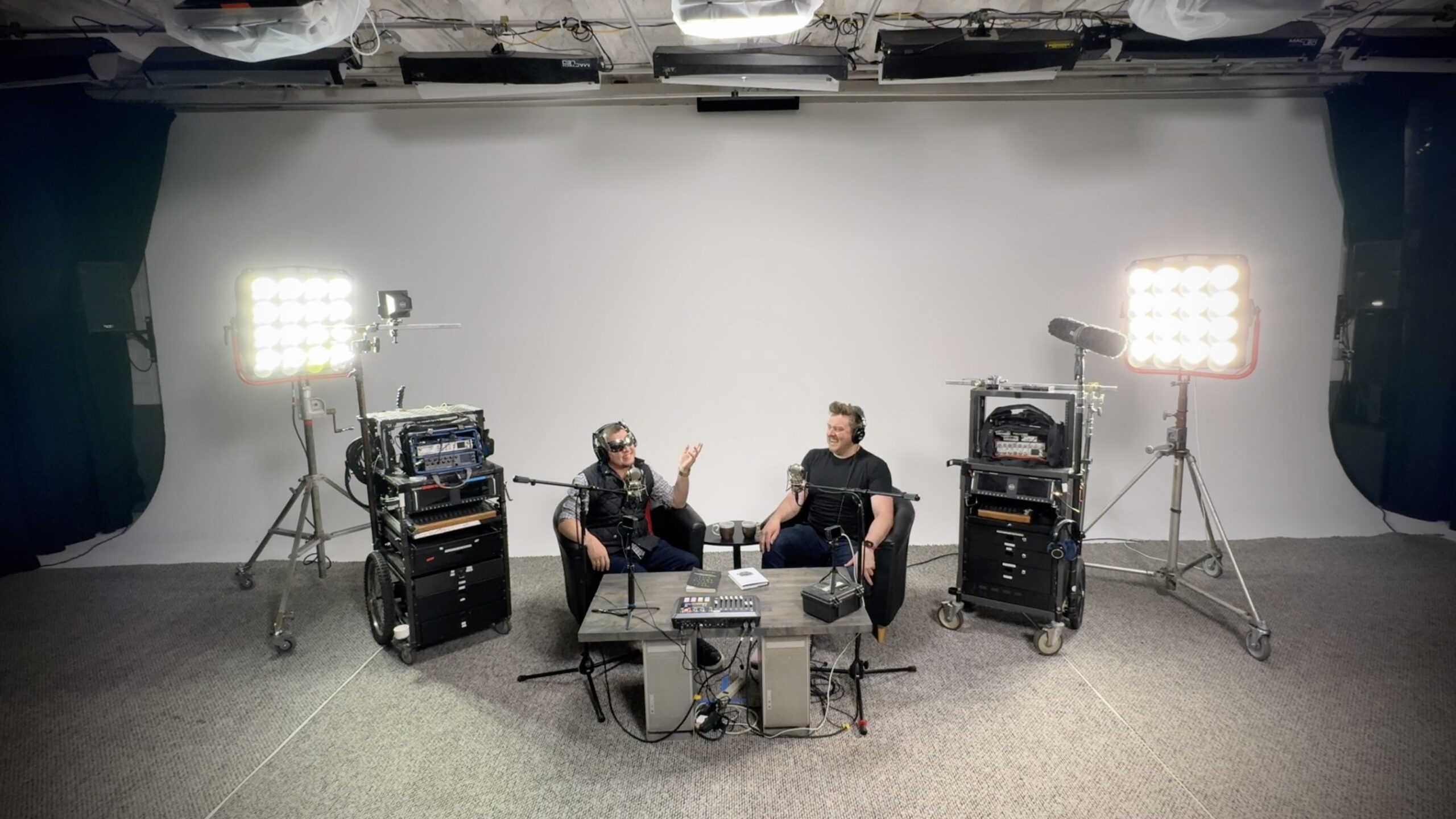
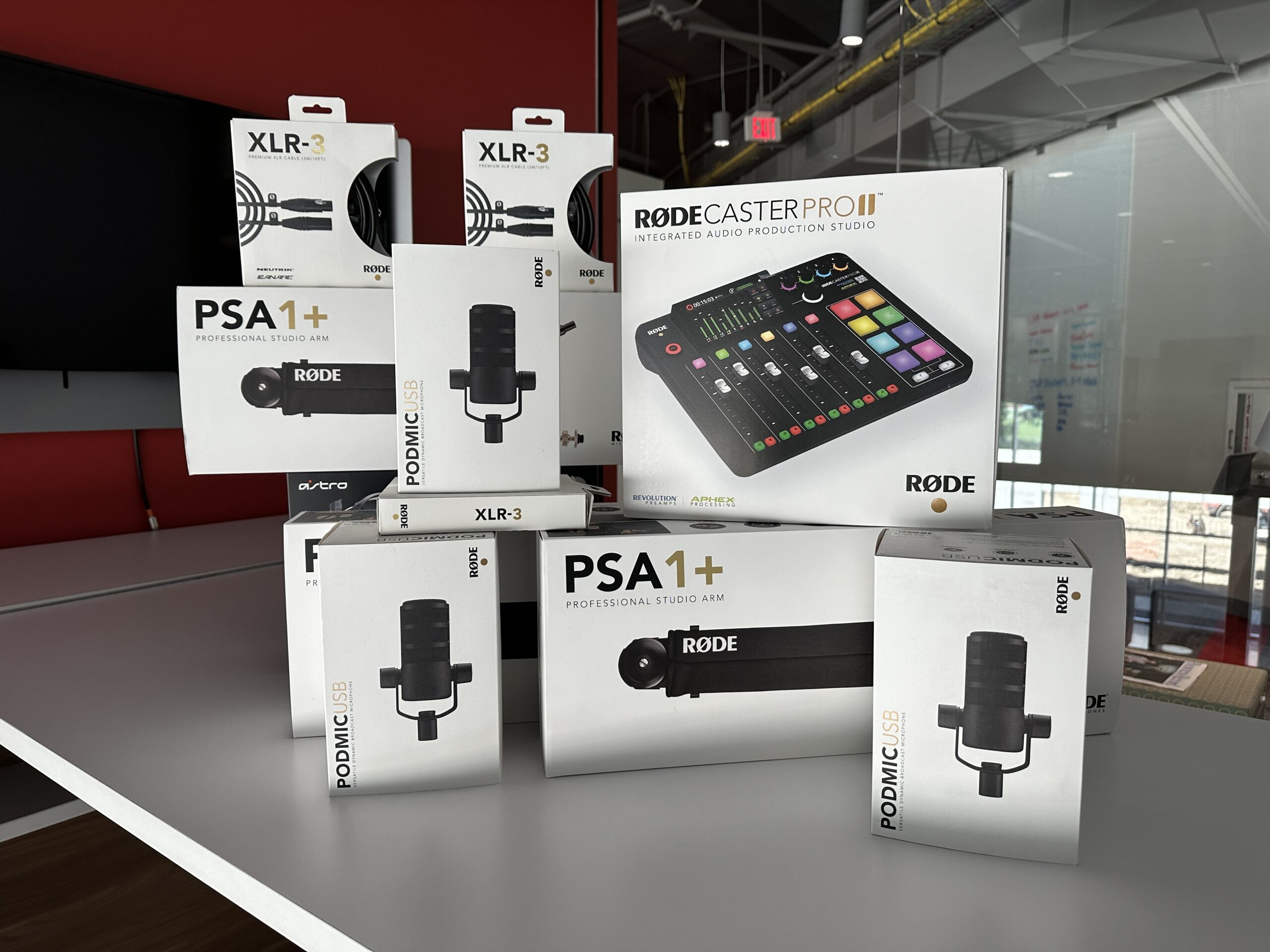 Securing equipment to bring a podcast to life is easy. Start with a space that vibes. A consistent environment will make the sound quality dependable, and if you’re inviting guests, this should be a public place.
Purchasing equipment and building your own studio is ideal, but the cost may be prohibitive, and there are existing space options to get started. Libraries, schools, coworking spaces, and traditional recording studios are all places to jam. A professional environment is not required, but it will inspire guests and provide quality audio that is easier to optimize. To arrange a podcast studio, here’s a practical shopping list:
- Quiet environment
- 4–6 channel mixer
- 2–3 microphones + cables + mounts
- Laptop + 5TB external hard drive
- Headphones are not required but help with quality control and make people feel rockstar.
- Video can’t be used if it’s not captured. SLR cameras make things cinematic, but smartphones or action cameras will also do the trick.
- Regardless of the video equipment used, a little extra lighting will really enhance the look.
-
The efficiency of our connected era makes podcasting more approachable than ever before. Online podcasting requires less of everything, but when was the last time you got excited to watch people chat on a video call? There are exceptions where professional AV setups reduce the distance felt between each person, but most podcasts that are recorded online fall flat. There’s less body language, banter feels rigid, serendipity is lost, and the whole thing becomes less entertaining. When you’re looking for less content or if resources hinder the ability to share premium human time in a physical space, enjoy the ease of online podcasting but don’t be surprised when enthusiasm stalls and valuable insight gets lost in the noise.
One vs. Many
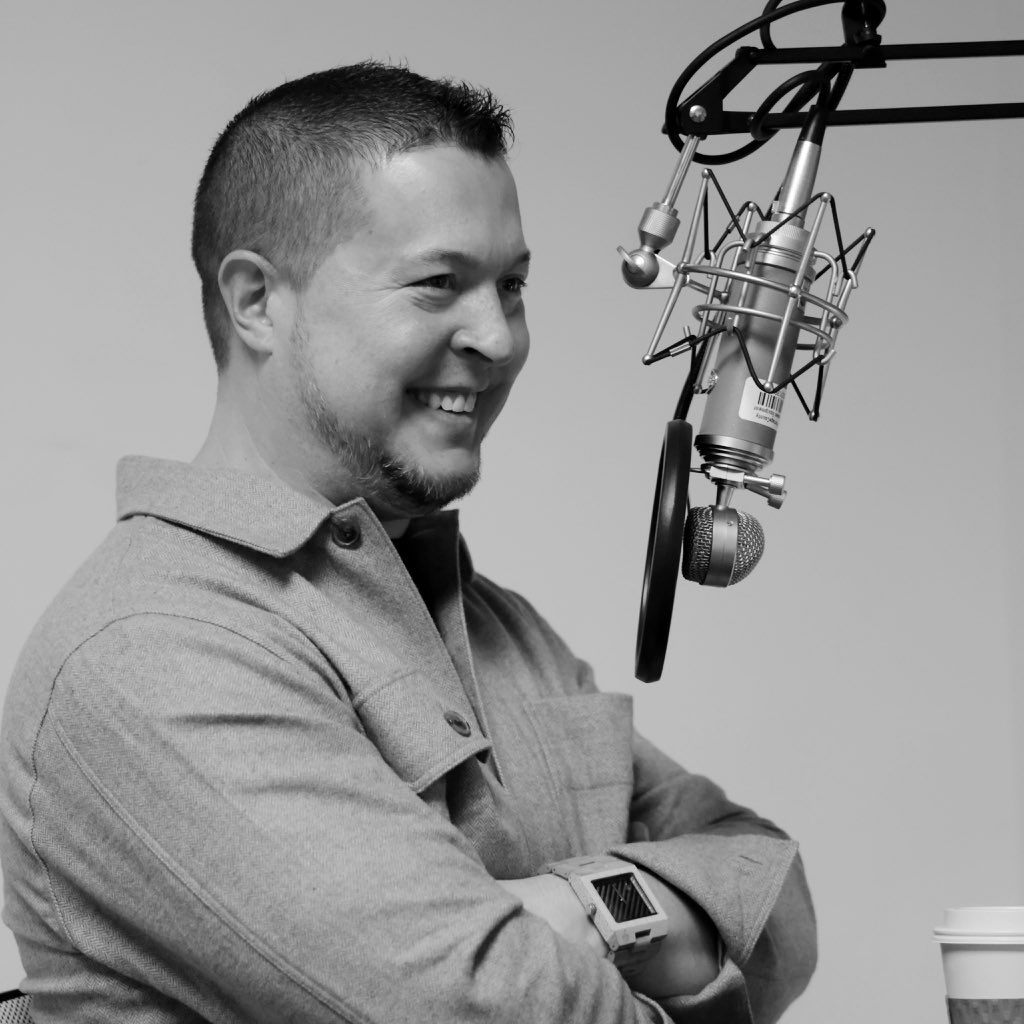
Monologue podcasts are a great way for individuals to express ideas with full creative control. This approach is convenient, provides a healthy release, and distributes art into the world. Unfortunately, a solo mission still requires resources, setup, execution, and marketing. Hosting a podcast by yourself can also be isolating, and a limited reach may be disheartening.
Adding co-hosts and/or featured guests will add layers to the logistics, but extended coordination can be done efficiently. When more people are involved, a scheduling system will save time and maintain professional encounters as studio time is organized and featured guests are booked. The extra effort pays off because appreciation is shared between everyone involved, diversity of thought thickens value, and additional trust channels ignite engagement from an expanding audience.
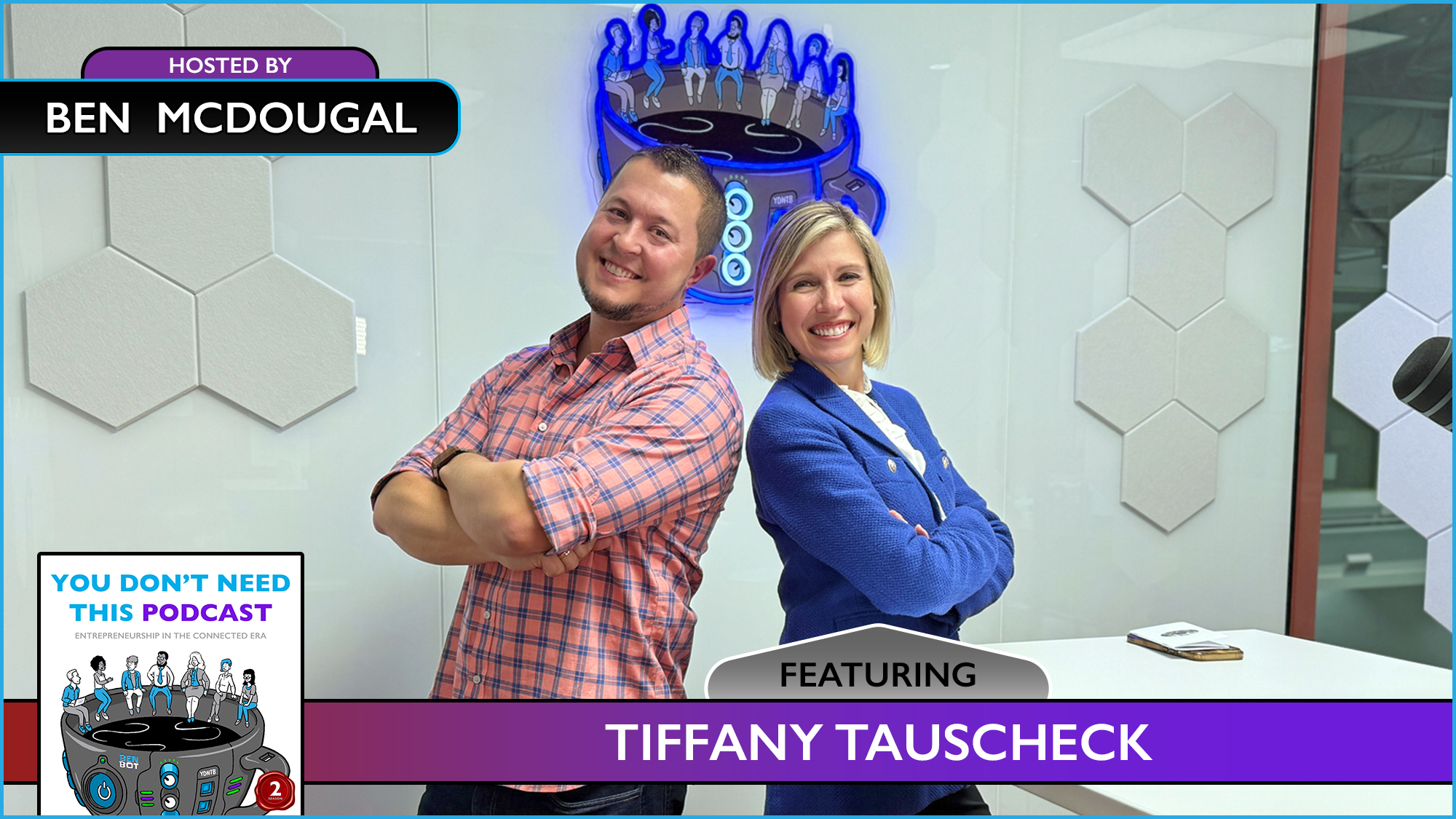
Co-hosts are like co-founders in a company. There’s less money involved but honest expectations with time required and role clarity will help activate other motivating factors. Kept promises, ongoing communication, versatility, and milestones for ongoing evaluation support a healthy relationship for co-hosts creating art together.If featured guests make the podcast more interesting, as they often do, an existing network will make it easier to curate special visitors. If your engaged network is small, slow down the tempo to make room for better connections. This signals respect for experience and a willingness to share time. As patience uncovers more shared interests, the ability to access remarkable featured guests is strengthened. As a podcast grows and more notable guests are featured, future invitations become more appealing. The expanding platform will soon have strangers asking to be a guest, and the original motivation will be tested. This is progress, so embrace the growth while staying grounded in your why.
Execution
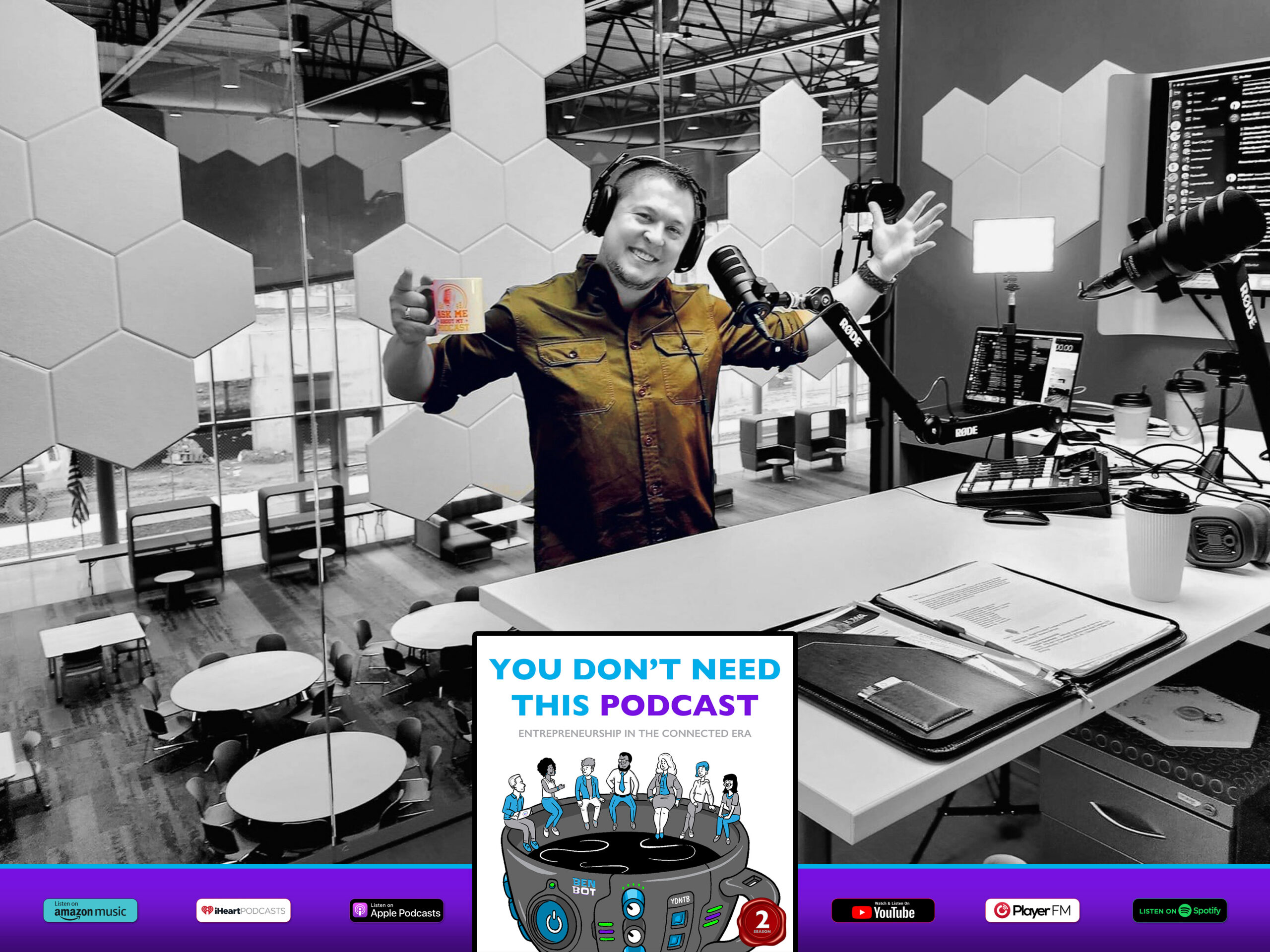 Before each recording session, forge prompts to guide the conversation and to prepare featured guests. Include time and location, an estimated release date, and resources that make the podcast easy to share.
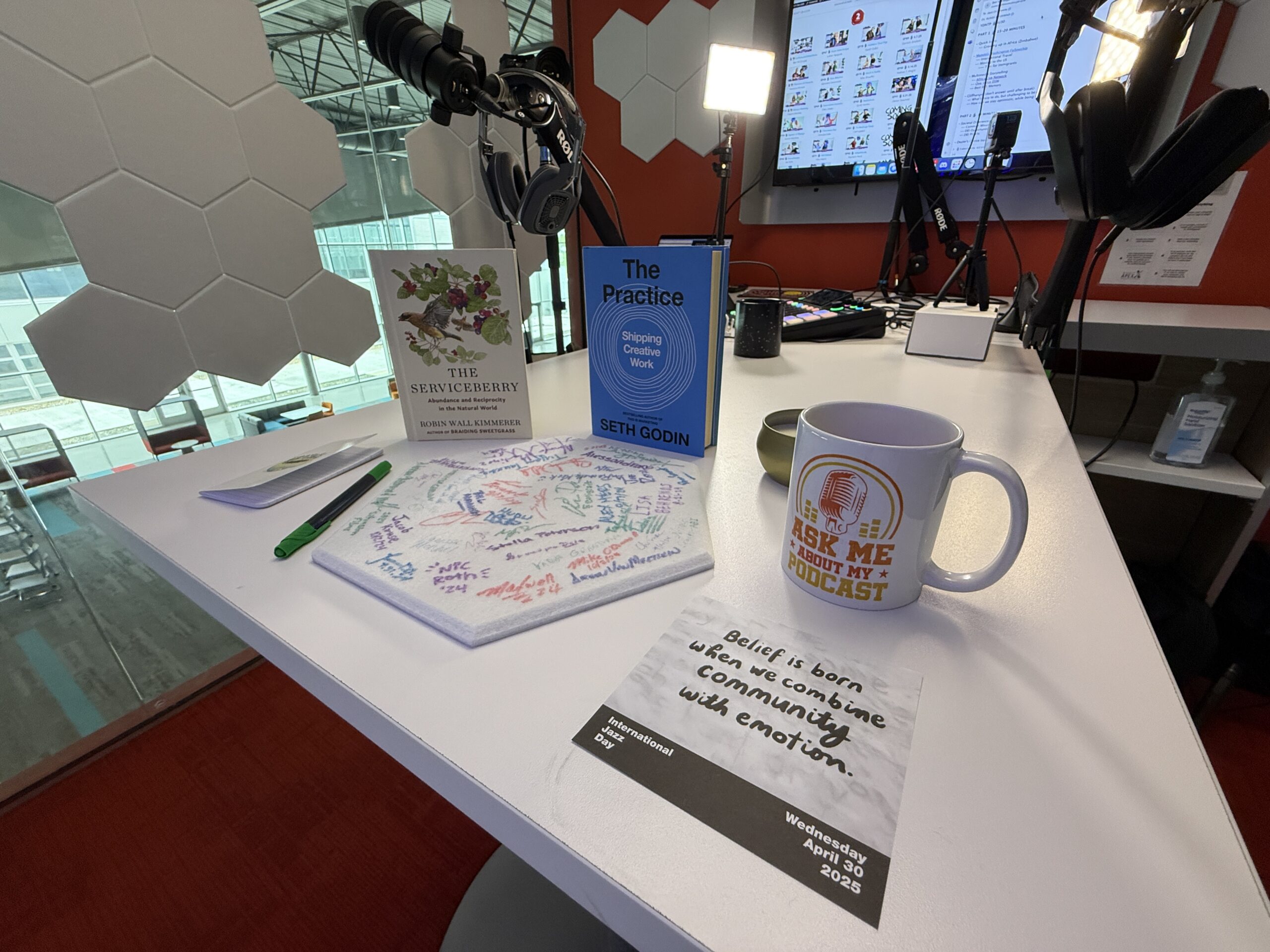
When it’s show time, avoid feeling rushed by arriving early to get equipment set up. With headphones hung on each mic, pour beverages and lay out small thank you gifts. Touch base with featured guests, review the conversation prompts, and open relevant websites that may come in handy during the discussion. Guests will appreciate this hospitality and give their best as they hear their own voice in the headphones. Warm up with a little unrecorded banter, go over the basic format, and answer any questions. To feel the moment, take a deep breath because once recording starts, everything speeds up.
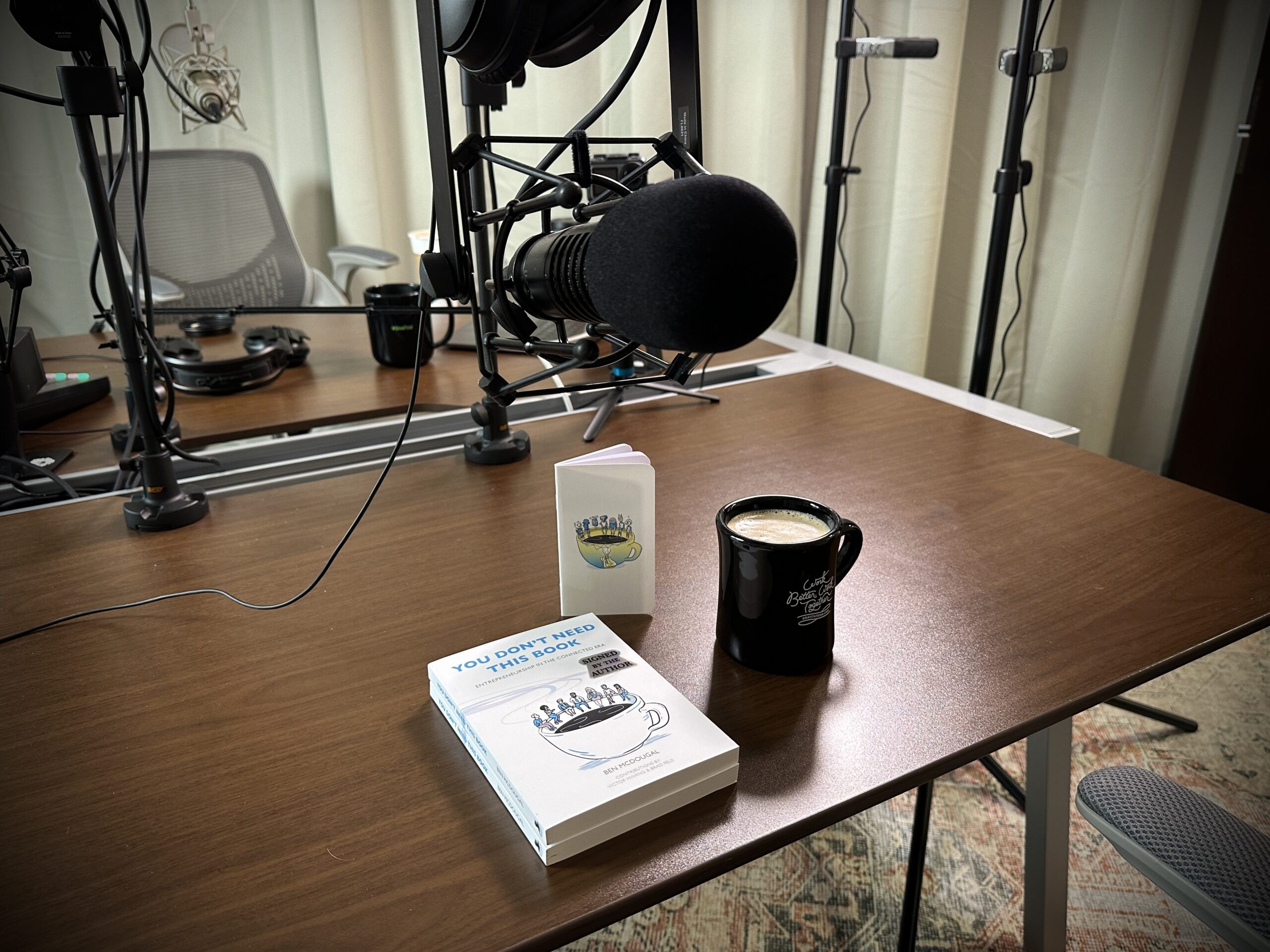
This is when preparation and hard work are rewarded, as exhilarating time is shared and intentional conversations are amplified.As the host, let gratitude galvanize opening remarks, and bring your best as you guide good to great. With featured guests plugged in, give them the spotlight and actively listen to spark inverse charisma. Be responsive, keep topics shifting, and maintain a conversational tone. No matter the duration, time will fly by. Once in flight, keep an eye on conversation prompts and popcorn value, then land on time and with style.
After the mic is dropped, celebrate the moment by creating a few promotional assets. Photos are awkward, but everyone likes having them. Pop a camera on the tripod and trap time with everyone involved. Premium human time has now been archived, but it will only become art once it ships.
Stitch It
The climb has provided a hope that’s felt in saying yes to adventure. Building a branded system, securing gear, finding an inspired space, and recording good stuff with people you respect has been thrilling. Now it’s time to stitch everything together with post-production.
Astute organization will help systematize a growing number of files for each episode and all related materials associated with your podcast. With raw files organized, add sizzle by recording brief, attention-grabbing clips to augment each episode. A stimulating intro will acquaint the audience with this creative expression. If you include breaks, these will need to be recorded, and an encapsulating outro is a nice way to end each episode. These assets are minor additions to an individual episode, but they build your brand and add consistency when applied to every episode. With a hot intro and cool outro in place, collaborate with a sound engineer or use editing software and royalty-free music to polish these supplementing assets into eargasmic additions.
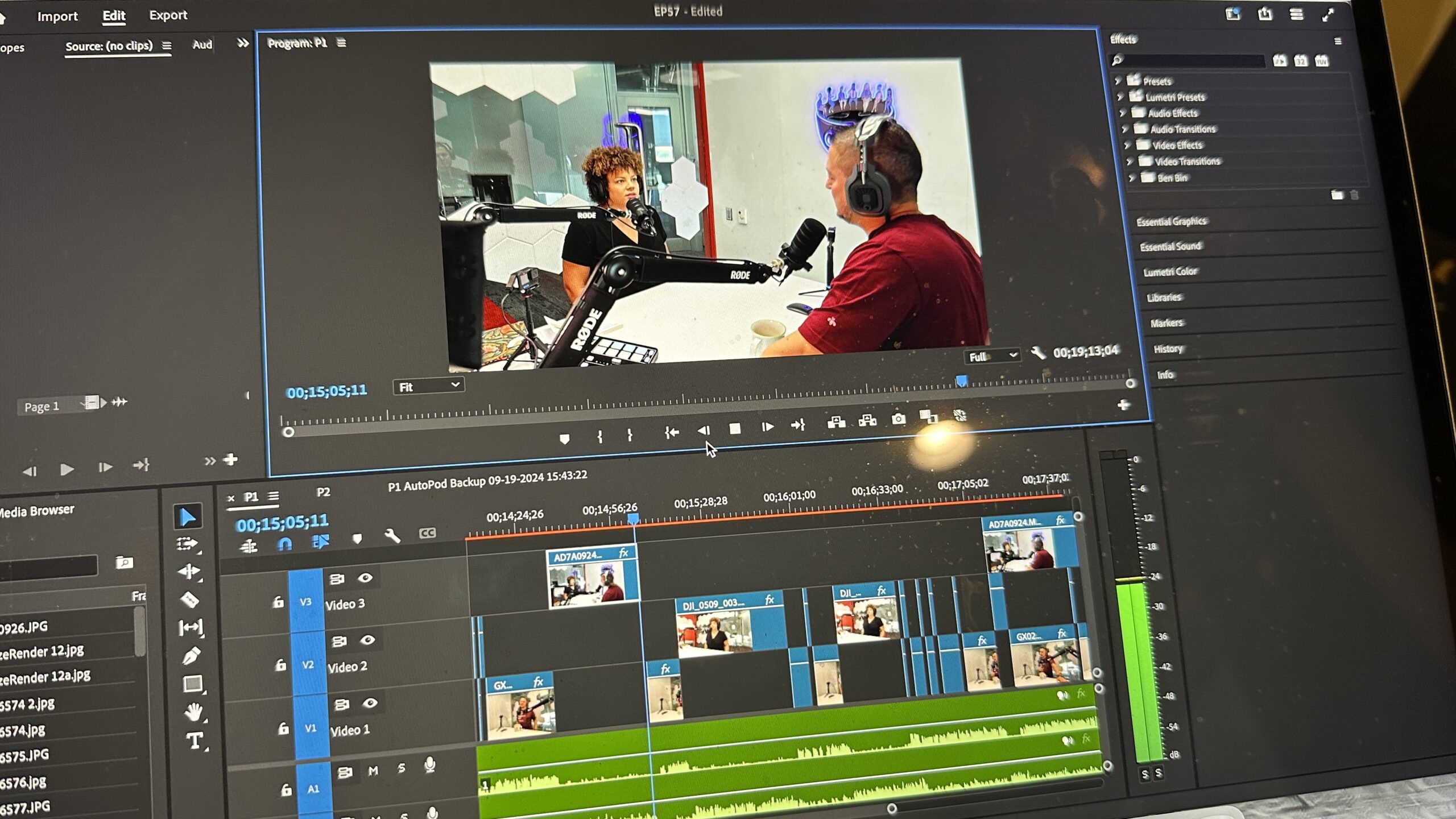
With all the parts in place, use editing software to stitch everything together. If mistakes were made in the original recording, here’s where you can fix those, but work toward single takes to save serious time. With files stitched, enhance the listener’s experience with sound engineering. The better the sound quality going in, the easier this process will be, but software can always add richness, eliminate an echo, and offer other treatments to boost the sound quality. With preferred settings in place, use templates to save time and to apply a similar sound quality to each episode.
Extra Shot
Single takes provide a smooth listen and require way less editing in post.
Not interested in post-production? We can always trade time for money, so if you’d rather hand this work off to others, collaborate with a sound engineer or use podcast editing services and plan to invest $50–$250 per episode. When outsourcing this work, an efficient workflow will include transferring large files, notes for someone who was not part of the original recording, and elongated turnaround times.
As a groove is found, this collaboration can save time, optimize quality, and extend what’s possible.
When the noise starts to sound like music, export the entire episode into a single file. WAV files will provide the highest quality, but MP3 files are more widely accepted. Export both file formats, and take one more quick listen to ensure everything sounds sharp.
Ship It
With the stage set, it’s time to publish your podcast into the wild! Get finalized episodes uploaded, add show notes, and attach graphics into your podcast hosting platform, which is that home base we established for automated distribution.
With 5–10 episodes scheduled, you have enough propulsion to launch. This queue provides space to bank more episodes with less stress. Get back to recording while also using the summit of each new episode to increase awareness.
Stabilizing awareness for a new podcast takes at least 6 months. As you hit milestones, you’ll realize the mighty potential of a podcast. Magic happens when time, interests, and ideas are shared between people who care. Make your podcast easy to find with social media clips and creative marketing materials, but circulation occurs when others gain status by sharing your podcast.
If featured guests are involved, keep them updated to make them feel a part of the release. Recommendations are unquestioned when they come from friends, eh. The more excited featured guests are, the wider word will spread.
Successful storytelling resonates with the right audience at the right time. There’s always more to do, but as episodes accumulate, a snowball effect occurs.
Extra Shot
Compose art you’ll be proud of for life.
Podcasting will always require dedicated time, and the analytics will be lower than expected, but carry on with gratitude. The metric that matters most is how much you enjoy the process. Eventually, you’ll realize that podcasting is for your own well-being. You’ll feel in tune with aftereffects that include perpetual learning, an expanding network, having a new favorite podcast, and recorded relics to leave behind alongside people you treasure.
Brewed From Within
#74 📖 Technology
V2.0 - 100% HUMAN
In Loving Memory of Jay Byers
1 Comment
Ben McDougal · September 18, 2026 at 7:30 PM
ORIGINAL – 11/27/23
When are ya gonna start that podcast?
We all have stories to tell and wisdom to share. Translating the key knobs that are turned when creating content, writing my first book, recording an audiobook, minting an NFT collection, and installing my own conversation AI have inked insights that are very valuable to have indexed.
This detailed guide goes behind the scenes of You Don’t Need This Podcast and delivers a friendly narrative brewed to help you pursue your own podcasting ideas!
If you’ve wondered how someone says “yes”, then proceeds to build a pro-grade podcast and records 52+ fascinating episodes in just 3 months, refill your mug, strap on a seat belt, and enjoy the ride.
Why + Who + Value
Like any new initiative, think and talk through why a podcast is something you want. If you could snap a finger and have a solid collection of excellent episodes available everywhere, what would they be about? What might be the format and how does each episode sound? Who would listen to your podcast, how would you get the target audience to follow along, and overall, what value can you consistently deliver the audience you seek to serve?
It’s not hard to start a podcast, but it will require extra gears and lasting commitment to deliver art beyond your existing network. Don’t let mental hesitations become too heavy, because you’ll either succeed or learn, but there’s underlying value in being realistic with something that will require time, thought, money, resilience, and even more time. Anyone can buy recording equipment, find a space, push record, and throw audio files into a podcast hosting platform. Clarity comes when you collide your why, who, and value against the opportunity cost of saying yes.
Decisions
This is not a race, it’s a dance, but ambition fades and holding on to desire invites unhappiness until a future state is achieved. This means there’s value in making decisions.
As you work toward an answer, to snowball trust with consistency, determine your target duration for each episode, as well as, an obtainable cadence for releasing new episodes. For me, the ambitious task of shipping a brand-new episode every single week felt heavy, but within reach. I also took on the challenge of tightening each episode to only 30 minutes. Longer formats are cool too, but as a listener, ~30 minutes feels about right, even for busy listeners with short attention spans.
I’ll share how to facilitate interesting interviews in the Execution section below, but in short, building creative pieces to my own forever puzzle looks like work to some, but feels like play to me. This was something that could be built with care, so I first called it an “experiment” and then a “creative season”. I take pride in making nice look nice and I knew this was going to be a serious undertaking, but calling such exertion a “creative season” reduced the weight compared to this new podcast being my latest project or new venture. I was okay if this didn’t work out, but also knew that it would, so twas time to press PLAY.
Artwork
Before you fall in love with your own ideas, look for podcasts that may be similar to what you have in mind. Explore related genres, listen to different formats, and save yourself from a taken title that may cause future tension. Before you select a title, review the content guidelines for each podcast platform. They are generally the same, but there are a few difference between popular podcast platforms like Apple Podcasts, Spotify, YouTube, iHeart, and Amazon. Fortunately, the podcast hosting service (which is described in the Groundwork section) helps make efficient distribution easy.
Okay, so as you consider the name of this podcast, it’s wise to avoid the fog that rises when we build akin to existing art. Unknowns will reduce your confidence in building something you value. A perfect name feels important, but who else thought it was perfect before you? When it comes to this early research, don’t hope something doesn’t exist. Try to find it!
To start, jump out to Apple Podcasts on your computer or iPhone. Try Spotify if you’re an Android fan. Search your title ideas and click beyond the first page of results. Look at all that comes up! The world is not lacking podcasts. With 3-4 million podcasts, it’s imperative to understand the existing landscape while staying humble in your goal setting. If you’re trying to go big, time with an IP attorney adds additional safety nets as well.
Alright, so with a solid genre, title, and vibe in mind, have fun creating visuals to represent your podcast. Like cover art for a book, the quick look for a podcast matters. Think how fast you scroll! The cover art that represents your podcast should look it’s best as a small square thumbnail. You can design differentiating depth into your podcast’s branding, but less is more when it comes to the primary artwork for a podcast. The first cover art concept for YDNTP had more text and smaller graphics. Thanks to feedback from others, we landed on a cleaner look that was all it’s own, but also strategically connected to You Don’t Need This Book., which is my book that was published by Pour Over Publishing in 2021.
There will be increased marketing needs as things progress, but there will be time for that as this idea evolves into reality. With an early identity for your podcast in place, it’s time for groundwork to connect a few primary pipes that will become the automated distribution engine.
Groundwork
Like a name and logo activates a sense of reality for a new startup, you feel energized by this progress. Use that momentum to get nerdy. Like nesting a home for this creative season, plan details and setup a few key podcasting tools.
If you’d like to follow the path I took, start with the primary place where your podcast will live. There are many great podcast hosting services, but Libsyn has served us well. Libsyn pricing is based on the size/hours of content you upload each month. This allows you to pay less and grow into more resources, so budget $5-$20/mo. for this important homebase. This is where your podcast lives. As you compile each episode into one audio file (.mp3 is most widely accepted), you’ll start by creating a new episode in Libsyn. This homebase will also provide interesting analytics and other features that can enhance your effort.
Now it’s time to align. Libsyn will help establish many RSS connections to the major podcasting platforms, but you’ll need to compliment these easy connections with related accounts. For instance, here’s an Apple Podcasters Program Overview, which has links to account setups that completes the loop between Apple Podcasts and your primary feed from Libsyn. Many podcast players have a submission form for podcasters, which you’ll need to complete so each podcast can be automatically heard as it’s scheduled and published in Libsyn. Once again, the primary podcast platforms I made sure were online before we launched, was Apple Podcasts, Spotify, YouTube, Amazon, and iHeart.
There’s a lingering question. Even after a few primary distribution channels are aligned, where do you want listeners to land? It’s easiest to just share direct links to a podcast platform like Apple Podcasts, but that’s traffic you’re generating without much ownership. This is your art and I’d suggest having a branded URL that takes most people to a place dedicated to your podcast. YouDontNeedThisPodcast.com forwards to an internal page within a larger environment that is BenMcDougal.com. This allows anyone to stumble into YDNTP, but more important, I have one link that takes everyone to the same place. I manage this podcast page so while it may not be Hollywood, I’ve worked hard to invite someone to stay awhile. I like to think the most rich experience would be starting with EP1 and listening all the way through, but it’s nice to let people choose an episode to try just by seeing a few quick details for each episode. Knowing many people follow podcasts on their own favorite platform, having links to where you know your podcast is listed is also a key attribute of your podcast’s evolving command center.
Featured Guests
Many podcast hosts invite special guests into the mix. More shared perspectives create diversified value for listeners. It’s also a community-driven marketing tactic, as new dots can be connected between different people’s trust channels.
In tandem with early artwork and pipping groundwork for the distribution engine, use a scheduling tool to make booking guests smooth. Different podcasts hosts were using the same studio I was in, so we used Google Calendars to keep our studio time organized. I then used Calendly as the front-facing experience for my invited guests. A good looking, shareable Calendly link could be included in a friendly text or emailed invitation. As guests secured their preferred time, I kept the scheduling organized.
This was a juggling act, but with a few online tools, it was a passable test. With my small booking system connected, I kept inviting more remarkable people to plug in. Any invited guest could select a time from their own device. With my recent 3-month podcast recording blitz, I chose to dedicate 3 hours every Wednesday. I would attend 1 Million Cups downtown, and with the podcast studio nearby, I would scoot down to get setup for back-to-back special guests and two separate episodes. I would have given myself a bit more space between the two guests and this turned into a being lot some days, but the basic structure was helpful. There were many one-off recording sessions outside these set times each week, but this consistent block made it easier to juggle and kept space to pack in more episodes along the way.
The nature of you engaged network is often the wild card when it comes to curating special guests for any podcast. I had stitched together transparent technology to leverage my own real skills, then began introducing the fun to strategically remarkable people. These forever friends and ecosystem allies were all able to translate timeless insight from all that is entrepreneurship in our connected era. I share this not to boast, but to mention the anomalies of this wild path. Also, to thank each one of my special guests who make every episode of You Don’t Need This Podcast so compelling. If your engaged network is still growing, you may need to slow down on trying to schedule guests. This brews room for better connections and reduces the slimy transactional vibes of an ask that feels one-sided. People’s time, experience, and willingness to share is valuable. Like writing a book that started many years before an author writes it, network and human capital is invaluable when it comes to naturally curating, hosting, and celebrating featured guests.
Equipment
Find a space that vibes. Ideally it can remain the same to build consistency into the listener’s experience. If you’re inviting special guests, this should be a public place. While you can combine a few key things to build your own studio, there may also be existing studios to get started faster. This may become trading time for money, but if you’re serious, this can motivate you to use the time wisely. If you decide to consider renting a studio, be ready to start scheduling recording times. Explore a few coworking spaces and ask about podcasting with local entrepreneurial support organizations if options aren’t obvious. A professional studio is not required, but it was really nice having a friend, a savant from radio/podcasting/PR, and a partner on the equipment.
If you build your own recording rig, do your own research on different options. Be bullish on quiet, soundproofing areas with enough room to host thoughtful interactions. Here’s a quick list of components that feel required:
– Laptop
– External Hard Drive (3TB+)
– 4-6 Channel Mixer
– 2-3 quality microphones + mounts
– 2+ Headphones – not required, but good for quality control and definitely more rockstar.
– Soundproof Space – as much as possible
– Video + Lighting (optional, but recommended)
— Even with no plans to edit footage, you can’t use video if you don’t shoot it. Go big with multiple SLR on tripods, but one small action camera on each guest may do the trick. If video is a part of the plan, include good lighting for each guest. Like rich sound for the podcast, lighting makes video look it’s best.
Execution
In the studio, everything comes together.
With all that goes into podcasting, these are the moments hard work is rewarded.
AM radio vibes are felt between people intentionally having a stimulating conversation brewed to share. Before each episode, I spent time forging a few prompts for each featured guest. I emailed conversation sparks to help people arrive ready to jam. They included when and where to arrive, shareable links for the podcast, estimated release dates, and a catered outline for us to reference during our time together.
I’d arrive early to setup the studio. With headphones hung on each mic, I’d pour ice water and hot coffee, then lay out a few small thank you gifts. I reviewed the conversation sparks and brought up relevant links that may come in handy during the discussion. As you’ll hear, BEN BOT installed a fascinating #ChatUX twist into the YDNTP experience. This is conversational AI was trained on the entire Roasted Reflections library. This creative twist was kind of a joke, but it did add some cool hints of remarkability. Instead of a third human in the room (which adds a pleasant depth to interviews), BEN BOT contributed occasional insight that was engrossing and amusing to riff with.
As special guests arrived, they appreciated the professional setup and really leaned in once their headphones went on. We’d warm up by catching up, then I would go over the basic format, timing, and answer any questions.
When flow was felt, I took a deep breath. I had always planned ahead and I knew my guests well, but we never knew how any episode was going to go. In that micro moment, I’d come up with my unscripted opening remarks. The big red record button was pressed. We were ON.
As the host, you must bring your best and guide each episode. This does not mean you dominate the discussion. It’s actively listening to fuel inverse charisma. It’s being quick to expand on ideas, but also keep topics shifting. No matter the target length of a podcast, time will fly. It’s actually easier to have longer episodes, so while conversation sparks were extra work and not required, they always helped us take flight, popcorn value, and then land in style.
After the mic was dropped on each episode, a bit more inventive effort was required to create assets that could be used to promote each podcast. Photos are awkward, but everyone likes having them, so these goofy gifts became a fun finish after cherished space was shared. These collisions are now minted through a conversation that is destined to be art, but only when it ships. It’s time to stitch together deliverables, sequence the launch, have a plan to keep building, and developing different types of momentum with contagious self-belief.
Sound Engineering
Composing something you’ll be proud of for life is usually challenging. Different types of capital are also required to go the distance.
Up until now, the excitement of something new, a hope that’s felt in saying YES to adventure, securing a studio or recording equipment to execute the plan, and recording good stuff with people you respect has been thrilling, but purpose will be lost if you’re unable to ship this art.
It’s not advanced audio engineering, but you won’t have podcast episodes to upload if you’re unable to keep a growing amount of raw audio files organized, originate a royalty-free soundtrack that adds juice, maybe design areas to highlight sponsors providing financial support, and polishing everything for an eargasmic experience.
There are tools to do this yourself, but the ongoing editing of new episodes for any podcast can get heavy. There are also podcast editing services where you can expect to invest $50-$250 for each episode, but that adds up fast, especially when you’re experimenting with something that may not have money to burn. If financial capital is tight, get creative with the other six types of capital (intellectual, human, institutional, physical, network, and cultural) to find partners who embrace the vision as much as you do.
It’ll take time to find a groove within a shared workflow, but as you consider an ongoing collaboration, when a new episode is recorded, what will the process be for sending large files? How might show notes add efficiency/accuracy when the podcast is being edited by someone other than you? How will the final version sound and what are average turnaround times? Linchpins build without a map, but good communication up front gets elephants in the room. Agree that surprises will come, but when everyone is motivated, incentivized, and understands expectations, lasting partnerships exponentially extend what’s possible.
Partnering with a talented friend to produce a finished podcast was critical in making YDNTP feasible. It took an ongoing effort to organize large files and time to review/tweak on each episode, but we pushed through all 52+ episodes. Along with getting the first few episodes scheduled before we launched YDNTP in June 2023, we stayed ahead of the release schedule and eventually a flywheel effect delivered all 52+ podcast episodes, each beautifully remastered and ready to sequence!
Snowball Marketing
When you have 5-10 episodes ready to be released, you’ll have enough propulsion to launch loudly. There’s no rule that says you must stick to a planned release schedule, but humans are creatures of habit. If your podcast hits the ears of someone who like it, attention will fade fast if you stop delivering fresh content. Unless you already have a large audience, consistency is needed to snowball awareness (and analytics) that will help podcasters decide how a podcast should evolve.
Stabilizing a podcast so awareness can grow often takes at least six months. If you’re willing to push to hit milestones, you’ll start to realize the true potential of a good podcast. A few cool episodes are fun to have as part of your overall content creation, but podcasts are mighty when there’s a shared interest curated between the host, special guests, and the audience. Make your podcast easy to share for listeners, but organic virality occurs when your special guests are inspired to share their episode of a podcast. To fuel this flame, deliver clips made for social media and keep them updated as their episode is scheduled. Trust is unmatched when a friend shares something with a friend. The more excited special guests are to share their episode of your podcast, the deeper and faster word can spread.
Sequencing episodes keeps a podcast diversified, interesting, and timely. Generous storytelling that resonate with the right audience at the right time is what marketing is all about. There’s always more to do, but as we connect dots with each episode, a snowball effect can occur. A growing library of marketing materials and more followers will help ideas spread, but professionals play the long-term games. It’s hard to find, let alone regain momentum, so stay honest in what you’re trying to deliver with a podcast. Keep the promise by delivering value long enough to understand if the abundance of time spent is worth pursuing another creative season.
V1.0 – 100% HUMAN
Comments are closed.