Adaptability

As leaders prepare others for an unpredictable future, an interest in understanding answers and an eagerness to claim confidence are essential. A vital element to both qualities is an ability to constantly adapt.

When technology makes answers easy to find, adaptability makes the human touch unmistakable and more resilient. As students traverse problem-solving activities, they learn to appreciate what goes into the answer. This leads to deeper understanding and boosts adaptability as assumptions are tested and unplanned obstacles are conquered.

Extra Shot

This contribution was written by Nancy Mwirotsi. She is a leader from Kenya who empowers underserved youth through technology education.

Imagine students learning to code. Before presenting to a large company, their code breaks! Immediate tension is felt, but adaptability keeps everyone calm as they lean into other aspects of the project. Despite the disturbance, their ability to execute through adversity is recognized and rewarded. Outside the classroom, similar manifestations occur when leaders reward team members who adapt to stay ahead. And we see how unpredictable entrepreneurship is, which makes adaptability an ongoing requirement for student founders building without a map.Adaptability strengthens confidence as we then let students lead. When young people are trusted to take the stage, make decisions, or shape solutions, they begin to own their success and to claim a confidence that can’t be taught.

As students claim confidence, adults stop depreciating their capacity. This fosters a two-way exchange for students who see themselves in leaders that motivate them to explore, make mistakes, and yet always remain valued. A shared interest in how things work can then amplify potential as technology is introduced to create awareness, multiply real skills, and actuate ideas. This experience encourages students to go beyond just using technology to find the easy answer. It elevates those who understand how technology works, which continues to shape courageous innovators that avoid a temptation to be mediocre.

Within the unknowns of constant change, adaptability keeps us curious. Enduring curiosity can then activate initiative supported by real skills and lifelong learning. Leaders who create environments that help others build proficiency in the dynamic elements of Playforce Principles, prepare us all for the future of work.

Brewed From Within
#58 📖 Leadership

By Ben McDougal, ago

Adapttitude

The strongest entrepreneurs aren’t merely skilled at casting a vision, exercising discipline, or demonstrating resilience. We possess a meta skill called adapttitude.

Adapttitude is an attitude in which we possess the aptitude to adapt to anything. Whether it’s a first encounter or a challenge you’ve met before, “let’s figure this out” becomes instinctual. Adapttitude is built on three catalytic elements:

– Aptitude: Capacity to learn.
– Attitude: Mindset while learning.
– Adaptability: Willingness to shift

The right strategy at the right moment and in the right market is imperative. The differentiator that separates those who survive from those who scale is this ability to adapt with clarity, courage, creativity, and speed.

As this becomes your native mindset, adapttitude becomes the internal operating system of success. With every market shift, setback, closed door, or unexpected opportunity, we don’t simply make it through. We grow through, and our adapttitude expands each time the ethos evolves.

“I can’t do this.” → “I can’t do this…yet.”
“I don’t know how.” → “I can learn how.”
“This is hard.” → “Let’s try a new way.”
“They’re better than me.” → “I can learn from them.”
“I’ll never make it.” → “Look how far I’ve come.”

With a lifestyle that demands vision and agility, adapttitude enables us to lead through uncertainty. As we choose intention over fear and strategy over scarcity, situations that may have caused paralysis in the past can be transformed into moments of momentum.

EXTRA SHOT

This contribution was written by Dr. Rachelle K. Keck, the president of a university who invites us to stay nimble as we determine what’s next.

Although entrepreneurship can feel lonely, you’re not alone on this journey. With adapttitude, your capacity to learn, shift, and evolve will expand. As leaders leverage this mindset, others will follow with a shared attitude toward adaptability. This enhances the proficiency of peers, which strengthens support and challenge networks. When everything changes—and it will—know you are made for this.

We possess the aptitude to adapt, which is an attitude that sharpens us for the entrepreneurial lifestyle.

Brewed From Within
#59 📖 Leadership

By Ben McDougal, ago

Yin-Yang

Technologies constantly intersect. This impacts a technology’s life cycle (TLC), which already has its own phases of development and market adoption.

Technology life cycles follow an S-Curve. The shape of each technology’s S-Curve is unique, but generally, research and development requires an investment. With traction, the technology can ascend and become profitable. Over time, this ascension slows as a new normal is established. Market relevancy can be lasting, but eventually new technologies push existing technology toward a final decline phase. The further a new technology’s life cycle is from the current status quo, the faster one can push the other into history books. For example, when cell phones went mainstream, it did not take long for pagers to fall out of our pockets.

When different technologies ascend around the same time, they each have their own TLC, but the shared timeline only has room for what the market and adoption curves allow. This initiates a game of scarcity versus abundance. If technologies remain isolated, scarcity wins and the ascension of one technology forces the other technology toward a decline. With a sense of abundance, different technologies find reasons to interact, interconnect, support, and perpetuate each other. Even if the relationship is not obvious at first, layered value broadens the impact and extends each technology’s life cycle.

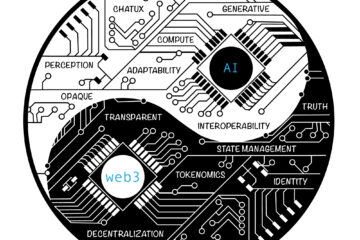
This can be seen in the rise of web3 and AI technologies. At first, the hype was focused on blockchains and everything under the web3 umbrella. As blockchain networks were ascending past early adoption, Narrow AI learned to speak our language and quickly stole the spotlight. This lowered the volume around web3 as everything became about AI.

With volume lowered, it was easy to think web3 concepts were less relevant, but the interoperability of web3 technologies can transparently source, support, guide, and tame AI. When AI makes everything fake, blockchains make it real again. This symbiosis aligns two different technology life cycles. When balanced, AI is yin and web3 is yang. The yin of AI is exemplified by unpredictability and independence. The yang of web3 draws from decentralized dependency.

© BEN MCDOUGAL

AI is strongest when rooted in web3 concepts, which are strengthened by the capabilities and functionalities of AI. Together, these two seemingly unrelated technologies benefit in various ways. For example, ChatUX gave AI a voice, which can imitate anyone, but blockchains and zero-knowledge proofs can confirm identity. The chaos continues as compute speeds of machine learning make state management hard to uphold, while blockchains, smart contracts, and digital assets can track provenance and the present state of a digital system. If AI projects need financial capital, digital currencies and tokenomics can provide economies to scale. As the capabilities of Narrow AI move toward General AI and Super AI, generative data may struggle to preserve the source of truth, while web3 technologies add transparency to improve inputs and help avoid unsteadiness. Even at the infrastructure level, AI can benefit from decentralized training algorithms, and a growing thirst for electricity can be quenched by HPC data centers originally built for mining cryptocurrencies.

Extra Shot

Darkness lurks in the shadows, but the virtuous light of abundance bets on a shared, atomically exquisite existence.

This example highlights how mixing different concepts can extend technology life cycles. Such abundance also paves the way to more exotic technologies.

Brewed From Within
#83 📖 Technology

By Ben McDougal, ago

Adapttitude

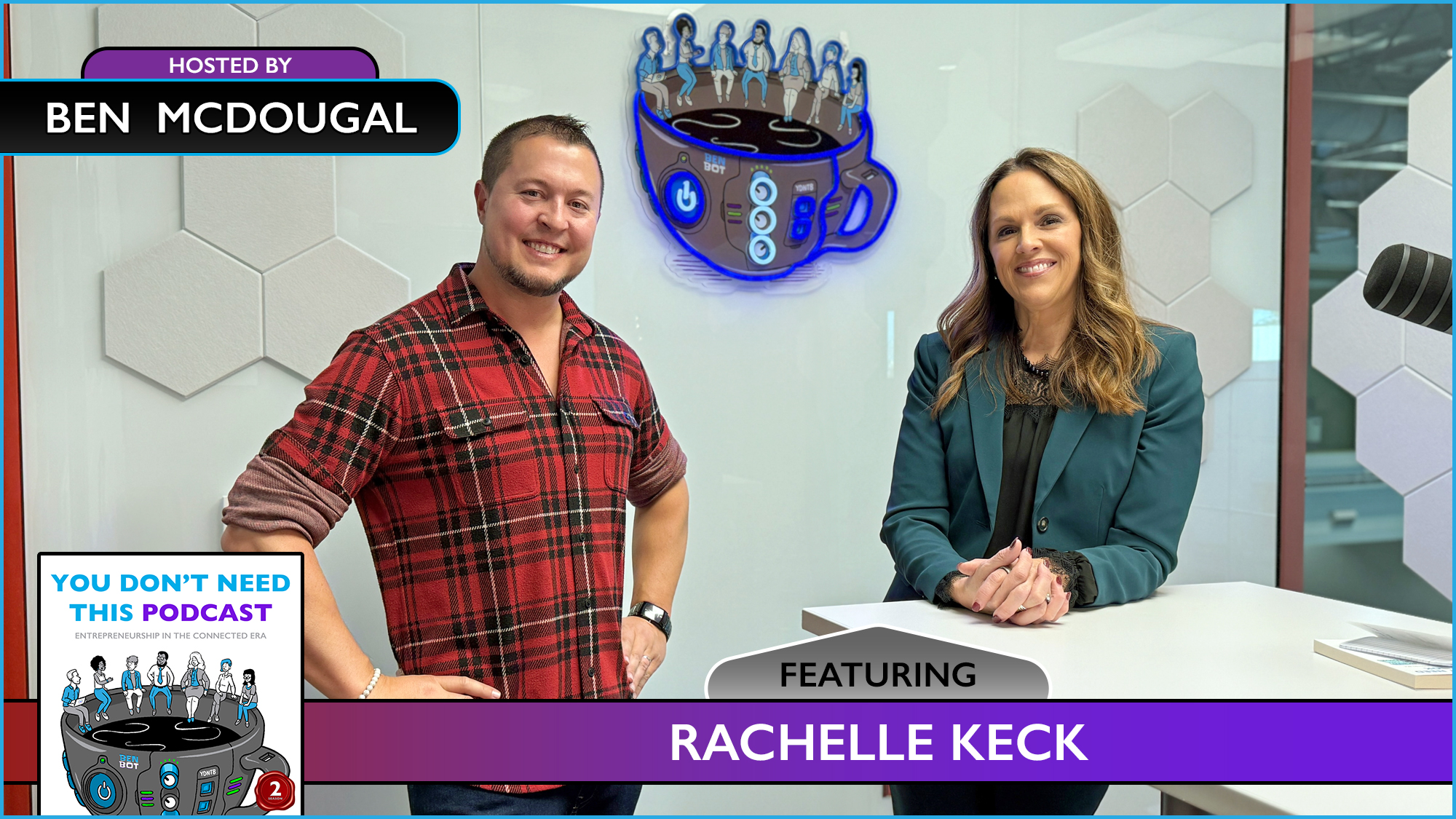
Rachelle Keck is the 14th president of Grand View University. Students join us in-studio as we discuss the energy of leadership. We also talk about writing a book and how to leverage an adapttitude, which is an attitude that fosters an aptitude for adaptation.

After an extended break that celebrates Playforce Principles and Seth Godin’s Real Skills, we navigate the ROI of higher education, cosmic curiosity, and what’s worth sacrificing to achieve progress. We close with a viking story from Rachelle, on how she burnt the ship by selling her law practice to pursue more grand adventures.

LISTEN on APPLE PODCASTS
LISTEN on SPOTIFY

BONUS MATERIALS

https://Wikipedia.org/wiki/Rachelle_Keck

https://Grandview.edu/about/about-gv/president

https://x.com/rachellekeck

https://linkedin.com/in/rachellekeck

http://Adapttitude.YouDontNeedThisPodcast.com

Roasted Reflections Break: Playforce Principles

EP9 – Future of Work 🎙️ Nancy Mwirotsi

EP31 – What is School For? 🎙️ Russ Goerend

http://YouDontNeedThisPodcast.com

Roasted Reflections on Discord

http://BENBOT.ai

By Ben McDougal, ago

Making Moves

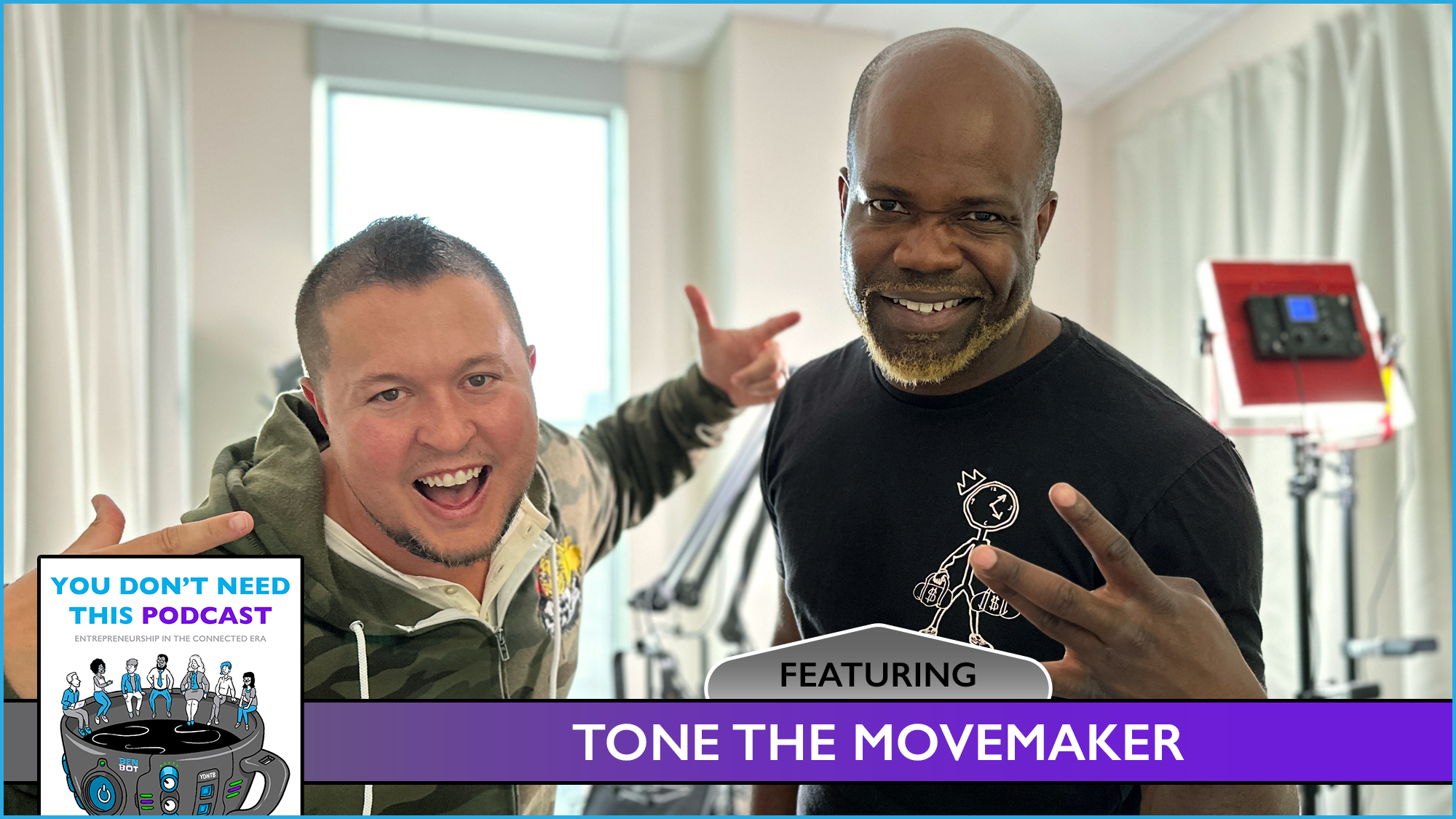
Antonio Roddy, aka Tone the Movemaker, was born original and is making moves to stay that way. This is an entertaining episode that celebrates lasting initiative. Along with fresh fashion from Designed by the Streets, Tone, Dao, and the team keep turning knobs to stay ahead of the innovation curve. Together, we scratch through origin stories, his creative approach to leveling up, and how mentoring keeps us all moving forward.

LISTEN on APPLE PODCASTS
LISTEN on SPOTIFY

By Ben McDougal, ago